

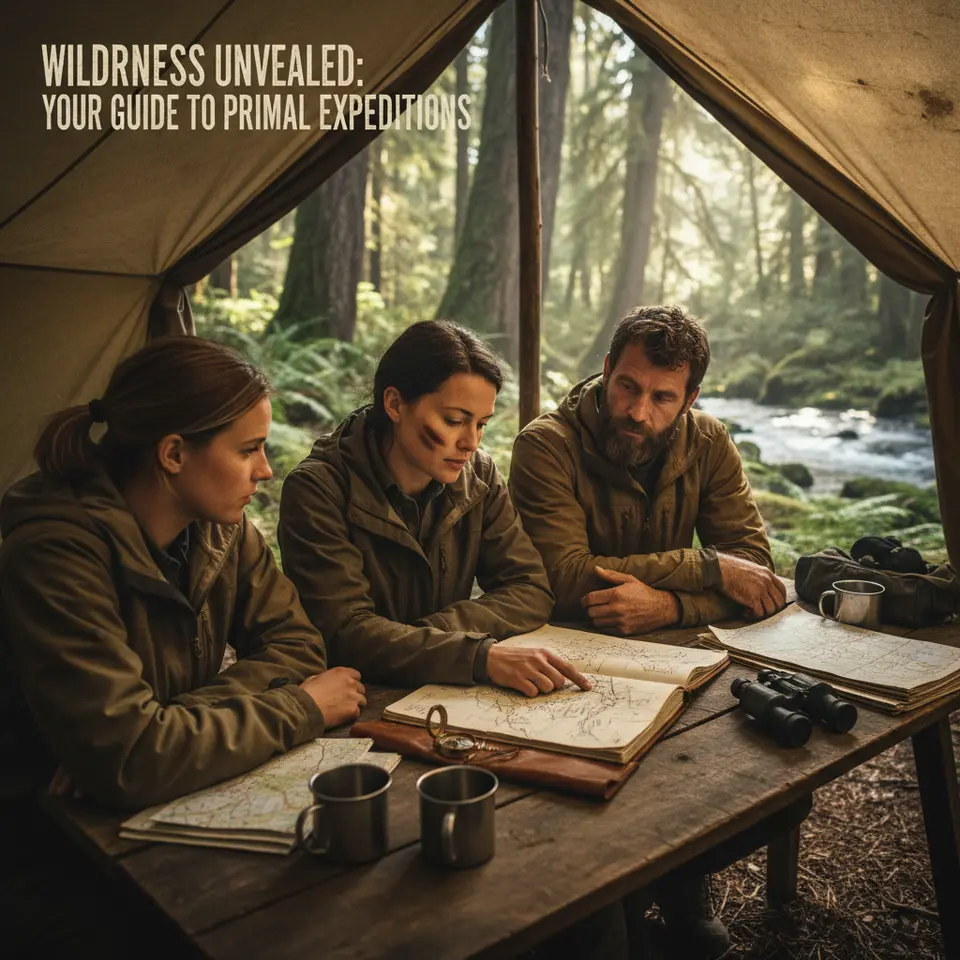
Wilderness Unveiled is a complete guide to wild travel, covering planning, safety, gear selection, and responsible exploration for unforgettable adventures in remote natural environments worldwide.
In today’s fast-paced world, few pursuits rival the exhilaration of setting off on a wild travel adventure. There is an undeniable allure in trading city streets for mountain passes, urban skylines for starlit canopies, and daily routines for the hum of a river through an ancient forest. As nature enthusiasts and explorers seek ever more remote corners of our planet, careful planning, responsible practices, and top-quality gear become the foundation of a safe, unforgettable journey. In this guide, you will uncover essential strategies for researching your route, selecting the right equipment, discovering untapped wilderness destinations, ensuring personal safety, and protecting the environments you visit. Whether you’re charting your first backcountry trek or adding a new challenge to your exploration résumé, this year (2026) offers endless possibilities. Prepare to answer the call of the wild travel lifestyle, embrace meaningful connections with the earth, and forge memories that last a lifetime.
Planning Your Wilderness Journey
Every successful wild travel expedition begins long before you lace up your boots or pitch a tent. Research stands at the core: scrutinize topographic maps, climate data, and permit requirements for your chosen region. Governmental resources such as the U.S. Geological Survey provide detailed terrain information, while the National Park Service offers trail conditions and backcountry rules. In today’s digital landscape, forums and social media groups also deliver firsthand accounts of seasonal hazards, wildlife sightings, and campsite availability.
Research and Permits
Start by contacting local ranger stations or park authorities to secure permits and learn about restrictions. Some protected areas limit daily visitor numbers to preserve fragile ecosystems. Download official digital brochures, but always carry printed topographic charts and a reliable compass as backups. In remote regions without cellular coverage, consider renting or purchasing a satellite messenger to transmit your itinerary to emergency contacts.
Navigation Essentials
Modern GPS devices are invaluable, yet electronic failure can occur. Learn to interpret contour lines and understand map symbols. Practice basic orienteering skills in familiar terrain before venturing deep into the backcountry. Identify water sources, elevation gains, and tricky river crossings on your map. Building a mental 3D picture of the landscape sharpens situational awareness and reduces stress when you encounter unexpected obstacles.
Timeline and Contingencies
Create a realistic schedule that incorporates daily mileage goals, altitude acclimatization days, and buffer time for weather delays. Factor in rest days to recover strength and morale. Pack extra fuel, food, and an emergency bivouac shelter in case storms roll in suddenly. This flexible framework enhances safety and allows you to immerse fully in the wild travel experience without succumbing to rushed or hazardous decisions.
Essential Equipment and Packing Strategies
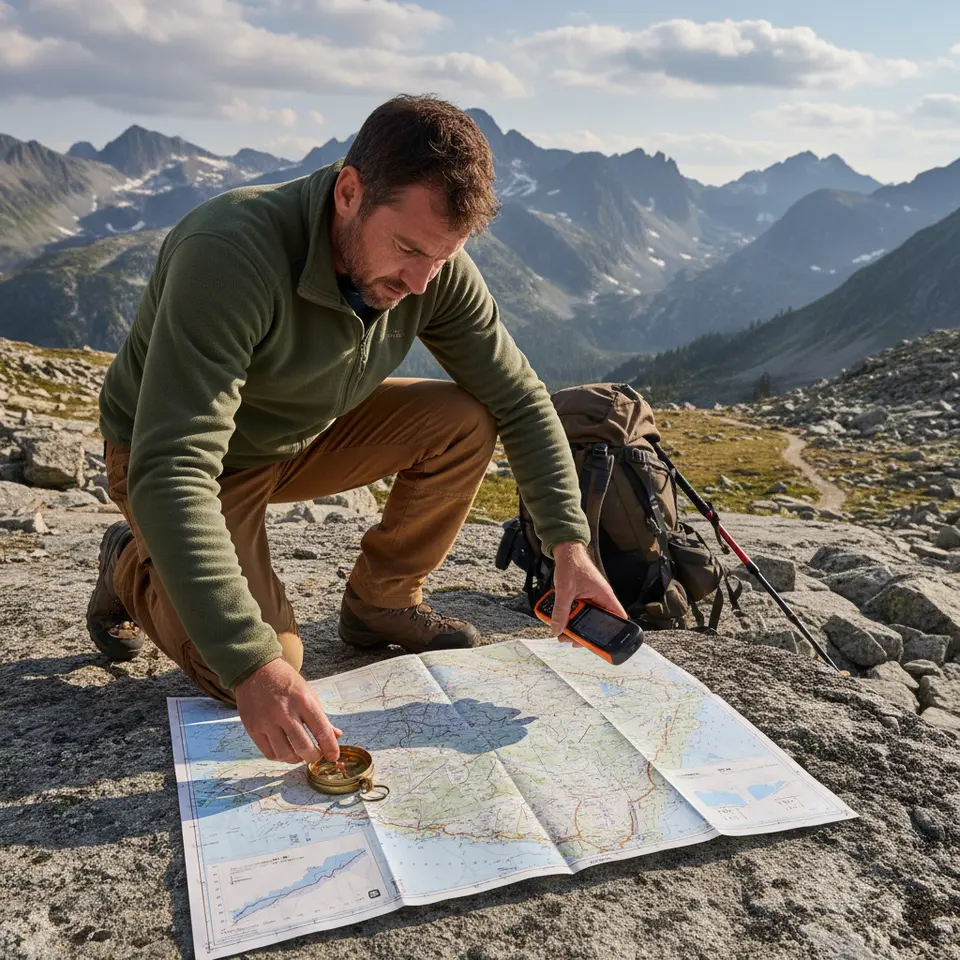
Success in wild travel hinges on selecting gear that balances lightweight efficiency with dependability. Every ounce matters when you’re carrying supplies for days or weeks on the trail, yet cutting corners on critical items can jeopardize safety and comfort.
Backpack and Shelter
Choose a backpack with a capacity suited to your trip length generally 40–60 liters for multi-day jaunts. Look for ergonomic designs with adjustable hip belts, ventilated back panels, and reinforced stitching. For overnight stays, a four-season tent or minimalist bevy sack constructed from durable, weather-resistant materials will serve you well under variable conditions.
Clothing and Footwear
Layering is key. Pack moisture-wicking base layers, an insulating mid-layer (down or synthetic), and a waterproof outer shell. All-terrain hiking boots with robust ankle support and sticky rubber soles minimize the risk of slips and sprains on uneven ground; be sure to break them in ahead of departure. Lightweight camp shoes or sandals provide relief for your feet after long days of trekking.
Nutrition and Hydration
Fuel your body with high-calorie, nutrient-dense foods. Dehydrated meals and freeze-dried entrees reduce weight, while trail snacks nuts, jerky, energy bars offer quick energy boosts. Carry a reliable water filtration system and purification tablets to treat stream or lake water. Staying properly hydrated is crucial in preventing altitude sickness, heat exhaustion, and fatigue.
Safety Tools and First Aid
A comprehensive first-aid kit should include blister care supplies, adhesive bandages, antiseptic wipes, pain relievers, and any personal medications. Complement it with a multi-tool, headlamp with spare batteries, fire-starting materials, and a whistle. Store heavy gear close to your spine and frequently used items in easily accessible pockets for efficient setup and breakdown.
Discovering the Planet’s Untouched Frontiers
For those drawn to remote landscapes, the world offers a tapestry of pristine environments waiting to be explored. Each destination carries unique challenges and rewards, from the vast silence of icy tundra’s to the dense hum of tropical jungles.
Siberian Taiga, Russia
Stretching across millions of acres, Siberia’s boreal forests host ancient pines, frosted rivers, and unparalleled solitude. In winter, cross-country skiing aficionados traverse glimmering expanses, while summer brings a riot of wildflowers and migratory birds.
Patagonia’s Southern Ice Fields, Chile & Argentina
Home to colossal glaciers and wind-carved peaks, this rugged frontier challenges even experienced trekkers. Multi-day routes in Torres del Paine National Park reward Advice for First Time Solo Travelers with panoramic views of turquoise lakes and granite spires.
Borneo’s Interior Rainforests, Malaysia & Indonesia
Navigate labyrinthine waterways in dugout canoes, hike through mist-laden cloud forests, and camp beneath a chorus of gibbons at dawn. Wildlife sightings can include orangutans, pygmy elephants, and rare amphibian species.
Scottish Highlands, United Kingdom
Beyond historic castles and scenic lochs lie heather-draped hills, hidden glens, and thundering waterfalls. Long-distance trails such as the West Highland Way and the Cape Wrath Trail test stamina and reward perseverance.
Namib Desert Dunes, Namibia
Witness sunrise paint massive rust-colored dunes in surreal hues. The vast openness, minimal vegetation, and clear night skies make this one of the oldest and most striking deserts on Earth.
Prioritizing Safety and Wildlife Etiquette
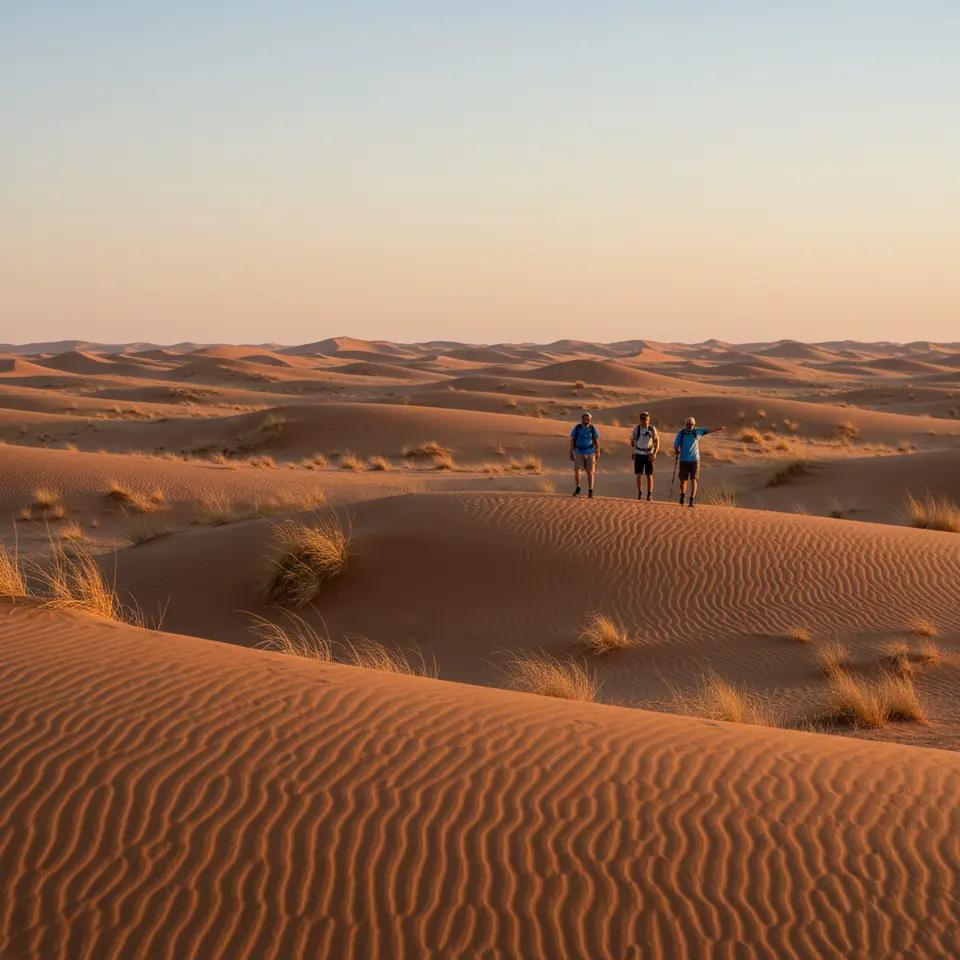
Staying safe and respecting local fauna are non-negotiable tenets of responsible wild travel. A well-informed approach preserves both human lives and wildlife habitats.
Health and Emergency Preparedness
Recognize early signs of hypothermia, heat exhaustion, and altitude sickness. Hike with a companion when possible and carry a personal locator beacon for SOS transmissions in life-threatening situations. Establish regular check-in times with trusted contacts and share your revised itinerary if conditions force detours.
Animal Encounter Protocols
Maintain respectful distances when observing wildlife. In bear country, carry and know how to deploy bear spray; in savanna regions, remain inside vehicles during game drives. Never feed or approach wild animals human food can disrupt feeding patterns and endanger both humans and creatures. Store scents and food in approved containers to prevent unwanted visits to your campsite.
Embracing Sustainable Practices
Protecting the wild spaces you explore ensures they remain vibrant for generations to come. Small actions yield significant impact when multiplied across the global community of adventurers.
Minimal Impact Camping
Follow Leave No Trace principles: travel on durable surfaces, camp at least 200 feet from water sources, and pack out all waste, including biodegradable scraps. Avoid creating new fire rings; use existing structures or portable stoves to minimize scarring on rocks and soil.
Supporting Local Communities
Hire guides from indigenous or rural communities, purchase locally made goods, and respect cultural customs. Responsible spending helps sustain livelihoods and funds conservation programs that protect the very landscapes you cherish.
Conservation Partnerships
Participate in citizen science initiatives, trail maintenance days, or volunteer projects with reputable organizations. Collaborating with research institutions and government agencies amplifies your positive footprint and advances knowledge of delicate ecosystems.
Conclusion
Wild travel transcends the ordinary, opening pathways to raw beauty and self-discovery. By integrating thorough preparation, reliable gear, safety protocols, and sustainable ethics, you transform every trek into a tribute to nature’s grandeur. Today, the call of remote forests, windswept deserts, and ice-clad summits beckons. Embrace the challenge, tread lightly, and forge meaningful connections with the wild. Your next chapter in this year (2026) begins beyond the edge of the familiar answer the call and embark on the adventure of a lifetime.
Frequently Asked Questions (FAQ)
What is Wilderness Unveiled about?
Wilderness Unveiled is a guide that helps travelers plan safe, responsible, and exciting wild travel expeditions in remote natural environments.
Who should read Wilderness Unveiled?
It is ideal for hikers, trekkers, backpackers, and anyone interested in exploring nature and wilderness areas.
What does Wilderness Unveiled focus on?
It focuses on planning trips, selecting gear, safety measures, and sustainable travel practices.
Is Wilderness Unveiled suitable for beginners?
Yes, it includes basic to advanced tips, making it useful for both beginners and experienced explorers.
What kind of destinations are covered in Wilderness Unveiled?
It covers forests, deserts, mountains, glaciers, and remote global wilderness regions.
Does Wilderness Unveiled include safety tips?
Yes, it provides detailed safety guidance including wildlife encounters and emergency preparedness.
Why is planning important in Wilderness Unveiled?
Proper planning ensures safety, route clarity, and a smooth wilderness travel experience.
What gear is recommended in Wilderness Unveiled?
It suggests backpacks, tents, layered clothing, navigation tools, and survival essentials.
Does Wilderness Unveiled promote eco-friendly travel?
Yes, it emphasizes Leave No Trace principles and sustainable outdoor practices.
Why is Wilderness Unveiled useful for travelers?
It helps travelers explore nature safely while respecting environments and local ecosystems.




Leave a Reply