

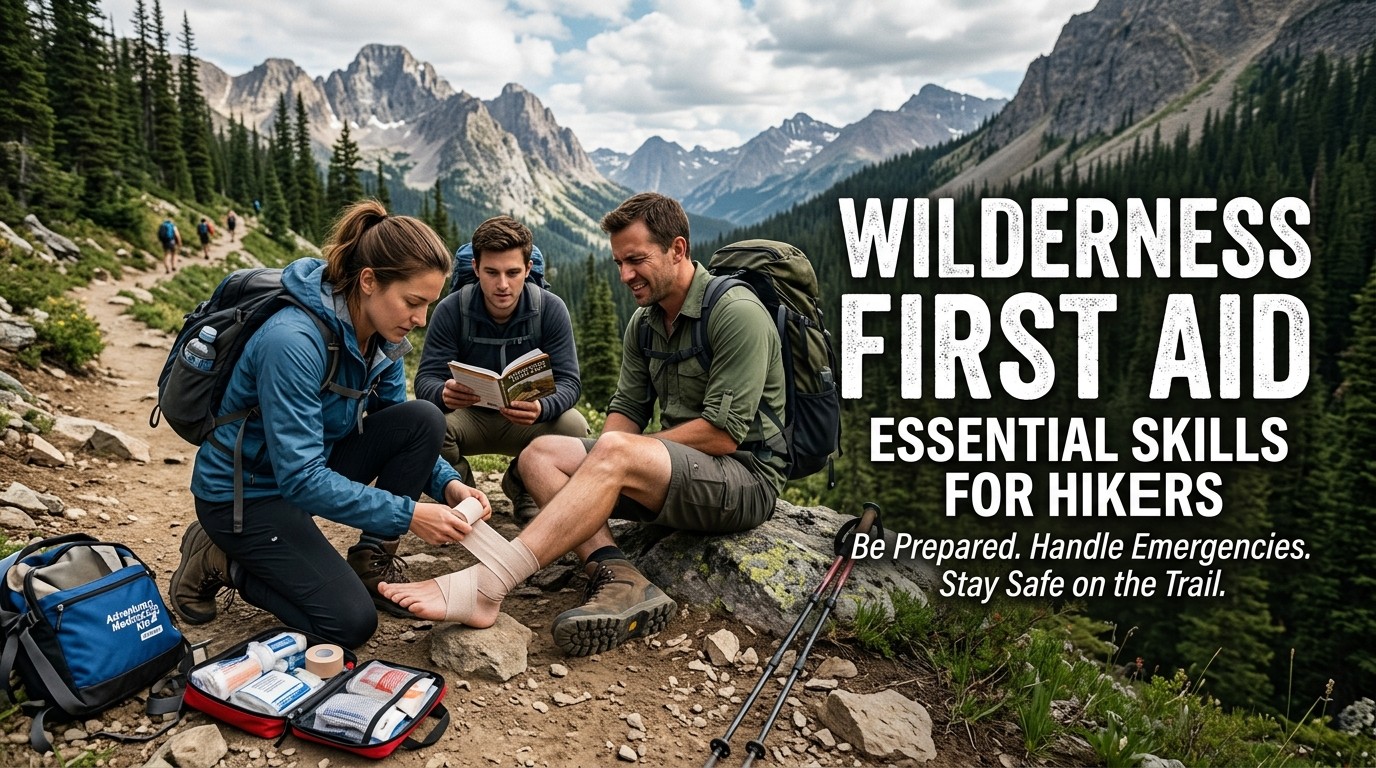
Wilderness First Aid helps hikers stay calm, act quickly, and make smart decisions during injuries, weather changes, and remote emergencies.
Wilderness First Aid is not about becoming a doctor in the mountains. It is about making smart, calm choices when professional help is far away. On a trail, a small mistake can become a bigger problem if it is ignored, misunderstood, or handled with panic. Hikers who learn the basics are usually better at protecting themselves and the people around them.
Wilderness First Aid matters because the outdoors changes the rules. In towns and cities, help can arrive quickly. In remote places, that help may take hours. A blister can affect movement, dehydration can cloud judgment, and a twisted ankle can end a trip if the response is poor. Learning the basics before you head out is one of the most practical safety choices a hiker can make.
The value of Wilderness First Aid becomes clearer when you think about time, distance, and weather. A trailhead may look close on a map, but weather, terrain, darkness, and poor phone signal can make a rescue much harder than expected. That is why trail safety begins long before an injury happens. The goal is not fear. The goal is readiness.
Understanding the wilderness mindset
Wilderness First Aid is built on a simple idea: stay safe, assess first, and act with purpose. Panic wastes time and clouds thinking. A prepared hiker understands that the first step in any emergency is to stop, look, listen, and evaluate the scene. This mindset reduces bad decisions and helps preserve energy.
In the backcountry, you often need to become your own first responder. Wilderness First Aid teaches hikers to notice small signs before they become major problems. A tired companion who is moving slowly may be dehydrated. A cold hiker may be heading toward hypothermia. A confused hiker may need food, warmth, rest, and close attention. Quick observation saves time later.
One of the strongest habits in Wilderness First Aid is scene safety. Before helping anyone, check for hazards such as falling rocks, unstable ground, storms, wildlife, traffic, water, or electrical danger. Helping someone is important, but becoming a second victim helps no one. Safe response starts with safe judgment.
The first things to do in an emergency
Wilderness First Aid begins with a clear order of operations. First, make sure the scene is safe. Second, check responsiveness. Third, assess breathing and obvious life threats. Fourth, decide whether the person can move, rest, or needs urgent evacuation. This simple sequence keeps the situation from becoming chaotic.
When hikers forget this order, they often jump straight into treatment without understanding the full problem. Wilderness First Aid prevents that mistake by slowing the moment down just enough to let logic work. A calm leader can make better choices than a frightened one. Even a few seconds of focus can change the outcome.
A helpful habit is to assign roles when other people are present. One person can monitor the injured hiker, another can gather gear, and another can prepare for navigation or communication. Wilderness First Aid becomes easier when the group works as a team instead of everyone speaking at once.
Building a practical first aid kit
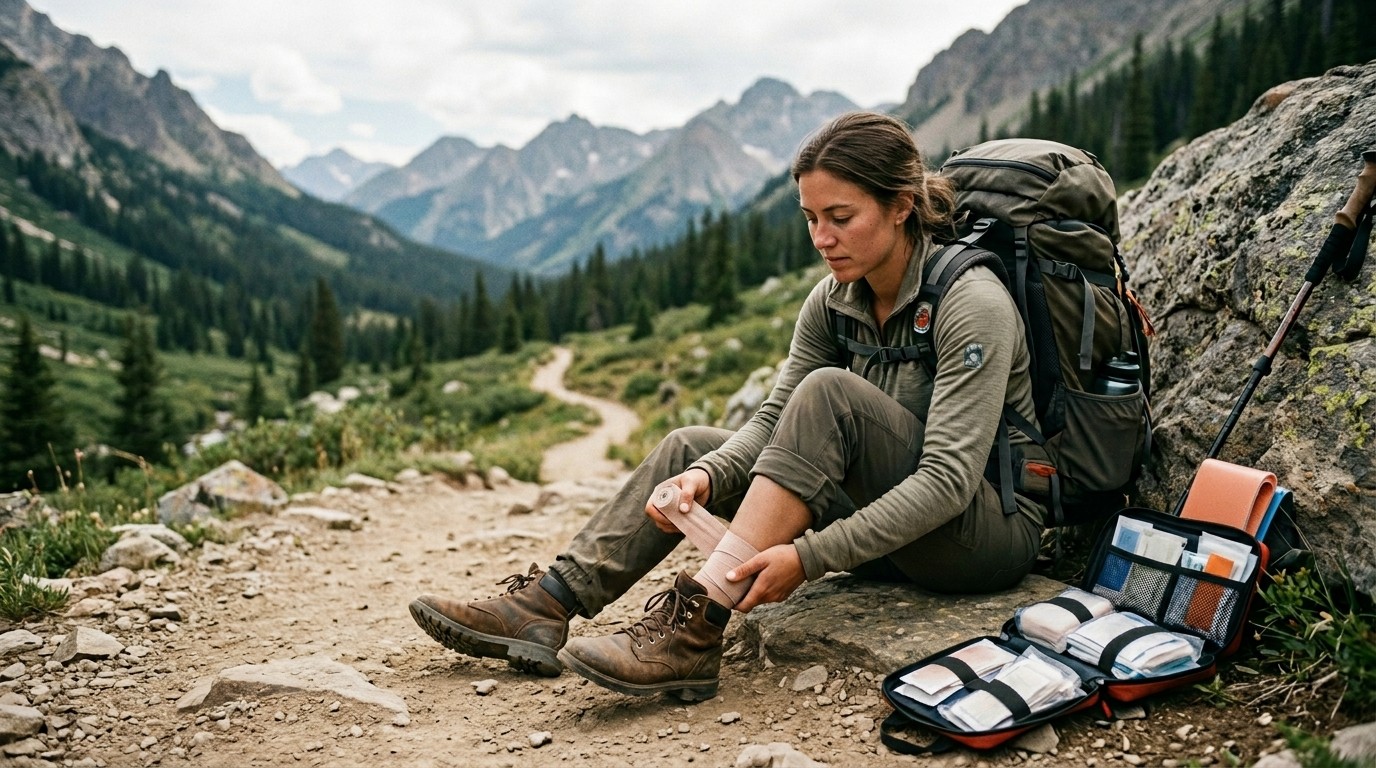
A good hiking kit supports Wilderness First Aid by giving you the tools to handle common problems before they get worse. It should include adhesive bandages, gauze, tape, antiseptic wipes, blister care, gloves, pain relief if appropriate, a triangular bandage, a splinting material, and any personal medications. A compact kit can still be powerful if it is organized well.
Packing a kit is not enough. You also need to know how each item is used. Wilderness First Aid works best when hikers practice with their supplies before the trip. A bandage that you have never opened will feel harder to use under stress. Familiarity reduces confusion and saves time.
It is smart to tailor the kit to the trip. Longer routes, colder weather, and technical terrain may require additional items such as emergency blankets, extra tape, wound care, or foot protection. Wilderness First Aid is not a one-size-fits-all system. The kit should match the environment, duration, and risk level of the hike.
The value of communication before the hike
Wilderness First Aid is easier when your trip plan is clear. Share your route, expected return time, vehicle details, and emergency contact information before you leave. If something goes wrong, a simple plan makes it easier for others to understand where to look and what to expect.
Tell someone reliable where you are going and when you plan to check in. Wilderness First Aid includes preparation before the injury ever happens. If a group is delayed, a contact person can help decide whether the delay is normal or concerning. Communication is one of the most underrated safety tools a hiker can use.
It also helps to review the abilities of everyone in the group. A strong plan accounts for fitness, experience, weather tolerance, and medical needs. Wilderness First Aid works better when the hike is chosen to fit the people on it rather than forcing the people to fit the hike.
Common trail injuries hikers should know
Wilderness First Aid often deals with injuries that sound minor at first but can become serious in the field. Blisters, sprains, cuts, burns, dehydration, and exhaustion are among the most common issues. Each one can affect mobility and decision-making if it is ignored too long.
A blister may seem small, but it can change your gait and lead to other injuries. Wilderness First Aid teaches hikers to protect the skin early with clean, dry care and proper foot management. Prevention is easier than treatment, especially on long hikes.
Sprains are another frequent problem. A twisted ankle can make walking difficult and risky. Wilderness First Aid for sprains usually focuses on rest, support, elevation when possible, and careful evaluation of whether the person can continue. Not every injury requires dramatic action, but every injury deserves attention.
Cuts and scrapes can become serious if dirt and bacteria enter the wound. Wilderness First Aid helps hikers clean, cover, and monitor injuries so infection risk stays lower. A small wound in the backcountry is not the same as a small wound at home. Environment changes the stakes.
Bleeding control and wound care
Wilderness First Aid includes knowing how to handle bleeding without wasting time. The first step is direct pressure with a clean dressing or cloth. If bleeding continues, pressure should stay firm and steady while you evaluate the seriousness of the injury. Fast thinking matters, but steady pressure matters more.
Once bleeding is under control, Wilderness First Aid shifts to cleaning and covering the wound as best as the situation allows. Clean water, gauze, and adhesive dressings can help reduce contamination. The goal is not perfect treatment in the field. The goal is to stabilize the problem and prevent things from worsening.
It is important to watch for signs that the wound may need professional care. Deep cuts, uncontrolled bleeding, loss of feeling, or severe contamination may require evacuation. Wilderness First Aid helps hikers recognize when self-management is no longer enough and outside care is needed.
Splinting and protecting movement
Wilderness First Aid often requires stabilizing an injury so the person can move more safely. A splint can support a broken or sprained limb and reduce pain during evacuation. Even simple materials such as trekking poles, foam, bandages, or clothing can sometimes be used creatively.
The purpose of splinting is not to force the body into perfect alignment. Wilderness First Aid focuses on comfort, safety, and preventing more damage. A splint should support the injured area above and below the problem when practical. It should also be checked for circulation, sensation, and tightness after application.
Hikers should remember that a person with a possible fracture or serious sprain should not be pushed to “walk it off.” Wilderness First Aid teaches restraint. Moving too much can worsen the injury, increase pain, and make evacuation harder later. Stability is often the better choice.
Cold, heat, and weather risks
Wilderness First Aid is essential because weather can change quickly and turn a manageable hike into a dangerous situation. Cold exposure can lead to shivering, confusion, clumsiness, and eventually hypothermia. The body loses heat faster when it is wet, windy, or tired. Recognizing the early signs is critical.
Heat can be just as dangerous. Exhaustion, nausea, headache, weakness, and dizziness may signal heat stress or heat stroke. Wilderness First Aid teaches hikers to cool down early, hydrate, rest, and avoid pushing through symptoms. Ignoring heat illness can lead to severe trouble very quickly.
Weather also affects judgment. When people are cold, tired, or overheated, they make worse decisions. Wilderness First Aid encourages hikers to treat environmental stress as a medical issue, not just an inconvenience. Weather is part of health in the backcountry.
Hydration, food, and energy management
Wilderness First Aid is closely linked to hydration and nutrition because the body needs fuel to stay sharp. A tired, underfed, or dehydrated hiker is more vulnerable to injury and confusion. Energy is not just about comfort. It is about safety.
Dehydration can cause headaches, weakness, poor coordination, and irritability. Wilderness First Aid often begins with simple fixes like rest, water, and a calm pace. If a person is starting to fade, early intervention is better than waiting until they collapse. Prevention is easier than recovery.
Food matters too. A small snack can restore energy, improve mood, and help decision-making. Wilderness First Aid teaches hikers to think ahead and avoid the “I will eat later” habit. In the outdoors, delayed fuel can become delayed judgment.
Navigation problems and getting lost
Wilderness First Aid also supports decision-making when people become disoriented. Getting lost is not always a dramatic event. Sometimes it starts with a wrong turn, fading daylight, or a moment of confusion. A calm mind and a clear plan prevent a small mistake from becoming a major crisis.
If a group is uncertain, stopping to reassess is often wiser than continuing blindly. Wilderness First Aid encourages hikers to pause, observe, consult maps or devices, and avoid separating unless necessary. Panic makes people move faster in the wrong direction.
It helps to carry a map, compass, and charged navigation device, but tools are only useful if you know how to use them. Wilderness First Aid includes mental readiness. Knowing when to stop, retrace, and re-evaluate can be just as important as knowing how to bandage a wound.
Group dynamics and decision-making

Wilderness First Aid is not only about physical injuries. It is also about how people behave under pressure. Groups can become tense, argumentative, or overly confident when something goes wrong. Strong leadership keeps the group focused on facts rather than fear.
A good group response depends on clarity. Someone should take responsibility for assessing the situation, another for communication, and another for logistics. Wilderness First Aid works best when everyone knows the plan and the plan stays simple. A crowded conversation can create confusion during an emergency.
It is also wise to respect the limits of the slowest person in the group. Wilderness First Aid becomes much more effective when the trip is paced responsibly. Overexertion, impatience, and pressure to keep moving can turn manageable discomfort into a real emergency.
When to continue and when to evacuate
Wilderness First Aid includes knowing when to stop the hike. Some problems can be managed on trail, but others require a safe exit. Severe bleeding, suspected fracture, worsening confusion, inability to walk, chest pain, breathing trouble, or signs of shock are all reasons to take the situation seriously.
Deciding to evacuate does not mean failure. Wilderness First Aid values judgment over pride. If continuing puts the injured person or the group at greater risk, turning back or calling for help is the smarter choice. The best outdoor decisions are often the least dramatic.
To make evacuation easier, hikers should know their location, the nearest exit points, and how long it may take to reach them. Wilderness First Aid is stronger when trip planning already accounts for what happens if things do not go as expected.
The importance of practice
Wilderness First Aid becomes useful through repetition. Reading about emergency care is helpful, but practice builds confidence. Hikers should practice wrapping a wound, building a makeshift splint, using a blanket for warmth, and speaking clearly under pressure. Those skills matter when stress is high.
A simple training session with friends can reveal gaps in preparation. Wilderness First Aid improves when hikers test their gear, review their route, and rehearse what to do in common scenarios. Practice reduces fear because it turns unknown situations into familiar ones.
Even brief refreshers help. The outdoors rewards people who remember the basics when it counts. Wilderness First Aid is not about memorizing every medical detail. It is about having enough skill to stabilize, assess, and act sensibly.
Connecting safety to adventure
Wilderness First Aid supports adventure rather than limiting it. Many hikers feel more confident exploring remote places when they know they have prepared properly. Preparedness creates freedom. The more capable you feel, the more fully you can enjoy the trail.
That is one reason the Benefits of Solo Travel often appeal to outdoor lovers. Traveling alone can strengthen confidence, awareness, and adaptability, but it also demands careful planning. In a hiking context, those lessons become even more important because there may be no one nearby to help immediately.
A Solo Travel Creative Culture Tribe Guide can be inspiring for people who enjoy independence and shared discovery, yet wilderness safety still needs structure. Community, adventure, and independence are best when they are paired with practical knowledge. Knowing how to respond in the field protects the freedom to keep exploring.
Planning for emergencies before they happen
Wilderness First Aid is strongest when it is part of trip planning, not just a reaction to trouble. Check weather, route length, water availability, terrain difficulty, and escape options before leaving. A strong plan reduces surprises and helps you respond more calmly if something goes wrong.
Carry extra layers, a light source, and enough food for delays. Wilderness First Aid is easier when you are not already depleted. Small backups often make the biggest difference in remote settings. An extra jacket or snack can buy time and clarity.
It is also smart to consider insurance and rescue costs where relevant. Adventure Travel Insurance can be helpful for people who travel to remote locations or join more challenging hikes. It does not replace judgment, but it can add a layer of protection for unexpected situations.
Using simple tools wisely
Wilderness First Aid does not require a huge amount of equipment, but the tools you carry should be chosen with intention. A whistle can signal for help. A headlamp helps after sunset. Gloves protect both the hiker and the helper. Tape, bandages, and a light splinting option can address many common trail problems.
The best tools are the ones you can reach quickly. Wilderness First Aid is more effective when gear is organized and accessible. In an emergency, nobody wants to dig through a packed bag looking for one important item. Simplicity and order save time.
Gear should be matched to the type of hike. Short day hikes, overnight treks, and long wilderness trips may each need different levels of preparation. Wilderness First Aid becomes more practical when the gear reflects the real conditions you are likely to face.
Mental readiness and calm thinking
Wilderness First Aid is as much mental as it is physical. A calm hiker can observe more clearly, communicate more effectively, and make better decisions. Anxiety can be managed by following a simple process: assess, stabilize, communicate, and choose the safest next step.
The outdoors often rewards patience. Wilderness First Aid teaches that not every problem should be rushed. Some situations need immediate attention, while others need careful observation first. Slowing down can prevent mistakes.
Mental readiness also means accepting uncertainty. A hiker may not know exactly what will happen next, but they can still act in a useful way. Wilderness First Aid helps turn uncertainty into action by giving structure to the moment.
Building a trail safety culture
Wilderness First Aid becomes stronger when hiking groups value safety openly. When people discuss risk, preparedness, and emergency response before the trip, they are more likely to stay calm during the hike. Good habits spread through example.
This culture includes checking on one another, respecting limits, and speaking up early when something feels wrong. Wilderness First Aid is not only an individual skill. It is a group mindset that makes everyone safer. A supportive group notices issues sooner and responds better.
Trail culture also improves when experienced hikers model good habits. New hikers learn a lot by watching how veterans carry gear, communicate, and respond to small problems. Wilderness First Aid becomes part of the group’s normal behavior instead of an afterthought.
What beginners should focus on first
Wilderness First Aid can seem overwhelming at first, but beginners do not need to learn everything at once. Start with the basics: scene safety, assessment, bleeding control, sprain care, hydration, and evacuation judgment. These skills cover many common trail issues.
Beginners should also learn how to use their first aid kit and navigation tools. Wilderness First Aid is most helpful when the hiker can actually apply the skills they have learned. Confidence grows through repetition, not perfection.
Most of all, beginners should understand that preparation is a form of care. Wilderness First Aid is not about expecting disaster. It is about respecting the outdoors enough to be ready for it.
Practical trail habits that reduce risk
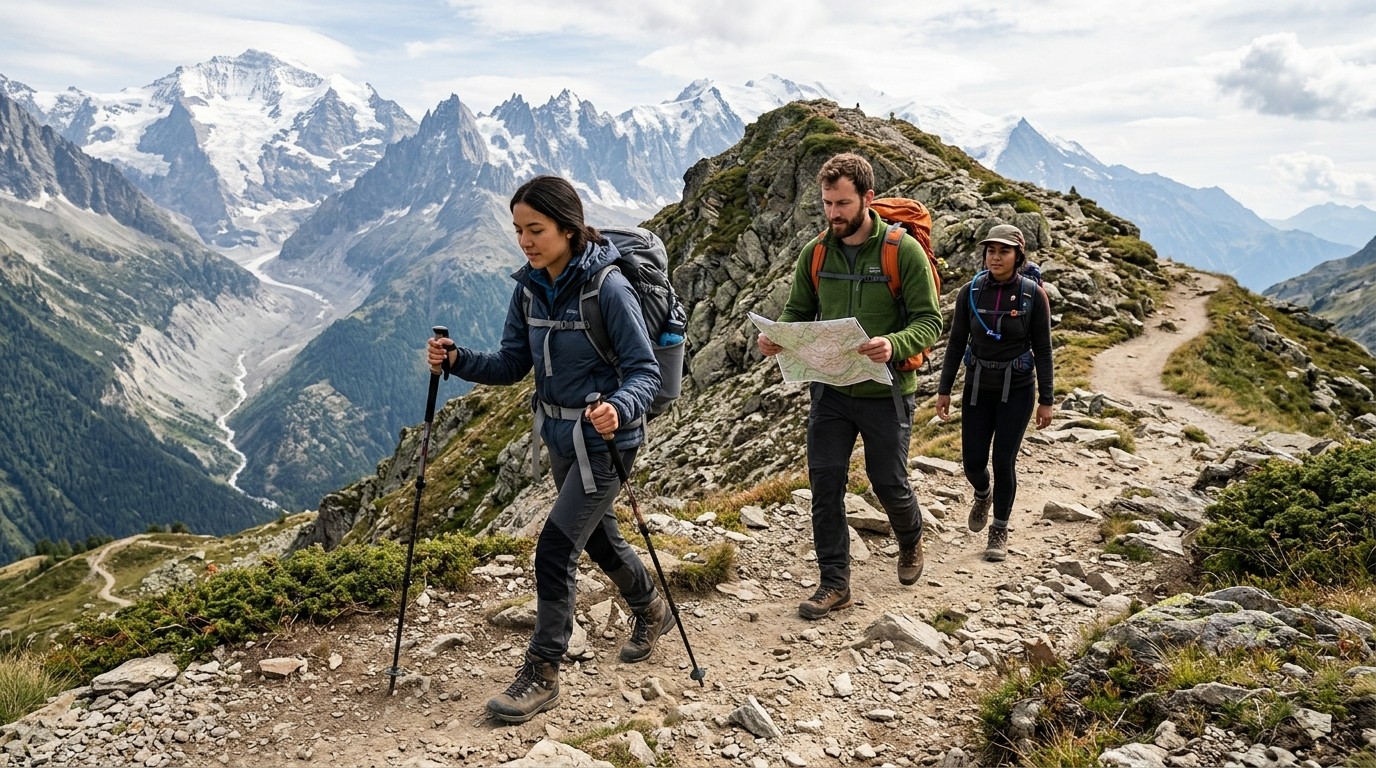
The Ultimate Wild Travel Guide mindset can help hikers think through remote routes, exit points, and backup plans before leaving.
Wilderness First Aid becomes easier when hikers build safe habits into every outing. Start early so you are not rushed by darkness. Check the weather before departure. Carry more water than you think you need. Wear appropriate footwear. Keep snacks accessible. These habits reduce the chance of common problems.
It is also wise to pace yourself. Many hiking injuries and emergencies begin with fatigue. Wilderness First Aid works best when the hiker avoids exhaustion in the first place. Conservative choices on the front end often prevent emergency decisions later.
Another helpful habit is to stop and check in regularly. Ask how everyone feels, whether anyone is cold or thirsty, and whether the pace still makes sense. Wilderness First Aid is supported by awareness, and awareness is strongest when it is repeated through the trip.
Final thoughts on outdoor readiness
Wilderness First Aid is not only for remote expeditions or survival enthusiasts. It is for anyone who spends time on trails, in forests, on mountains, or in places where help may be delayed. Even a short hike can become complicated if someone slips, falls, or becomes sick.
The more hikers understand the basics, the more confident and capable they become. Wilderness First Aid turns uncertainty into a manageable process. It helps people stay calmer, think clearly, and protect the people they are traveling with. That confidence does not remove the risks of the outdoors, but it does make those risks more manageable.
When preparation, awareness, and simple medical skills come together, the trail becomes safer and more enjoyable. Wilderness First Aid gives hikers the ability to respond well when life in the wild does not go according to plan. That is one of the most valuable skills any outdoor traveler can carry.
Conclusion
Wilderness First Aid gives hikers the knowledge and confidence to respond wisely when the trail becomes unpredictable. It helps people assess injuries, manage common problems, and decide when to keep going or when to evacuate. The outdoors is rewarding, but it also demands respect. Prepared hikers stay calmer, think more clearly, and protect themselves and their groups better. By learning the basics, practicing the skills, and packing the right gear, hikers can reduce risk without reducing adventure. In the end, Wilderness First Aid is not just about emergency care. It is about making outdoor experiences safer, smarter, and more enjoyable from start to finish.
Frequently Asked Questions (FAQ)
1. What is Wilderness First Aid?
Wilderness First Aid is basic medical and safety care used when professional help is delayed in remote outdoor environments.
2. Why do hikers need Wilderness First Aid?
Hikers need Wilderness First Aid because trail injuries can become serious when help is far away and conditions are unpredictable.
3. What should be in a hiking first aid kit?
A hiking kit should include bandages, gauze, tape, antiseptic, blister care, gloves, and any personal medications.
4. How does Wilderness First Aid help with sprains?
It helps by focusing on rest, support, careful movement, and deciding whether evacuation is necessary.
5. What is the first thing to do in an emergency?
The first step is to make sure the scene is safe before helping the injured person.
6. Can beginners learn Wilderness First Aid?
Yes. Beginners can learn the basics and use them effectively with practice and preparation.
7. How does weather affect trail safety?
Cold, heat, wind, and wet conditions can all increase risk and make injuries or illness worse.
8. When should a hiker turn back?
A hiker should turn back when an injury, illness, or safety concern makes continuing too risky.
9. Is a regular first aid kit enough for hiking?
A regular kit helps, but hiking often needs extra supplies tailored to the terrain, trip length, and weather.
10. Does Wilderness First Aid replace professional medical care?
No. It is meant to stabilize and manage problems until professional care becomes available.




Leave a Reply