

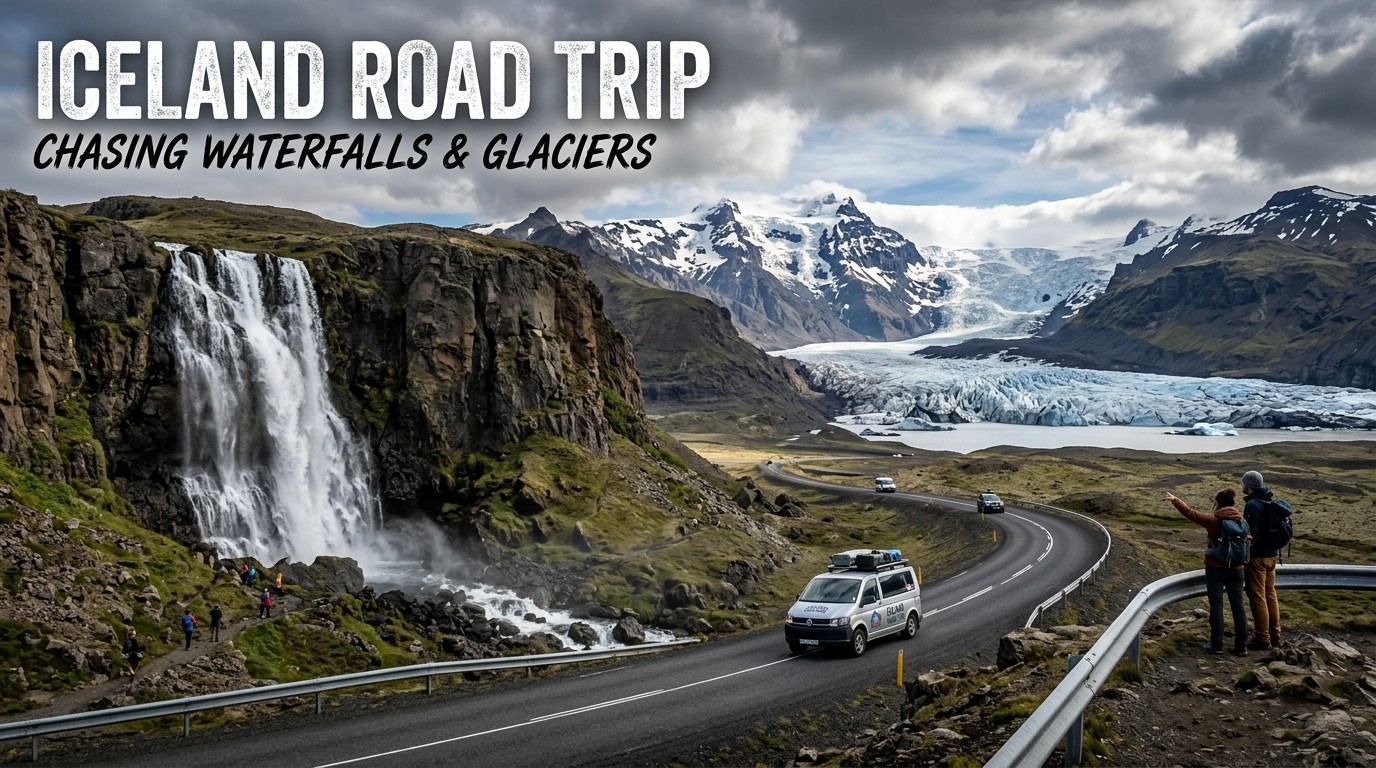
This Iceland Road Trip guide helps beginners plan a safe, scenic, and flexible loop through waterfalls, glaciers, unpredictable weather, and smart decisions that keep the journey calm and memorable.
A well-planned Iceland Road Trip is less about ticking off attractions and more about learning how to move through a country that keeps changing around you. Iceland gives you dramatic contrasts in one day: lava fields, black sand, coastal cliffs, geothermal valleys, and glacier views that can appear and disappear with the light. That is part of the appeal. An Iceland Road Trip rewards travelers who like space, silence, and the feeling that every turn on the road opens a new scene. It also rewards patience, because the island’s beauty is strongest when you allow time to stop, look, and adjust instead of rushing from one landmark to another.
The best part of an Iceland Road Trip is how quickly the road becomes the experience itself. You are not simply driving between sights. You are moving through landscapes that feel cinematic and alive, where weather, wind, and light can change the entire mood in minutes. For beginners, that can sound intimidating. In practice, it becomes freeing. The road gives you rhythm, while the scenery gives you constant surprise. A thoughtful Iceland Road Trip helps you balance both.
What makes Iceland ideal for a road trip
Iceland is unusually well suited to self-drive travel because its most famous natural sights are often connected by paved routes and straightforward regional loops, especially along the Ring Road, which official tourism material describes as a 1,322 km route around the island. An Iceland Road Trip built around that road gives you a clean framework without forcing every day into the same pattern. You can choose a full circuit, focus on the South Coast, or build a shorter loop around one region if your time is limited. The country’s geography makes it easy to see a lot in a relatively compact span, which is one reason so many visitors choose driving over fixed tours. Iceland Road Trip remains a strong choice. The terrain is still wild enough to feel adventurous. That balance matters. An Iceland Road Trip gives beginners structure while still leaving room for discovery. You can wake up in one landscape, drive past a waterfall an hour later, and end the day near glacier country with an entirely different mood. For many travelers, that contrast is what makes the trip feel emotionally larger than the distance traveled. It is not just sightseeing; it is progression.
A smart starting mindset
Before the engine starts, an Iceland Road Trip begins with expectations. People often imagine Iceland as a place where every moment will be dramatic, empty, and perfect. That is a beautiful fantasy, but reality is more useful. The weather can shift quickly, roads can feel different from what you are used to, and some viewpoints deserve extra time instead of a fast photo stop. Official safety guidance for Iceland repeatedly emphasizes that weather and road conditions can change quickly, so planning with flexibility is not optional; it is part of the trip. This is why a thoughtful Iceland Road Trip works best when you think in terms of options rather than rigid promises. Give yourself backup plans, shorter driving days, and enough buffer to change course if the forecast changes. The travelers who enjoy Iceland most are usually the ones who stop treating every delay as a problem. They see it as part of the environment. That mindset makes the trip calmer, safer, and far more memorable.
Choosing the route that fits your time
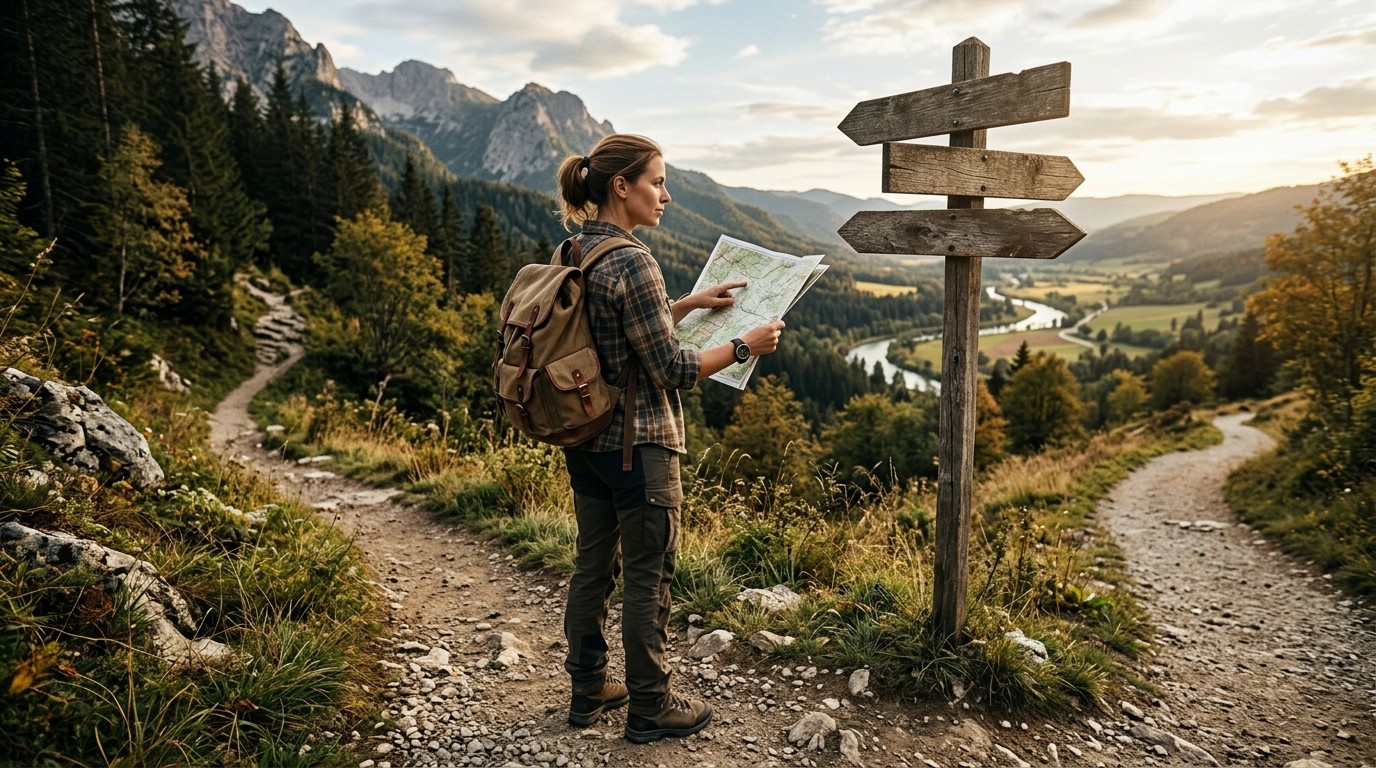
There is no single correct Iceland Road Trip. Some travelers want the full loop. Others want a shorter southwest-focused route that concentrates on the Golden Circle, the South Coast, and glacier country. If your time is limited, it is usually better to see fewer places well than to rush across the country with no breathing room. The Ring Road can connect a huge variety of scenery, but a concentrated loop often gives beginners a better sense of the country’s rhythm. A good Iceland Road Trip should match your comfort level, not just your ambition. If you are planning your first Iceland Road Trip, think about how much driving you genuinely enjoy in a day. Iceland can look small on a map, but the landscape invites stopping. Waterfalls, lava fields, cliff viewpoints, and glacier pullouts can slow the pace naturally. A route that looks efficient in theory can become exhausting in practice if you try to do too much. Build around the experiences that matter most, not around the fear of missing something.
The South Coast is the classic beginner route
For many travelers, the most satisfying Iceland Road Trip starts on the South Coast because it concentrates a high number of iconic views into a manageable distance. This area is famous for waterfalls, black sand beaches, glacier tongues, and coastal cliffs, and official Iceland tourism pages describe the South Coast as one of the country’s most striking areas. An Iceland Road Trip here often includes Seljalandsfoss, Skógafoss, Reynisfjara, and Jökulsárlón, each offering a different version of Icelandic drama. This region is ideal for first-timers because the attractions are easy to understand without needing advanced hiking skills or complicated logistics. An Iceland Road Trip can feel rewarding even if you keep the pace moderate. You can stand behind a waterfall, watch waves hit black sand, or see icebergs floating in a lagoon, all without turning the trip into a technical expedition. That accessibility is one reason the route stays so popular.
Waterfalls that define the experience
Waterfalls are the emotional heartbeat of an Iceland Road Trip. Iceland’s water moves with force and variety, and many of the country’s best-known falls are easy to build into a road-based itinerary. Gullfoss is one of the most famous stops in the Golden Circle, while the South Coast gives you cinematic walls of water like Seljalandsfoss and Skógafoss. In East and North Iceland, you can find dramatic falls such as Hengifoss and Dettifoss, with Dettifoss officially described as the most powerful waterfall in Europe by Vatnajökull National Park. A good stop does not simply list waterfalls. It lets each one play a different role. Some falls are about scale, some about setting, and some about the feeling of walking closer to moving water than you normally would at home. Svartifoss, for example, is known for its basalt columns and is part of a broader landscape shaped by volcanoes and glaciers. That mix of geology and movement is what gives Icelandic waterfalls their power. They are not decorative; they are active expressions of the island.
Glaciers change the mood of the road
Glaciers give an Iceland Road Trip its colder, quieter side. They are one of the clearest signs that Iceland is not only a land of waterfalls but also a land of ice and time. Vatnajökull National Park, the largest national park in Iceland and a UNESCO World Heritage site, protects some of the country’s most striking glacier landscapes. In that region, the scenery is shaped by volcanoes and glaciers together, which creates the contrast Iceland is famous for. An Iceland Road Trip into glacier country feels different from one that stays near the capital. The roads become more open, the horizons feel broader, and the weather can feel more serious. Jökulsárlón Glacier Lagoon is one of the best-known stops because it shows icebergs calving from the glacier and floating through the lagoon. That spectacle is powerful not because it is artificial, but because it feels like a living edge between land, water, and ice. This is where many travelers start to understand why Iceland leaves such a strong emotional impression.
How to think about weather and road safety
The most important safety lesson for any Iceland Road Trip is that Iceland’s weather does not behave like a gentle background. Official Safe Travel guidance says weather and road conditions can change quickly, and it recommends checking conditions often rather than assuming the morning forecast will hold all day. In practical terms, that means you should plan with slack in the schedule, especially in shoulder seasons and winter. An Iceland Road Trip becomes much more enjoyable when you see flexibility as protection, not as indecision. Driving habits matter too. Safe Travel notes that headlights should be on at all times, seatbelts are required, speed limits vary by road type, and you should not rely solely on map apps to judge whether a road is open or passable. For an Iceland Road Trip, those details are not trivia. They are the difference between a relaxed drive and an avoidable problem. Iceland rewards drivers who slow down, keep checking conditions, and respect the environment instead of trying to dominate it.
Why short drives can be better than long ones
Beginners often assume a successful Iceland Road Trip means covering as much ground as possible every day. In reality, shorter segments usually produce a richer experience. The landscape invites pauses, and those pauses are part of the design. You may stop for a viewpoint, an unexpected weather change, or a café that becomes a warm memory. An Iceland Road Trip should leave room for those moments. If you drive too far, the road turns into a blur and the land loses its detail. There is also a mental reason to keep the days reasonable. An Iceland Road Trip can be stimulating in a way that quietly drains energy. You are constantly interpreting weather, surfaces, parking, timing, and photo opportunities. A shorter day helps you stay present instead of depleted. The result is that the stops feel special rather than just necessary. That is a better way to travel any country, but it is especially true in Iceland.
Where to stay on the route
Accommodation choice can define the tone of an Iceland Road Trip. A stay near key road segments lets you get an early start, beat crowds, and avoid backtracking. Many travelers prefer a base in Reykjavík for the first night, then move toward the South Coast or the glacier region depending on the length of the trip. That approach breaks the route into understandable sections and reduces pressure. An Iceland Road Trip feels much calmer when lodging supports the drive instead of fighting it. You do not need luxury to have a memorable trip. You need good location, reliable heating, and a clear check-in process. In Iceland, weather can make a simple room feel like a true refuge. An Iceland Road Trip becomes better when the evening stop is restful enough that the next morning feels possible. That is especially valuable after a long drive through wind, mist, or rain.
What to pack for changing conditions
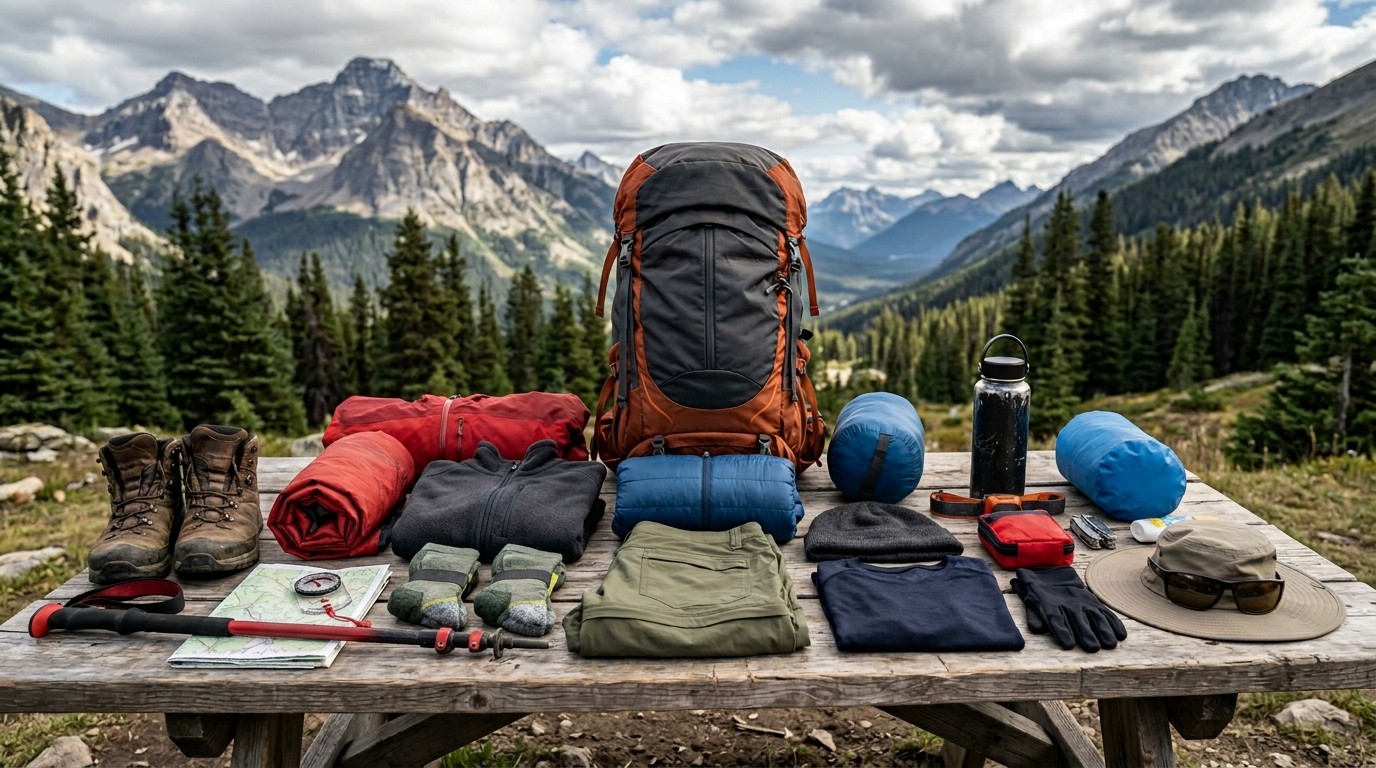
Packing for the drive is mostly about respecting variability. Layered clothing, waterproof outerwear, gloves, a hat, comfortable shoes, and a power bank are not optional extras in many seasons; they are basic tools. You may begin the day in light wind and end it in cold rain. That is normal in Iceland. A well-prepared Iceland Road Trip always includes clothing that handles sudden change. It also helps to carry snacks and water because some stretches between stops are more open than travelers expect. An Iceland Road Trip can become more tiring if you are hungry, cold, or distracted by missing essentials. The more self-sufficient you are, the easier it is to enjoy the scenery without worry. Preparation does not make the road less adventurous. It makes the adventure less annoying.
The psychology of scenic driving
An Iceland Road Trip has a unique mental effect because the scenery is so consistently beautiful that your brain can get overstimulated. You start taking photos, then comparing viewpoints, then wondering whether the next stop might be even better. That can create subtle fatigue. The cure is simple: slow down and let each place be enough on its own. The road is not trying to compete with your expectations. It is inviting you to notice what is already there. This is where the Benefits of Solo Travel can appear even on a road trip with companions. When you are the one choosing the stops, the pace, and the order of the day, you become more aware of your own preferences. Some travelers discover that they love quiet viewpoints more than famous landmarks. Others realize they prefer long scenic stretches to packed itineraries. An Iceland Road Trip often teaches that lesson quickly, and that is one reason it feels so personal.
Advice for First Time Solo Travelers matters here because the same habits that make a trip calm—clear plans, light packing, and a flexible schedule also make a self-drive route less stressful.
Where adventure becomes more serious
As the route gets farther from Reykjavík and into glacier territory, the road trip starts to feel more like a journey. An Iceland Road Trip that reaches South Iceland or Vatnajökull country can bring you close to ice caves, glacier walks, and dramatic coastal weather. Official sources stress that glacier travel is not without danger and should not be attempted without proper equipment or an experienced guide. That advice matters even if you are only planning to admire glaciers from the road. Respect for the environment is part of the experience. Some travelers who love this style of trip later move on to bigger expeditions like the Nepal Base Camp Trek or serious mountain itineraries such as Kilimanjaro Climb Routes. Those experiences are very different from Iceland’s roads, but the mindset is similar: prepare well, stay humble, and let the environment set the rules. An Iceland Road Trip can be the perfect introduction to that kind of outdoor discipline.
When to add detours and when not to
One of the smartest decisions in an Iceland Road Trip is knowing when to detour. A tempting side road or viewpoint may be worth it if weather, time, and energy are on your side. But not every beautiful idea should become a real stop. Iceland’s roads can change conditions quickly, and some routes are more demanding than they appear. Good travel planning includes the ability to say no to a detour that would strain the day. This judgment gets easier when you treat the route like a story, not a checklist. An Iceland Road Trip should have a flow. One day may focus on waterfalls. Another may focus on glacier views. Another may slow down for coastal stops. Once the trip has rhythm, the small choices become simpler. You stop asking, “How much can I add?” and start asking, “What makes the day feel balanced?”
Why the country stays memorable long after you return
An Iceland Road Trip tends to stay in memory because the visuals are so distinct. Water falling through moss, ice glowing blue, black sand under heavy clouds, and open roads cutting through empty space all create strong mental images. But there is also an emotional reason the trip lingers. Iceland is a place where scale makes people feel small in a good way. That feeling can be calming. It reminds you that not every moment needs to be controlled. Another reason the trip lasts in memory is the repeated transition between comfort and exposure. You move from warm car to cold wind, from simple road to epic landscape, from planning to surprise. That contrast is what keeps the day alive in your mind. A well-designed Iceland Road Trip does not just show you sights. It gives you a sequence of moods, and that sequence becomes part of the story you tell later.
A simple route model for beginners
If you are planning your first Iceland Road Trip, think in zones. A practical beginner version might begin with Reykjavík, move through the Golden Circle, continue along the South Coast, then reach glacier country before looping back. That structure gives you a sense of progression without asking you to do everything in one sweep. It is enough to feel the country’s diversity while still leaving room for comfort and rest. A second version can be even more modest. Focus on the South Coast and nearby inland stops, then return via the same broad corridor. There is no shame in a shorter plan. An Iceland Road Trip is not graded by mileage. It is measured by how well it fits your time, energy, and confidence. For beginners, that is usually the smartest way to think.
How to stay calm when the weather changes
If there is one lesson every Iceland Road Trip teaches, it is that weather deserves attention. Safe Travel and official park guidance repeatedly emphasize fast-changing conditions, especially in exposed areas and on glacier terrain. That means you should check the forecast before leaving, then check again during the day. If the sky changes, your plan should be flexible enough to change with it. The road rewards calm adjustment much more than stubbornness. This is true not just for safety, but for enjoyment. A windy waterfall, a moody glacier lagoon, or a cloud-swept coast can be just as beautiful as a sunny postcard view. Sometimes the changing weather makes the scene more powerful. An Iceland Road Trip becomes richer when you stop expecting perfect conditions and start appreciating dramatic ones.
How to make the trip feel like yours
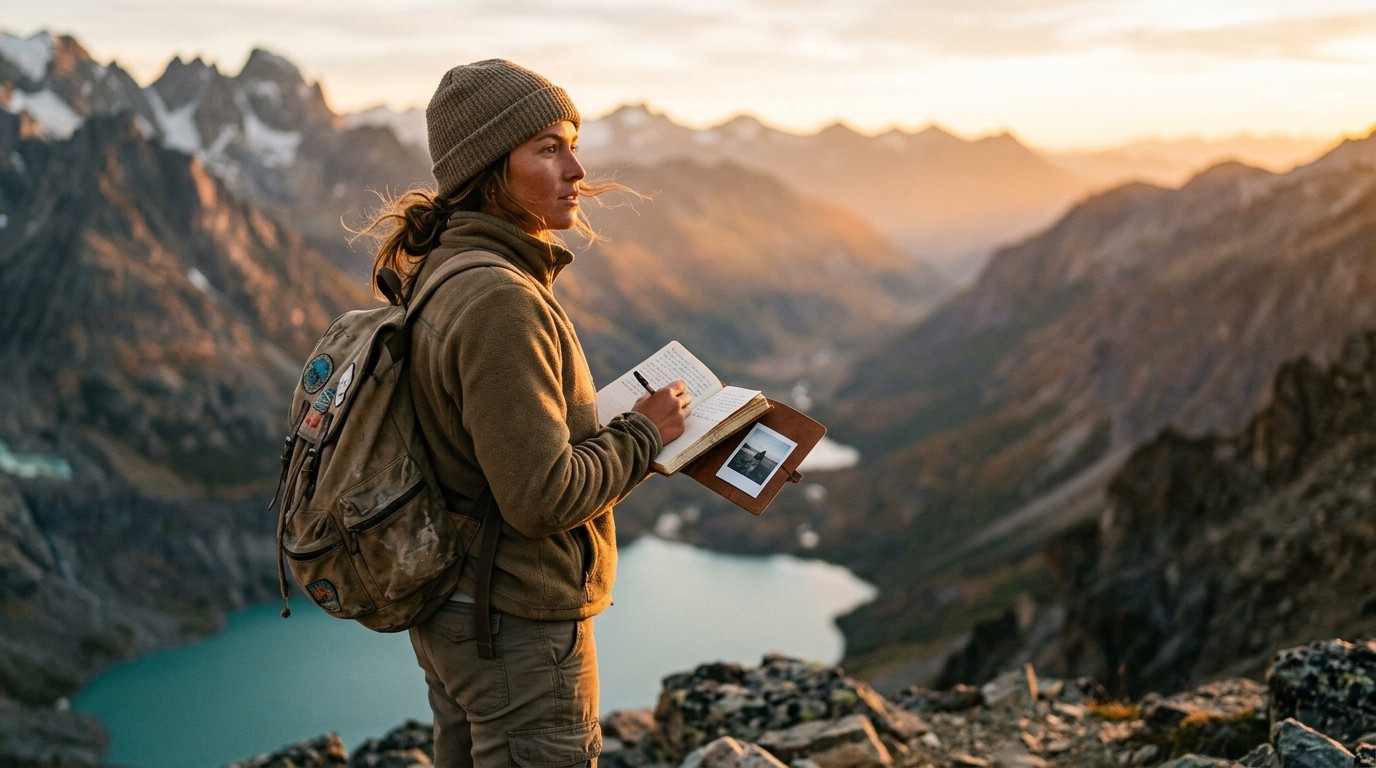
Many travelers use an Iceland Road Trip to chase iconic photos, but the most meaningful trips are often more personal. You might remember a tiny roadside café, an unplanned walk, or a place where you sat quietly watching light move across the land. That is why travel planning should leave room for intuition. The most memorable parts are often not the biggest names on the map. You can also personalize the trip by choosing your own pace. Some people love sunrise starts. Others need slow mornings. Some like long scenic driving days. Others want lots of stops and short hops. An Iceland Road Trip is adaptable enough to support all of those styles. Once you understand that, the route becomes less intimidating and more expressive.
Final planning reminders
Before you go, make sure the car is appropriate for the roads you plan to use, the fuel level is comfortable, and the route matches the season. If you move into higher-risk areas, review official guidance carefully and never treat unfamiliar terrain casually. In Iceland, the road itself is part of the adventure, but it is still a road, not a theme park. A wise Iceland Road Trip respects that difference and keeps the trip grounded. Also make sure your expectations are realistic. You may not see every waterfall in perfect light. You may not get ideal conditions every day. You may need to adjust, wait, or skip something. That does not mean the trip failed. It means the trip was real. And in Iceland, reality is often more beautiful than the plan.
Conclusion: A beginner-friendly Iceland Road Trip works best when it balances ambition with restraint. The scenery is powerful enough to impress you, but the driving becomes most enjoyable when you leave room for weather, rest, and surprise. That balance matters because Iceland asks for attention, not perfection. If you prepare well, choose a route that fits your time, and respect road and glacier conditions, the trip becomes more than a scenic drive. It becomes a steady unfolding of cliffs, water, ice, and light that feels both adventurous and calm. The best memories usually come from moving slowly enough to notice them, and that is exactly what a thoughtful Iceland Road Trip allows.
Conclusion
An Iceland Road Trip offers more than beautiful scenery because it combines freedom, adventure, and personal discovery in one unforgettable journey. From roaring waterfalls and black sand beaches to massive glaciers and quiet mountain roads, every stop feels different yet connected. The key to enjoying the experience is staying flexible, respecting Iceland’s weather, and allowing enough time to truly absorb each location. Whether you travel solo or with friends, the journey becomes more meaningful when you slow down and appreciate the landscapes instead of rushing between attractions. A well-planned Iceland Road Trip creates lasting memories, deeper confidence, and a stronger connection with nature and travel itself.
Frequently Asked Questions (FAQ)
1. What is the best time for an Iceland Road Trip?
The best time depends on your goals, but summer is usually easier for beginners because daylight is longer and road conditions are generally simpler.
2. Is it safe to drive in Iceland as a beginner?
Yes, if you stay on appropriate roads, check conditions often, and drive cautiously.
3. Do I need a 4×4 for every Iceland Road Trip?
No. Many common routes are manageable with a regular car, but some roads and seasons require more capable vehicles.
4. Which route is best for first-timers?
A South Coast-focused route is often the easiest and most rewarding starting point.
5. Can I do a short trip and still see a lot?
Yes. Iceland’s landscapes are concentrated enough that a shorter route can still feel rich.
6. Are glaciers easy to visit from the road?
Many glacier areas are accessible for viewing, but glacier walks should be done with proper guides and equipment.
7. What should I prioritize if time is limited?
Focus on waterfalls, glacier views, and one or two coastal stops instead of trying to cover everything.
8. How do I handle changing weather?
Check forecasts often, keep the schedule flexible, and be ready to adjust your plan.
9. Is this a good trip for solo travelers?
Yes, many people enjoy Iceland independently because the route structure is clear and the scenery is easy to appreciate alone.
10. What makes the trip memorable?
The contrast between water, ice, road, and weather creates a sense of movement that stays with you long after the drive ends.




Leave a Reply