

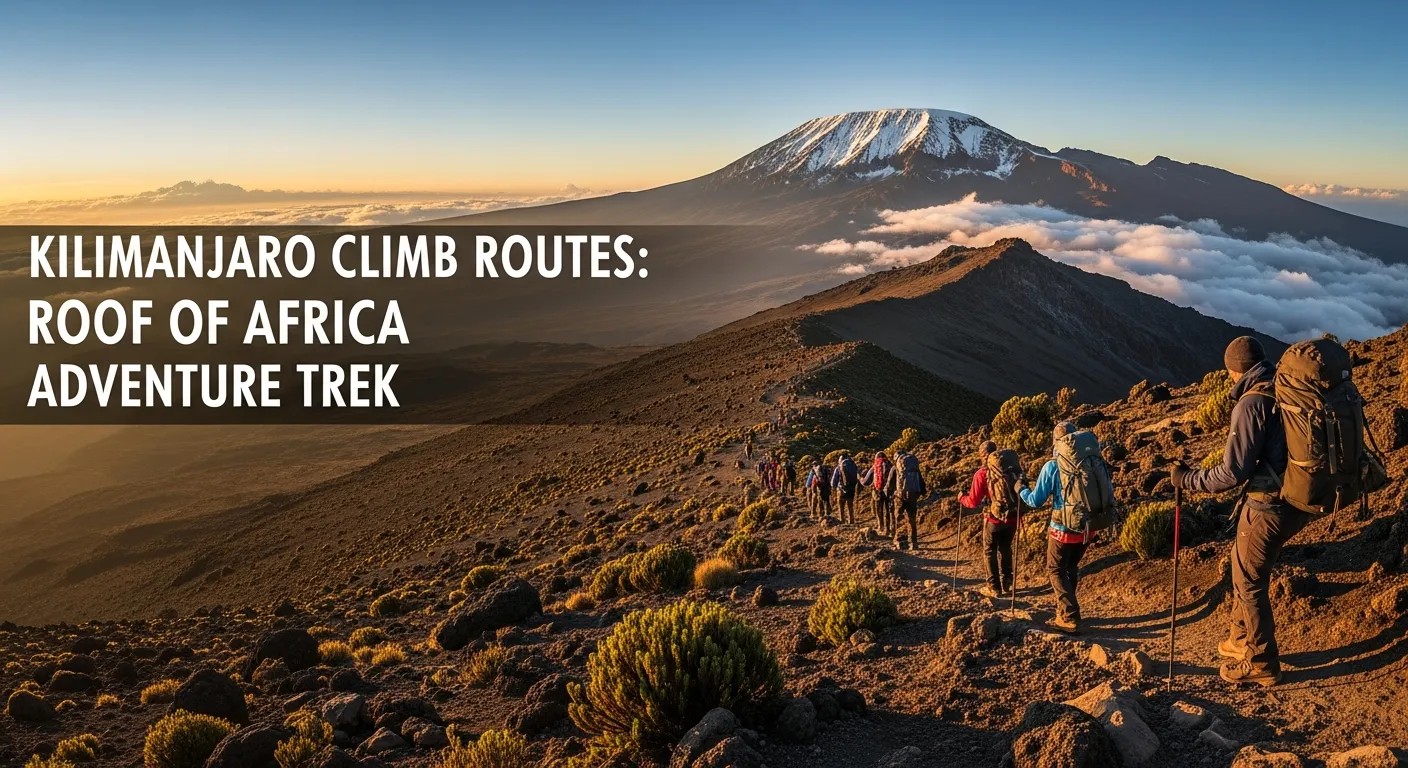
Kilimanjaro Climb Routes help travelers choose a path that feels realistic, rewarding, and easier to trust, because the best trek is the one that balances scenery, acclimatization, and personal pace.
Most hikers start by comparing Kilimanjaro Climb Routes before they think about gear or dates, and that instinct makes sense because route choice shapes the whole experience from altitude rhythm to campsite style.
The mountain is commonly described by TANAPA as having several climbing trails to Kibo peak, with climbing typically taking five to nine days depending on the route, so the itinerary itself is part of the challenge.
Understanding the route landscape
At a practical level, Kilimanjaro Climb Routes are about matching ambition to terrain, because a shorter route can feel efficient while a longer one often gives your body more room to adjust. Official park materials note that routes and trail names vary across brochures and park pages, so the smartest first step is learning the system rather than memorizing a single ranking.
That is why Kilimanjaro Climb Routes should be read as planning choices, not just map lines. One trail may use huts, another may rely on camps, and some are treated differently depending on which guide or TANAPA document you read. Once you understand that route naming can vary, comparison becomes clearer and less confusing.
Many first-time trekkers look for the easiest option, but Kilimanjaro Climb Routes are better judged by acclimatization, pace, and the kind of scenery you want to carry in memory. The official park brochure describes Kilimanjaro as a mountain with multiple ecological zones on the way up, so the route is also a visual and physical journey, not just a summit target.
What the official park sources say
TANAPA’s materials consistently frame Kilimanjaro Climb Routes as a choice among several established trails, with the park page naming Marangu, Machame, Shira, Umbwe, and Rongai, while the official brochure adds Lemosho and Londorosi among the ascending options. That variation is normal, and it is exactly why careful route reading matters.
When you look at Kilimanjaro Climb Routes through an official lens, the key fact is that the climb is managed through a small set of recognized mountain trails rather than a free-form walking network. TANAPA also notes that climbing to the summit normally spans five to six days in general descriptions, while route-specific brochures extend the range to five to nine days depending on the trail.
That means Kilimanjaro Climb Routes should be evaluated the same way serious trekkers evaluate any major mountain objective: by duration, support structure, and the route’s fit with your fitness and acclimatization needs. In other words, the route is not just a preference; it is part of the safety plan.
Acclimatization-first route choices
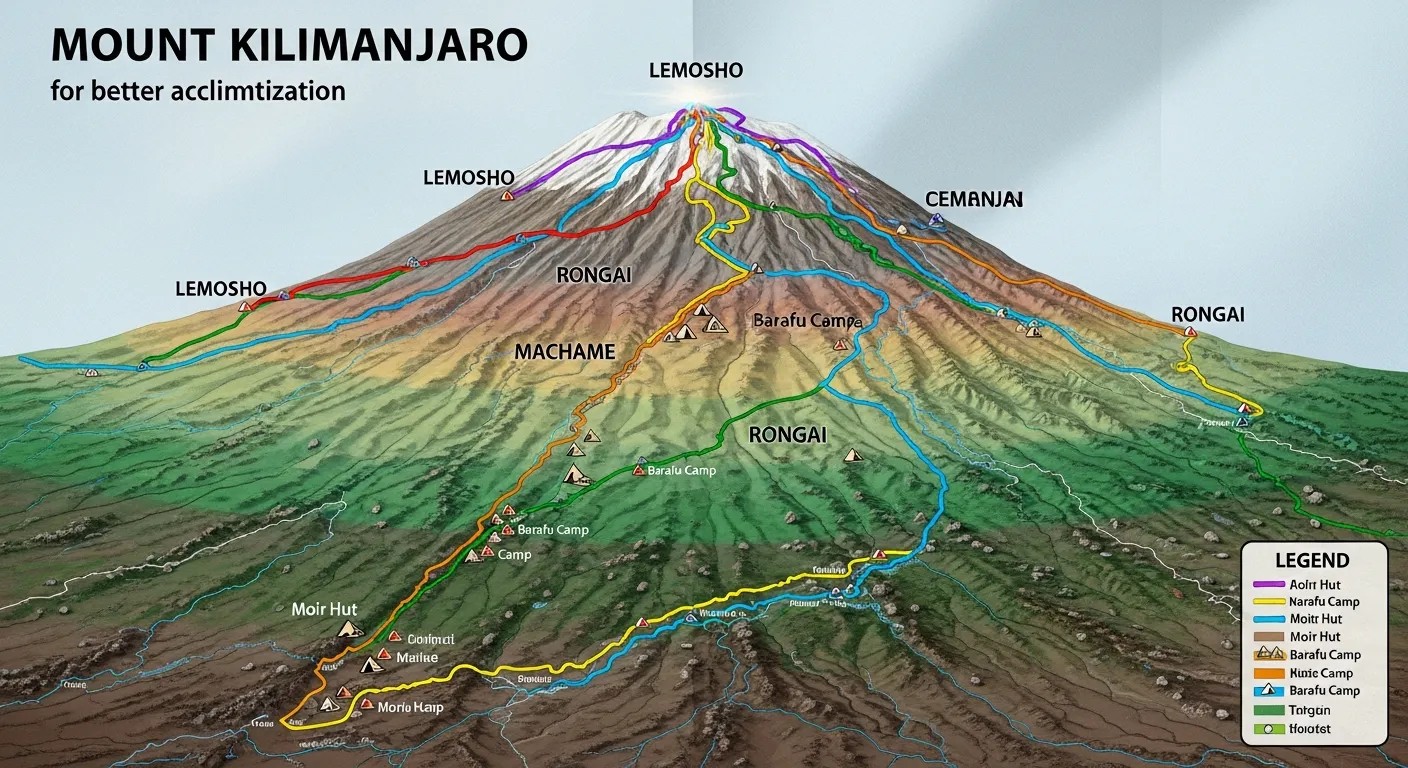
For acclimatization, many reputable guides point to Machame and Lemosho as strong choices because they naturally support the climb-high, sleep-low pattern that altitude experts like to see. That matters because Kilimanjaro Climb Routes are not equal in how gently they introduce height.
Several route comparisons also place the Northern Circuit and longer Lemosho itineraries near the top for adjustment time, which is why experienced trekkers often talk about pacing before scenery. In the context of Kilimanjaro Climb Routes, more days can mean a calmer body and a steadier mind.
That does not mean every shorter route is wrong. It means Kilimanjaro Climb Routes should be matched to the pace your body can handle and the time your schedule can afford, because altitude rewards patience more than bravado.
The classic route families
Marangu is often treated as the classic route, and the official park brochure notes that it uses huts at Mandara, Horombo, and Kibo rather than the tented wilderness setup found on several other trails. For many travelers, Kilimanjaro Climb Routes that include Marangu stand out because the route feels more structured and easier to picture.
Machame is usually discussed as one of the most popular and scenic options, and route guides commonly recommend it because the profile supports acclimatization while still feeling adventurous. In Kilimanjaro Climb Routes, Machame often becomes the middle ground for hikers who want variety without jumping straight to the longest itinerary.
Lemosho is frequently described by guides as a beautiful, low-traffic route with strong acclimatization value, especially when hikers choose a longer version. Among Kilimanjaro Climb Routes, it is often the route people mention when they want scenery, spacing, and a more gradual approach all at once.
Quieter and more demanding routes
Rongai is the mountain’s northern approach and is often valued by trekkers who want a quieter experience or a different perspective on the volcano. Within Kilimanjaro Climb Routes, it is the route people bring up when they want fewer crowds and a drier-sounding profile in route discussions.
Umbwe is generally described as steeper and more direct, which is why it is often treated as one of the more demanding options. That makes it useful for strong hikers, but Kilimanjaro Climb Routes that include Umbwe should be read carefully by anyone who wants a gentler acclimatization rhythm.
Shira and the Northern Circuit are usually discussed as scenic and extended route families, with the Northern Circuit often praised for gradual acclimatization and high summit success in guide comparisons. For many hikers, those Kilimanjaro Climb Routes feel less rushed and more immersive because they create space for the mountain to unfold.
Choosing by traveler type
If you are a first-time trekker, Kilimanjaro Climb Routes that offer more days and stronger acclimatization often feel safer because they reduce the pressure to rush. That is why many guide sources favor Machame, Lemosho, or the Northern Circuit for a more forgiving climb profile.
If you value structure, huts, and a route that is easier to imagine end to end, Marangu often comes up in discussions of Kilimanjaro Climb Routes. The tradeoff is that comfort and simplicity do not automatically mean the best acclimatization profile, so the decision should still be made with altitude in mind.
If your priority is solitude and a more remote feel, Rongai or a longer circuit-style itinerary may suit you better. In that sense, Kilimanjaro Climb Routes should be read like personality matches: some are efficient, some are scenic, some are social, and some are intentionally quieter.
Mindset, nerves, and confidence
The mental side of Kilimanjaro matters just as much as the route map, because uncertainty can magnify fatigue and make every climb feel harder than it is. Good Kilimanjaro Climb Routes help reduce that pressure by giving the brain a clear story about what comes next.
If you experience pre-trip nerves, break the trek into smaller mental checkpoints instead of staring only at the summit. That is one of the simplest Severe Flight Anxiety Psychology Hacks as well, because the same calm, step-by-step thinking reduces both travel stress and mountain stress. In Kilimanjaro Climb Routes, the route becomes easier to manage when the mind stops treating the whole trip as one giant leap.
Human confidence grows when the path is legible, and that is exactly why itinerary clarity matters before you book. Kilimanjaro Climb Routes that fit your stamina and schedule make the decision feel less risky, which in turn makes the training and packing feel more purposeful.
Altitude, pacing, and summit day
Altitude reward comes from patience, hydration, and a pace that respects the body rather than arguing with it. For Kilimanjaro Climb Routes, that is one reason longer routes are often preferred: they create more time for adjustment before summit day.
Route choice also shapes summit night difficulty. Some guides note that Marangu and Rongai can feel tougher near the top because of how the final approach is laid out, while Machame and Lemosho often shorten the emotional burden of the summit push. Those differences matter when you are deciding among Kilimanjaro Climb Routes.
Once you understand pacing, the mountain feels less mysterious. Kilimanjaro Climb Routes are not just a question of scenery; they are a question of how gradually the climb lets you adapt so that the summit attempt is difficult in a controlled way rather than a chaotic one.
Logistics before the mountain
Before the trek itself, many travelers pair route research with flight planning, and that is where Google Flights Guide style thinking can help: compare dates, verify flexibility, and avoid committing too early to one option. Kilimanjaro Climb Routes become much easier to manage when your arrival and departure windows are realistic.
Good Flight Booking Tools And Comparison habits matter because the easiest route on the mountain is not useful if the airport side of the trip is chaotic. In the same way that Kilimanjaro Climb Routes need route comparison, the travel day needs timing comparison so you can arrive rested and leave without stress.
If you also read a Patagonia Hiking Guide or a Mountain & Remote Adventure Travel Guide, you will notice the same pattern: remote trekking works best when the logistics are handled before the adventure becomes physically demanding. That is true for Kilimanjaro Climb Routes too, because the more remote the experience feels, the more valuable simple logistics become.
Packing, support, and camp life
Official TANAPA materials note that the mountain has huts on the Marangu route and designated camping sites on several wilderness routes, including Machame, Lemosho, Rongai, Mweka, Umbwe, and Londorosi. That support structure is one of the most practical parts of Kilimanjaro Climb Routes, because accommodation style changes how the climb feels day to day.
Packing decisions should follow the route, not the other way around. If your itinerary uses tents, you need a different mindset than if it uses huts, and that affects layers, sleeping comfort, and the rhythm of each day. For many Kilimanjaro Climb Routes, the question is not just what to bring, but what the route will already provide.
Support teams matter because mountain travel is a coordinated effort, not a solo sprint. Guides, porters, and the route infrastructure keep the climb organized, and that is why experienced trekkers treat Kilimanjaro Climb Routes as an expedition system rather than a hiking trail in the ordinary sense.
A clean decision framework
The cleanest way to choose among Kilimanjaro Climb Routes is to ask three questions: how much acclimatization time do I want, how much solitude do I want, and how much structure do I want around sleeping and camp life? Those three questions usually narrow the options quickly.
Once the answer is clear, the rest becomes simpler. If you want the most gradual approach, the longer circuit-style routes deserve a close look; if you want a classic, hut-based climb, Marangu stays in the conversation; if you want a balanced blend of scenery and acclimatization, Machame or Lemosho often rise to the top. That is the practical heart of choosing among Kilimanjaro Climb Routes.
Training, weather, and readiness before departure
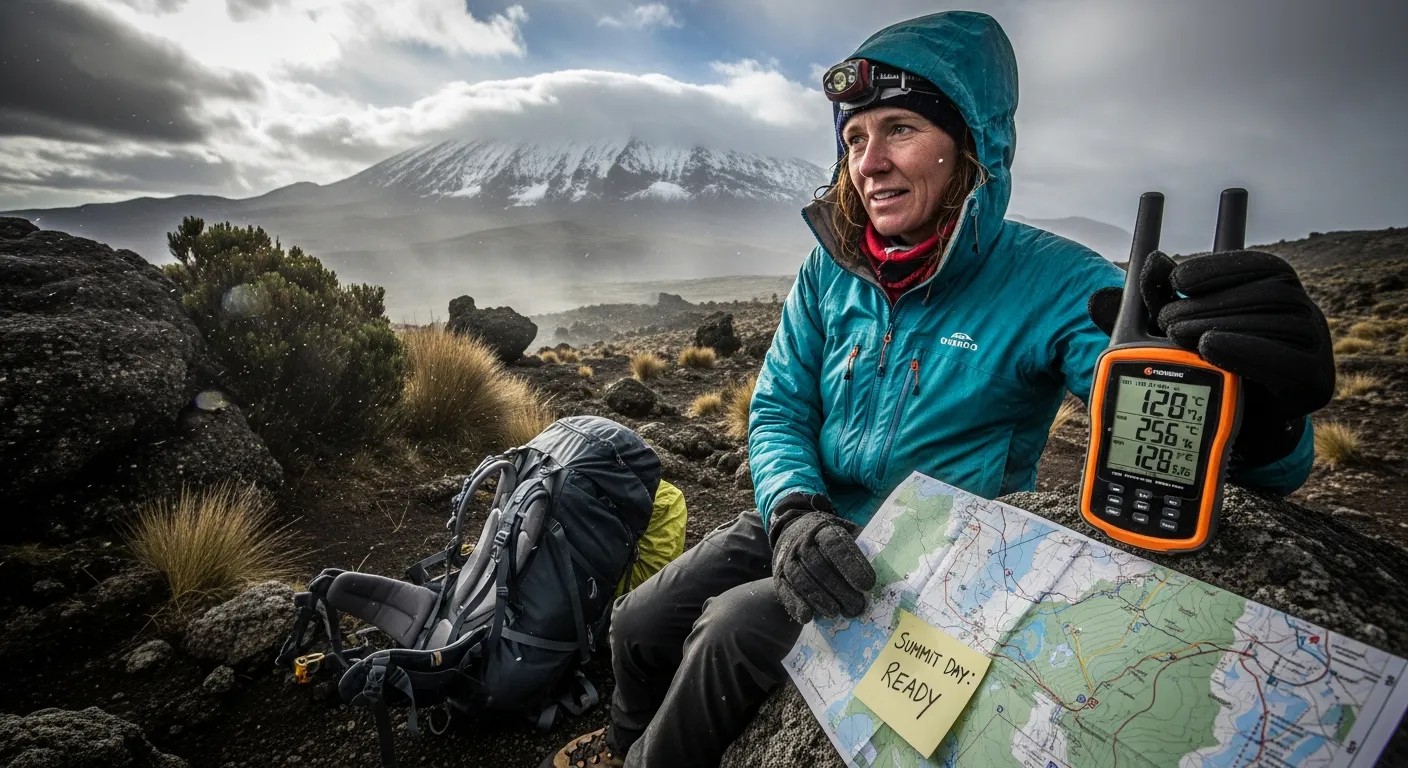
These climbs also make more sense when you prepare your body to match the route’s demand instead of hoping fitness will appear on the mountain. That preparation does not need to be extreme, but it should be specific: walking practice, stair work, steady cardio, and the ability to move comfortably for several hours. The aim is not athletic ego. The aim is to make the trek feel familiar enough that altitude, not panic, becomes the main challenge.
Weather planning matters because a mountain with multiple ecological zones rewards travelers who pack for change rather than for one perfect forecast. A route may begin in forest, move through moorland, and finish in cold alpine conditions, so the same day can feel like three different climates. When people understand that variability, they stop treating clothing as an afterthought and start seeing it as part of the route strategy.
Another reason these climbs deserve careful planning is that summit day is only one part of the experience. The days before the summit build the mental frame, the camp routine, and the body’s response to elevation, so every stage matters. Travelers who respect that rhythm usually feel more settled because they are not trying to improvise once fatigue arrives. Preparation gives the whole climb a calmer shape.
Packing should be guided by function rather than by fantasy gear lists. If the route uses huts, your sleep setup differs from a tent-based trip; if the route is longer, your spare layers and comfort items matter more because small inconveniences repeat for more days. A thoughtful packing plan protects energy, reduces small frustrations, and frees the mind to enjoy the mountain instead of negotiating with discomfort at every camp.
Readiness also includes flexibility. A good trek plan leaves some space for delays, slower pacing, and simple rest. That flexibility is not wasted time; it is part of how difficult terrain becomes manageable. Trekkers who plan in a rigid way often feel every adjustment as a failure, while trekkers who expect adjustments are less shaken by them. That difference in attitude can make the same route feel far more comfortable.
Thinking through the trip as a sequence of small decisions also helps. Book the arrival window with some cushion, leave time to sleep before the climb, and avoid loading the last pre-trek day with too many errands. Those simple choices reduce cognitive clutter, which matters because the mountain itself already demands attention. When travel logistics are quiet, the mind has more room for the actual expedition. That is one of the easiest ways to make a hard adventure feel more manageable from the start.
Conclusion
In the end, Kilimanjaro Climb Routes are not about picking the most famous trail; they are about choosing the route that best fits your body, your schedule, and your appetite for challenge. TANAPA’s official materials show that Kilimanjaro offers several established ascent options, and guide comparisons consistently suggest that longer routes improve acclimatization while Marangu offers hut comfort and quicker structure. When you compare those tradeoffs honestly, the decision becomes calmer and more personal. The right route is the one you can prepare for, enjoy on the way up, and remember with pride on the way down.
Frequently Asked Questions (FAQ)
1. What are the main route families?
The official park materials describe several recognized trails, and Kilimanjaro Climb Routes commonly discussed by trekkers include Marangu, Machame, Lemosho, Rongai, Umbwe, Shira, and Northern Circuit variations, depending on how a guide groups the ascent lines.
2. Which route is best for acclimatization?
Many guide comparisons favor longer itineraries such as Lemosho and the Northern Circuit because they give the body more time to adjust, and Kilimanjaro Climb Routes on those routes are often recommended for that reason.
3. Is Marangu easier than the others?
Marangu is often described as the most structured route because it uses huts, but easier logistics do not automatically mean easier altitude adaptation, so the answer depends on what kind of difficulty you mean.
4. Are longer routes worth the extra days?
For many trekkers, yes, because Kilimanjaro Climb Routes that last longer often improve pacing, reduce summit pressure, and give the mountain a more gradual rhythm. That usually feels more manageable than rushing the ascent.
5. Which route is quietest?
Rongai is often mentioned as a quieter northern approach, while Kilimanjaro Climb Routes like the Northern Circuit are also valued for a more remote feel and a less crowded experience.
6. Do I need special experience?
TANAPA notes that reasonably fit people can usually attempt the mountain, but the climb still demands preparation, realistic pacing, and respect for altitude. Good planning matters more than bravado.
7. How should I choose the route?
Start with your acclimatization tolerance, then compare comfort level, solitude, and time. That framework makes Kilimanjaro Climb Routes easier to judge because the route is being matched to your real travel needs instead of a marketing label.
8. What should I plan around the trek?
Book flights with enough buffer, plan for rest before the climb, and keep the logistics simple so the trek itself gets the energy it deserves.
9. What if I get nervous before travel?
Use the same calm, step-by-step thinking that helps on the mountain: simplify the choices, confirm the plan, and keep the trip moving one checkpoint at a time. That works well for the route and for the journey to get there.
10. What is the safest mindset overall?
The safest mindset is to treat Kilimanjaro Climb Routes as an expedition decision, not a race. Choose the route that gives you enough time, enough clarity, and enough confidence to climb steadily.




Leave a Reply