


Embarking on a wild travel guide adventure can redefine the way you connect with nature, pushing you beyond familiar boundaries into landscapes that inspire awe and stir the soul. In today’s digital landscape, where many journeys are curated through screens, the call of raw wilderness remains unmatched. This wild travel guide offers a comprehensive blueprint for travelers seeking authentic encounters with some of the planet’s most untamed regions. From meticulous planning and gear selection to sustainable practices that protect fragile ecosystems, this article equips you with the knowledge to explore responsibly.
Currently, travelers are more conscious of both environmental impact and personal safety. This year (2026), optimal preparation begins by researching local regulations, weather patterns, and essential permits before departure. Whether you aim to trek across icy glaciers or navigate arid deserts, this wild travel guide will walk you through every critical step. Read on to transform your next expedition into a life-changing experience that honors both your adventurous spirit and the majestic places you visit.
Planning Your Wild Adventure
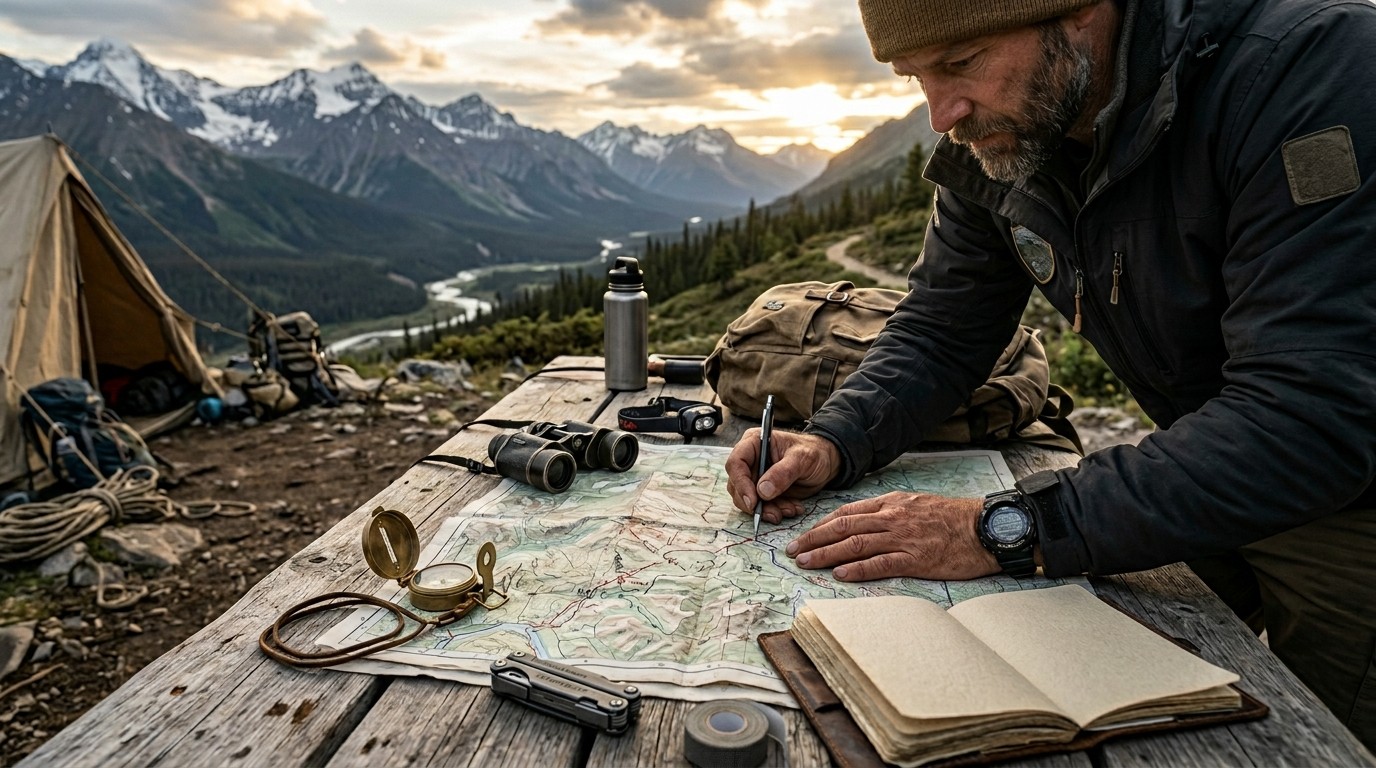
Effective planning lays the groundwork for a seamless expedition. First, define your objectives based on skill level, preferred climate, and desired activities—be it mountaineering, kayaking, or wildlife observation. Consult official sources like the U.S. Geological Survey (USGS) for reliable data on terrain and seismic activity, ensuring you select routes that match your fitness and expertise.
Next, investigate visa requirements, local permits, and protected-area regulations. Many regions enforce strict entry protocols and environmental guidelines to safeguard both visitors and habitats. Use digital tools to monitor seasonal weather trends, but remain flexible: an itinerary that allows spontaneous detours can often lead to the most memorable discoveries. Always register your route with local authorities or through a trusted third party, and prepare a clear emergency evacuation plan that includes contact information for nearby embassies, rescue services, and medical facilities.
Familiarize yourself with indigenous customs and community rules. In many areas, respectful engagement with local populations unlocks deeper cultural insight and often improves logistical support porters, guides, and homestays can enrich your experience. Study regional flora and fauna to minimize risks from poisonous plants and wildlife encounters. Equip yourself with field guides or mobile apps that work offline, and practice navigating with topographic maps and a compass before departing.
Lastly, document your preparation process. Photograph equipment, scan travel documents, and share digital backups with a designated contact. By investing time in thorough planning, you reinforce your safety net and cultivate a mindset of resilience, helping you face the unexpected with confidence.
Essential Equipment Checklist
As outlined in this wild travel guide, assembling the right gear is crucial for comfort and security in remote environments. Your equipment must balance durability, weight, and multi-functionality.
Backpack and Load Management
Choose a 50–70L waterproof pack with adjustable suspension. A well-fitted backpack distributes weight evenly, preventing strain during extended treks. Consider modular pouches that simplify access to often-used items like navigation tools.
Shelter and Sleeping System
Select an ultralight tent or bivy sack rated for local conditions. Pair this with an insulated sleeping bag rated at least 10°F below expected lows and a compact sleeping pad. Quality shelter prevents exposure-related injuries and improves rest quality.
Cooking and Hydration
Invest in a backpacking stove compatible with universal fuel canisters, lightweight cookware, and biodegradable soap. For water, carry a reliable filter or purification tablets. Always pack extra fuel and hydration supplies beyond estimated needs.
Navigation and Communication
Equip yourself with topographic maps, a compass, and a GPS device as backup. Bring spare batteries and solar chargers. A satellite messenger or personal locator beacon can be lifesaving when cell coverage is absent.
Clothing and Footwear
Layering is key: moisture-wicking base layers, insulating mid-layers, and a waterproof outer shell. Sturdy, broken-in hiking boots and moisture-managing socks reduce the risk of blisters and hypothermia.
First Aid and Safety Tools
Compile a comprehensive first-aid kit tailored for wilderness scenarios, including blister care, prescription medications, and wound treatment supplies. Add a headlamp, multi-tool, fire starter, emergency whistle, and insect repellent.
Top 7 Wild Travel Destinations to Explore
![[object Object]](https://wildtrailadventure.com/wp-content/uploads/2026/05/ultimate-wild-travel-guide-top-thrilling-untamed-j-image-2.webp)
Ready to apply this wild travel guide? These seven extraordinary destinations offer unparalleled landscapes, demanding both respect and preparation.
Patagonia, Argentina & Chile
Patagonia’s rugged peaks and vast glaciers invite trekkers to the iconic W Circuit in Torres del Paine National Park. Pack versatile clothing for sudden weather shifts, and camp under pristine night skies with minimal light pollution.
Iceland Highlands
The volcanic expanse of Iceland’s central highlands boasts black sand deserts and thermal springs. Trek the Laugavegur Trail or drive a 4×4 route through Askja Caldera, prioritizing self-sufficiency and respect for delicate geothermal features.
Canadian Arctic, Nunavut
Nunavut’s Arctic Archipelago delivers true isolation. Kayak among ice floes, trek tundra fields, and learn Inuit survival traditions. Collaborate with experienced outfitters to navigate complex logistics.
Great Rift Valley, East Africa
From soda lakes teeming with flamingos to Mt. Kenya’s alpine slopes, the Rift Valley offers diverse ecosystems. Engage with Maasai communities, balancing cultural immersion and conservation.
Siberian Taiga, Russia
Experience the vast coniferous expanse of the Siberian Taiga by canoe or snowmobile. Prepare for extreme cold below –40°C in winter and mosquito swarms in summer.
Bhutan’s High Mountain Valleys
Bhutan’s remote valleys unveil sacred treks through rhododendron forests and Himalayan vistas. Acclimatize thoroughly before attempting high passes, and honor local customs at monastic sites.
Australian Outback, Northern Territory
The red deserts and gorges of Australia’s heartland demand robust bushcraft. Secure extra water, avoid midday heat, and learn traditional navigation from Aboriginal custodians.
Navigating Safety and Risk in the Wilderness
Venturing into untamed regions entails inherent risks—from volatile weather to wildlife encounters. This section of the wild travel guide emphasizes strategies to mitigate danger while maintaining adventure.
First, travel in groups when possible. Solo travel amplifies risk; partners provide support during emergencies and share essential tasks. Always inform a reliable contact of your detailed itinerary, expected return, and emergency communications plan. Maintaining regular check-ins via satellite messenger or satellite phone is invaluable when cell networks fail.
Acquire wilderness first-aid training from accredited organizations such as the American Red Cross or similar institutions. Basic skills in wound care, splinting fractures, and treating hypothermia can be lifesaving. Store food securely and carry wildlife deterrents where legal—bear-resistant canisters and noise-making devices discourage curious animals.
Monitor weather forecasts daily, adjusting plans to avoid storms, flash floods, or heat waves. In mountainous terrain, be prepared for rapid temperature swings; maintain dry clothing in waterproof sacks. Familiarize yourself with local search-and-rescue protocols and carry rescue signals like mirror reflectors or brightly colored panels.
Finally, practice common-sense risk management: respect local bans on off-trail travel, avoid crossing unstable river fords, and never underestimate altitude effects above 3,000 meters. By integrating these measures, your wild travel guide empowers you to explore confidently and safely.
Adopting Sustainable Travel Practices in Remote Regions
Preserving the fragile beauty of remote destinations is a responsibility that every adventure-seeker must embrace. This wild travel guide champions Leave No Trace principles, ensuring future generations can experience the same wonders.
Plan and prepare by researching protected-area regulations and seasonal wildlife activity. Pack reusable utensils, water bottles, and toiletries to minimize single-use plastic. During travel, stay on durable surfaces—trails, rock, or snow—to protect vulnerable vegetation.
Dispose of waste properly by packing out all trash, food scraps, and hygiene products. Human waste should be buried at least 60 meters from water sources or carried out where required by park authorities such as the National Park Service (NPS).
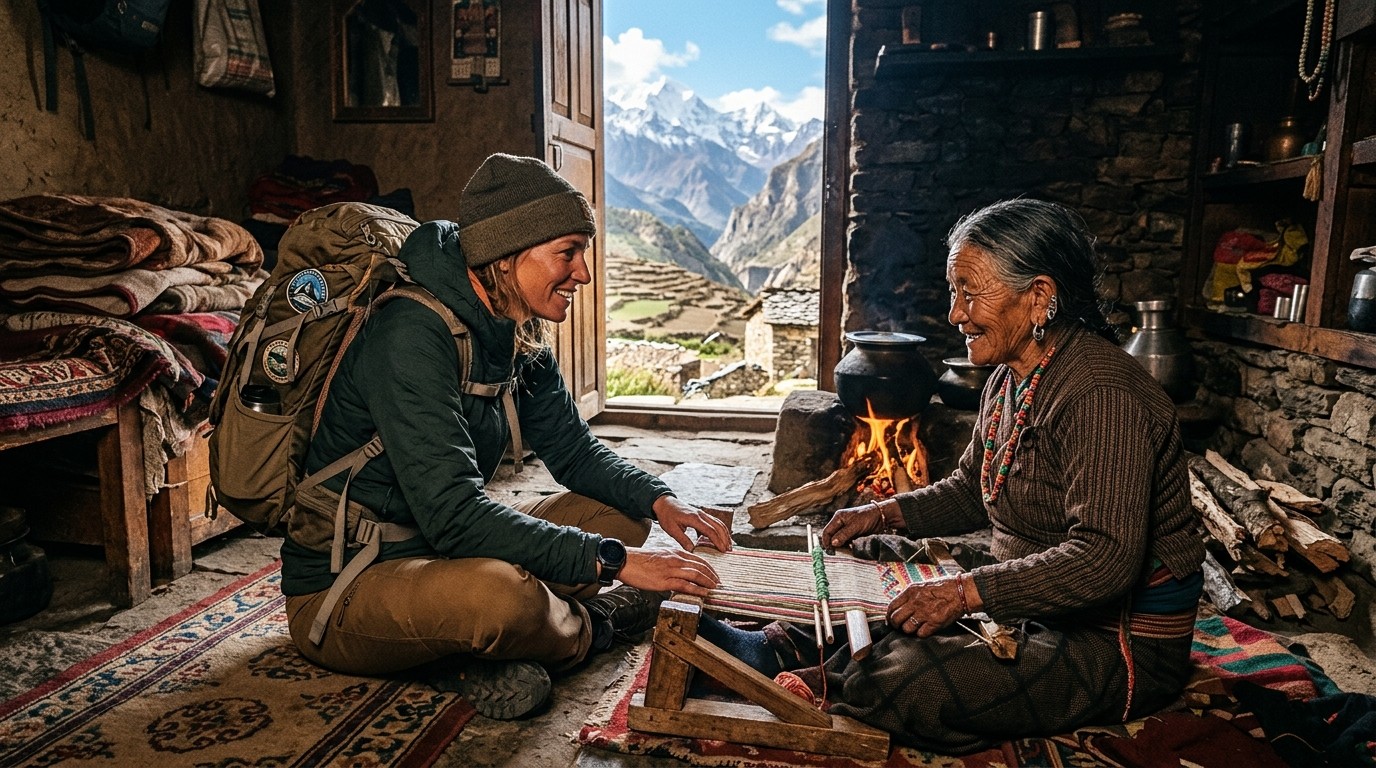
Respect wildlife by observing from a distance; use binoculars or telephoto lenses to avoid disturbing natural behavior. Never feed animals, as this disrupts their health and ecological balance. Support local economies by hiring indigenous guides, purchasing community-made handicrafts, and learning about cultural heritage.
Educate yourself on sustainable initiatives led by research institutions and conservation groups. By aligning your travel choices with eco-conscious standards, this wild travel guide fosters responsible exploration that honors both environment and culture.
Conclusion
Wild travel transforms ordinary vacations into extraordinary odysseys of personal growth and environmental stewardship. By following this wild travel guide’s comprehensive framework—meticulous planning, the right gear, diligent safety measures, and a commitment to sustainability—you can unlock the world’s most remote corners responsibly and confidently.
In today’s digital landscape, travelers are empowered with endless information, yet the truest lessons come from immersing oneself in untamed landscapes. Embrace the unexpected, remain adaptable, and keep curiosity at the forefront. The planet’s wild frontiers await your footsteps and reverence. Are you ready to answer the call of the wild this year (2026)? Your next untamed adventure beckons.




Leave a Reply