


The event helps travelers compare destinations, hear expert advice, and move from early curiosity to a real shortlist with less stress and more confidence.
Travel and Adventure Show matters because it turns travel planning into a live, human conversation instead of a lonely tab-hopping exercise. When destinations, operators, and experts gather in one room, travelers can compare ideas faster, ask better questions, and make decisions with more confidence. That makes the event feel faster and less intimidating than browsing dozens of websites alone, especially when your trip is still only a rough idea.
The practical value of Travel and Adventure Show is that it compresses discovery, comparison, and early booking research into a single experience. That can save time for people who already know they want to travel but are still deciding where, when, and how to go. It gives people a place to compare ideas in real time, which often clarifies priorities sooner than weeks of independent research.
One reason Travel and Adventure Show stays relevant is that it feels lower pressure than many online sales environments. You can browse, listen, and step away without commitment, which makes the event easier for cautious planners and first-time attendees. The low-pressure format also helps cautious planners feel comfortable asking questions they might otherwise hesitate to post online.
Official materials describe the series as a well-established travel marketing opportunity that has connected over 2.1 million travel enthusiasts with over 4,500 unique travel brands across major U.S. cities. Travel and Adventure Show works because it links scale with face-to-face trust. That mix of scale and personal contact is what gives the series its staying power year after year.
What attendees usually come for
Many people attend Travel and Adventure Show for inspiration that feels concrete instead of vague. They want to see destinations, compare styles, and hear what real travel professionals recommend before they spend money or set dates. People often appreciate that the experience is interactive, because real conversation can surface details that static brochures usually leave out.
Another reason to visit Travel and Adventure Show is access to people who can explain the details behind a trip. That makes the event useful for travelers who do not want generic marketing language and prefer direct answers about routes, seasons, and trip structure. It is easier to trust a recommendation when you can hear how the provider explains seasonality, timing, and value in person.
Travel and Adventure Show is also attractive to travelers who want a better sense of value. Official show pages mention travel savings, show-only deals, and giveaways, which can turn an exploratory visit into a real booking opportunity. Travel and Adventure Show blends inspiration with budget-conscious planning in a way that feels easy to act on.
Attendees often leave Travel and Adventure Show with a shorter list of destinations, clearer timing, and fewer unknowns. That is a strong outcome because the event is not only about browsing; it is about reducing uncertainty enough to move forward. The event also supports shoppers who want to compare several styles of travel before making a final decision.
How the show floor is organized

The floor at Travel and Adventure Show is easier to manage when you think in categories rather than random aisles. Destinations, tour companies, cruise lines, and other providers are grouped in a way that rewards people who arrive with a plan. A clear category-based floor helps travelers avoid random wandering and makes it easier to match interest with time.
Official pages for Travel and Adventure Show describe multiple learning spaces, including destination-focused sessions and theater-style programming, so the event is not just a row of booths. It is a layered environment built for both shopping and education. That layout matters because focused browsing usually produces better decisions than trying to absorb every booth equally.
That structure matters because Travel and Adventure Show can feel busy if you try to see everything. A short priority list helps you move from category to category without missing the exhibitors or sessions that matter most to your trip goals. When people know where to start, they usually leave with stronger notes and fewer half-formed ideas.
People who use Travel and Adventure Show well usually treat the floor like a decision map. They decide which destinations, price bands, and trip styles matter first, then use conversations on the floor to verify what is actually worth pursuing. Good floor planning turns a crowded venue into a series of manageable steps rather than a blur of choices.
Seminars, speakers, and learning value
One of the strongest draws of Travel and Adventure Show is education. Official pages highlight over 60 travel seminars on some show pages, and they frame the event as a place to learn practical travel advice instead of simply collecting brochures. Educational sessions are valuable because they help travelers move from abstract curiosity to practical understanding.
The speaker format at Travel and Adventure Show works because travelers often remember stories and examples better than long lists of advice. A short session can clarify seasonality, budgeting, packing, or destination fit much faster than a solo research session online. Short presentations can answer the questions that most people do not know how to phrase until they hear an expert speak.
Depending on the city and year, Travel and Adventure Show pages reference well-known travel voices such as Samantha Brown, Pauline Frommer, Peter Greenberg, Rick Steves, Phil Rosenthal, and Andrew McCarthy. That variety adds credibility and helps visitors move between sessions with purpose. The speaker format also makes it easier to compare viewpoints, which is useful when destinations or itineraries seem similar.
The seminar side of Travel and Adventure Show is especially useful for people who are comparing options that look similar on paper. Hearing an expert explain the difference between destinations, packages, or travel styles can save time and reduce indecision. People who listen closely often leave with a clearer sense of fit, not just a longer list of options.
Why the seminar format works
The seminar format works because travelers remember stories and examples more easily than long written lists. Travel and Adventure Show uses that advantage well. A short, focused session can help you understand how to approach a place, what mistakes to avoid, and which options are worth further research. The event makes learning feel quick and usable.
Travel and Adventure Show also helps people who are comparing similar destinations. If you are deciding between two countries or two kinds of itineraries, hearing an expert explain the differences can save hours of uncertainty. That is a major reason the event remains appealing to both first-time and experienced travelers. The result is a calmer, more productive experience.
Booking, savings, and trip planning
Travel and Adventure Show can be useful even if you are not ready to book immediately. The event helps you collect names, compare offers, and understand the logic behind a trip before you commit money or dates. That makes it easier to compare options without feeling rushed, which is especially valuable when you are balancing budget, timing, and comfort.
Official show pages highlight show-only deals, savings, and specials, which means Travel and Adventure Show is not just informational; it is also a chance to find value. That matters for travelers who want to make their budget stretch without giving up quality. Direct conversations can reveal useful details about inclusions, restrictions, and flexibility that online summaries sometimes hide.
Travel and Adventure Show is particularly helpful when a trip has complex details such as transfers, add-ons, or multi-stop routing. Speaking directly with a provider can answer questions that a website listing might leave unexplained. Travelers who keep a budget in mind usually get more out of the event because they can filter quickly.
If you arrive at Travel and Adventure Show with a rough budget, preferred season, and destination shortlist, the event becomes much more efficient. You can compare value quickly and leave with a realistic idea of what is worth a deeper look. A practical budget turns the visit into decision support rather than just an enjoyable day out.
Travel safety and solo traveler perspective
Travel and Adventure Show is not only for couples or group travelers. Solo visitors can get a lot from it too, especially when they want destination advice, logistics clarity, and a better sense of how a place may feel in practice. Solo travelers often value the event because it offers perspective before commitment, not after problems appear.
For women traveling alone, preparation matters before the trip even starts. Safety Hacks for Women are really about lowering friction, building better habits, and making decisions with less stress when plans change, and Travel and Adventure Show can be a useful way to compare destinations and trip styles before booking.
Travel and Adventure Show can help solo travelers compare destinations more intelligently because some cities are simply easier to navigate, more walkable, or more comfortable for independent visitors. That context makes the booking decision feel more grounded. Independent travelers usually benefit when they can ask direct questions about pace, transit, and neighborhood feel.
Many attendees use a Travel Channel Guide or similar media source for inspiration first, then use Travel and Adventure Show to confirm whether the destination actually matches their comfort level, budget, and travel style. That kind of early clarity reduces stress later because you can choose destinations that match your comfort level.
Building confidence for solo trips
Travel and Adventure Show becomes especially valuable when your goal is confidence. The more you know about a destination, the less likely you are to feel uncertain after arrival. That is why many solo travelers treat the event as a place to reduce unknowns and build a stronger plan. The event can therefore serve as a confidence-building step rather than merely a source of ideas.
How to get the most from a single visit

Travel and Adventure Show rewards people who enter with a plan. A short list of destinations, sessions, and exhibitors will keep you from getting lost in the noise and help you focus on the conversations that matter. A short plan prevents the day from becoming overwhelming and helps you stay focused on your top priorities.
Arriving early at Travel and Adventure Show can make a big difference because it gives you room to hear a session, visit a booth, and still leave time for a second pass. That pacing helps prevent fatigue and improves decision quality. People who prioritize sessions first and booths second tend to get more value from limited time.
Note-taking matters at Travel and Adventure Show because details disappear quickly after a long day of conversations. A phone note or notebook lets you track names, dates, offers, and follow-up actions without relying on memory alone. Small habits like note-taking and quick comparisons make the whole experience easier to use afterward.
The smartest attendees treat Travel and Adventure Show as a decision workshop. They do not try to absorb everything. They identify the few things that could change their trip plan, then spend their energy there. That structure helps turn a busy floor into a usable planning session instead of an exhausting marathon.
The role of media and inspiration
Travel and Adventure Show sits in a broader travel-media ecosystem. People often arrive after watching destination content, reading guides, or following creators who make places feel vivid and exciting. Best Adventure Travel Media can spark the kind of curiosity that gets someone to attend the event in the first place.
Media can spark the dream, but the live setting helps you test whether the dream is practical. Travel and Adventure Show adds the practical layer: costs, timing, logistics, and fit. Many travelers appreciate being able to compare fantasy with reality before they spend money.
Travel and Adventure Show also works as a reality check. Media can make a destination look beautiful, but the show lets you ask how to get there, when to go, and whether the trip style actually suits your needs. That balance of imagination and verification is one of the main reasons the event remains useful.
That combination of inspiration and verification is one of the main reasons Travel and Adventure Show remains useful. It helps travelers move from passive dreaming to active planning without losing momentum. That balance is what keeps the experience grounded.
What exhibitors and destinations gain
Travel and Adventure Show is valuable to exhibitors because it places them in front of travelers who are already thinking about their next trip. That makes the conversation warmer, more informed, and more likely to lead somewhere. Face-to-face explanation often builds trust faster than passive online browsing.
Official materials describe Travel and Adventure Show as a travel marketing opportunity, and the scale supports that idea. The show series has connected millions of travelers with thousands of brands, which is a strong signal of reach and relevance. The event environment makes it easier for brands to show personality, context, and service quality.
The event also gives exhibitors a place to educate, not just sell. The theater programming at Travel and Adventure Show helps brands explain destinations, travel tips, and trip value in a way that feels useful rather than pushy. That is why many exhibitors treat the floor as a relationship-building opportunity, not just a sales channel.
For a destination or travel brand, Travel and Adventure Show is strongest when it creates trust. Travelers remember clear answers, helpful recommendations, and honest guidance long after the floor closes. That is why many exhibitors treat the floor as a relationship-building opportunity, not just a sales channel.
Practical questions to ask while you are there
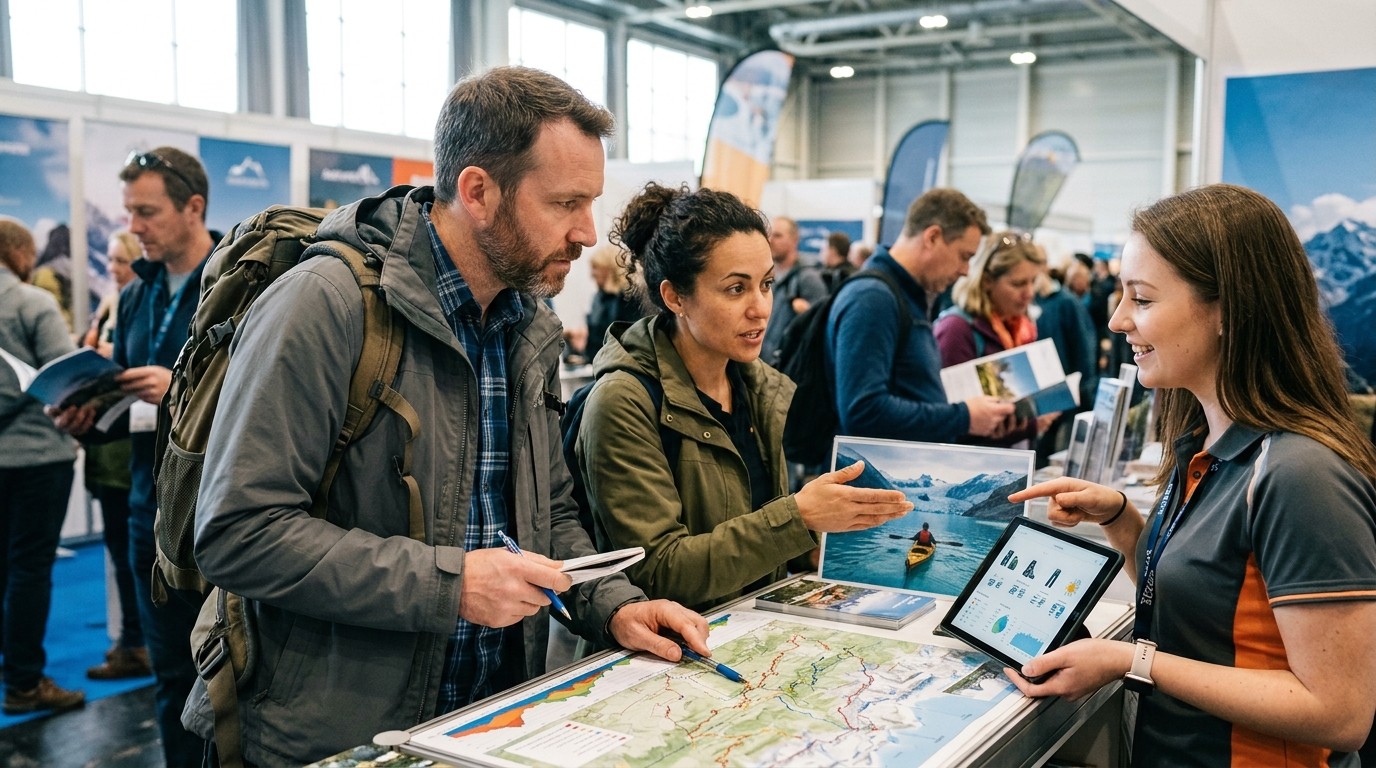
When you are on the floor at Travel and Adventure Show, ask about the best season, the ideal trip length, the hidden costs, and the kind of traveler who gets the most value. Those questions usually produce much better answers than simple price checks. Smart questions can reveal whether a trip truly fits your style, budget, and expectations.
Travel and Adventure Show is also a good place to compare similar options side by side. Two trips may look nearly identical online, but live conversation often reveals meaningful differences in pace, comfort, flexibility, or included extras. Once you ask about hidden costs or trip pacing, the value differences between options become much clearer.
If you are planning solo, use Travel and Adventure Show to ask safety and logistics questions early. A destination that feels easy to navigate, visible, and well supported will usually create a better experience from arrival to departure. The best answers usually come when the question is specific rather than generic.
Some travelers arrive with topics like Safest Cities for Solo Female Travelers in mind, and Travel and Adventure Show can help them validate those ideas with practical questions instead of relying on assumptions or social-media hype. That approach helps you compare experiences based on real-life usefulness instead of marketing polish.
How to turn inspiration into an actual trip
Travel and Adventure Show becomes most valuable after the event if you review your notes and pick a few serious options. The show gives you raw material, but the follow-up is what turns that material into a real itinerary. Comparing notes, sending emails, and reviewing options usually makes the strongest ideas stand out.
A simple follow-up plan after Travel and Adventure Show is enough: compare the top three options, send two or three emails, and decide what needs one more round of research. That keeps the planning process moving. The event becomes a planning catalyst when the next step is simple and immediate.
Travel and Adventure Show can also reduce decision fatigue because it brings multiple options into one day. Instead of scrolling endlessly, you can talk to real people, hear real suggestions, and leave with more clarity. That is how curiosity turns into a real itinerary instead of fading away.
When visitors treat Travel and Adventure Show as a planning catalyst rather than a casual outing, the event pays off much more quickly. Ideas become shortlist items, shortlist items become bookings, and the trip starts to feel real. That is usually where the strongest planning results begin.
Conclusion
The show works best when you arrive with a short list, ask sharper questions, and follow up afterward. That simple process turns a busy day of browsing into a practical planning session. For travelers who want inspiration, expert clarity, and a better sense of value, the event can be a powerful shortcut. The real advantage is not just seeing many options at once; it is leaving with enough confidence to choose one. That confidence comes from real conversations, clearer comparisons, and a better sense of what fits your budget, schedule, and travel style before you book and before you pack.
Frequently Asked Questions (FAQ)
1. What is the event best for?
It is best for travelers who want direct access to destinations, operators, and experts in one place, especially when they are still shaping a trip idea. That keeps your visit focused and easier to manage.
2. Can beginners benefit from it?
Yes. New travelers can use it to learn about destinations, compare styles, and get answers that are hard to find through scattered online research. That can save time when you are still exploring options.
3. Is it useful for budget travelers?
Yes. The show pages highlight savings, specials, and giveaways, so visitors who care about value can often find useful opportunities. That matters because cost is often one of the fastest filters.
4. Do I need a full itinerary before I go?
No. A rough budget, a few destination ideas, and a short question list are enough to make the visit productive. That simple approach keeps the day from feeling scattered.
5. Are there educational sessions?
Yes. Official pages describe multiple seminar and theater formats designed to give travelers practical guidance. That makes the learning side of the event especially useful.
6. Is it good for solo travelers?
Yes. Solo travelers can use it to ask about logistics, trip pace, and destination fit before committing. That can be reassuring when planning independently.
7. How should I prepare?
Write down your priorities, decide what you want to learn, and save notes during the event so follow-up is easier. That habit helps you act on what you learned later.
8. Does it help with booking decisions?
It can. The show makes comparison easier by putting multiple travel options, experts, and offers in the same place. That makes follow-through much simpler after the event.
9. What kind of speakers appear?
Depending on the city and year, official pages highlight well-known travel voices and editors, which adds credibility to the sessions. That kind of context can save a lot of guesswork.
10. How do I get the most from it?
Go in with a plan, ask practical questions, and focus on the few destinations or providers that can actually change your travel decision. That is usually where the strongest planning results begin.



Leave a Reply