

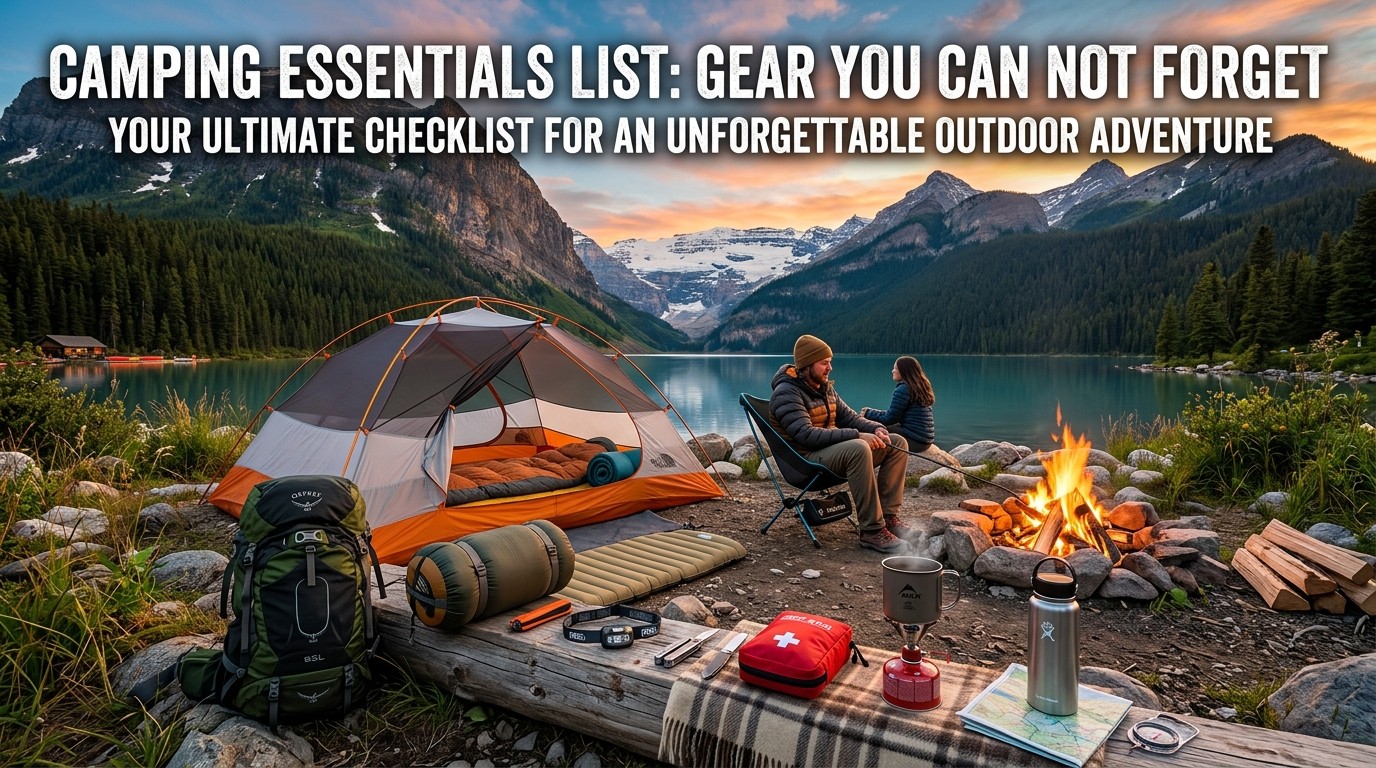
Planning a trip outdoors feels exciting, but the difference between a relaxing escape and a frustrating weekend often comes down to preparation. A well-built Camping Essentials List reduces stress before departure, saves money on unnecessary purchases, and helps you make better decisions when weather, terrain, or fatigue changes the plan.
Planning a trip outdoors feels exciting, but the difference between a relaxing escape and a frustrating weekend often comes down to preparation. A well-built Camping Essentials List reduces stress before departure, saves money on unnecessary purchases, and helps you make better decisions when weather, terrain, or fatigue changes the plan. It also supports the mental side of travel: when your pack is organized, your energy goes toward the experience instead of constant worry.
That matters because most campers do not fail from a lack of enthusiasm. They fail from small oversights. A missing lighter, a poor sleeping pad, wet socks, or a backpack that hurts after one hour can turn a fun trip into a long lesson. This Camping Essentials List is designed to prevent those mistakes while still leaving room for personal style, trip length, and budget.
The goal is not to pack everything. The goal is to pack the right things. With that in mind, this Camping Essentials List covers shelter, sleep, clothing, food, navigation, safety, hygiene, and comfort. It also explains how to think through different trip types so you can travel lighter without feeling unprepared.
Why smart packing changes the whole trip
A strong Camping Essentials List does more than fill a bag. It shapes the way you move, rest, eat, and solve problems. When gear is chosen carefully, you walk farther with less fatigue, sleep better in changing temperatures, and spend less time fixing avoidable issues. That leaves more room for the reason you came outside in the first place: to breathe, explore, and reset.
Many first-time campers think more items mean more security. In reality, too much gear creates clutter and makes every part of the trip harder. The best Camping Essentials List uses a balance of protection, efficiency, and comfort. It should feel complete without becoming heavy. It should feel practical without becoming complicated. And it should help you respond to real outdoor conditions rather than imaginary ones.
A useful mindset is to plan around outcomes. Ask what keeps you warm, dry, fed, oriented, and safe. Then test every item against those needs. If it does not improve one of those outcomes, it probably does not belong in your pack. That simple filter is one reason experienced campers rely on a Camping Essentials List before every trip, even when the route feels familiar. A Camping Essentials List also makes last-minute changes easier because it shows what must stay packed and what can be adjusted.
Shelter and sleep : the foundation of comfort
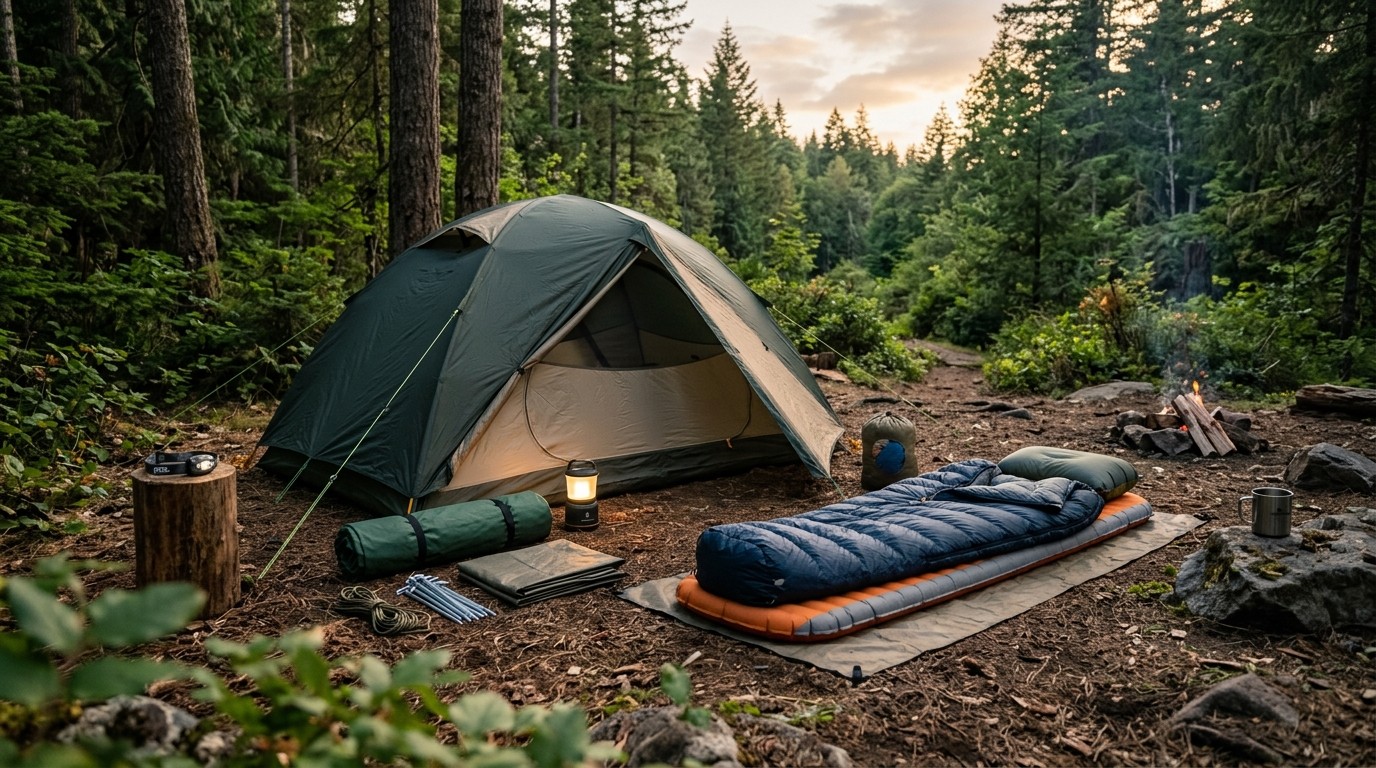
Your shelter system deserves the most attention because poor sleep ruins everything else. A dry tent, a solid groundsheet, and dependable sleep insulation create the base of every good night outdoors. When reviewing a Camping Essentials List, start with the pieces that protect your body from cold, wind, and moisture.
A tent should match the season, expected weather, and number of people. A three-season tent works for most casual trips, while more exposed conditions may require stronger fabric and better ventilation. A footprint or groundsheet can protect the tent floor from sharp rocks and damp soil. Stakes and guylines matter more than people expect because wind can test even a well-made shelter.
Sleeping gear matters just as much. A sleeping bag or quilt should match the coldest likely temperature, not the warmest forecast. A sleeping pad adds comfort and insulation from the ground, which often pulls warmth away faster than campers realize. This part of the Camping Essentials List is where comfort and survival overlap. If you sleep badly, your patience, balance, and decision-making all decline the next day.
Pillows are optional, but a small compressible pillow or a soft stuff sack can improve rest. For lighter trips, some campers use the contents of an ultralight backpack as a head cushion, though that is only a backup solution. The point is to build a sleep setup that works in real life, not only in photos. The Camping Essentials List should give you a night that restores you, not one that leaves you counting the hours until dawn. A strong Camping Essentials List also helps you avoid buying gear that looks useful but does not improve rest.
Clothing layers that keep you ready
Clothing can make or break comfort, especially when temperatures shift quickly. A good Camping Essentials List should treat clothing as a system rather than a pile of separate items. The system usually includes a base layer, a warm midlayer, a weather-resistant outer layer, and spare socks or underwear.
Start with fabrics that dry quickly and manage moisture well. Cotton may feel comfortable at home, but outdoors it holds moisture and loses performance fast. Wool and synthetics usually perform better because they help regulate temperature and stay usable after sweat or light rain. If the weather is uncertain, pack an extra insulating layer even if the forecast looks mild. Conditions at camp can be much colder than conditions on the trail.
Footwear deserves special attention. Shoes or boots should match the terrain, and broken-in footwear is far safer than brand-new gear. Blisters can end a trip early, and wet feet can quickly lead to discomfort and poor morale. Add socks that fit well and dry quickly. A spare pair in a waterproof bag is one of the most underrated items on any Camping Essentials List.
A rain shell or waterproof jacket can save a trip when weather changes fast. Gloves, a hat, and sun protection also matter because exposure happens in hot and cold environments alike. When people build a Camping Essentials List only around daytime hiking, they often miss the cold hour after sunset, which is usually when comfort drops first. Packing for that moment is a sign of experience, not caution. A practical Camping Essentials List should prepare you for the transition from movement to stillness.
A small change of clothes reserved for sleeping can improve comfort too, especially after a wet or sweaty day. Camp shoes or sandals also help feet recover after long hiking hours. These details seem minor until you skip them. Then they feel essential. A Camping Essentials List works best when it protects both comfort and hygiene.
Food, water, and the calm that comes from being fed
Food affects mood more than many campers expect. Hunger makes people impatient, careless, and tired. That is why a Camping Essentials List should always include enough food, a reliable way to prepare it, and a plan for storing it safely.
For short trips, simple meals work best. Oatmeal, wraps, trail mix, pasta, rice, dehydrated meals, fruit, nuts, and protein snacks all travel well. Choose food that is easy to portion, quick to cook, and satisfying after a long walk. Planning meals before departure also helps reduce waste and keeps your pack organized. Many campers use Weekend Trip Planning to decide what they will eat on each day, which makes shopping faster and packing more efficient.
Water is even more important. Carry enough capacity for the route, and add a filter, purifier, or treatment method when natural water sources are part of the plan. Never assume a stream is safe just because it looks clean. A smart Camping Essentials List includes both water storage and water treatment because one without the other is incomplete.
Cooking gear can be simple or elaborate, depending on the trip. A compact stove, fuel, lighter, pot, mug, utensil, and small cleaning cloth cover most needs. A windscreen can improve efficiency, and a small food bag helps keep items together. Remember that a messy kitchen area leads to lost fuel, dirty equipment, and slower camp routines. When food storage is organized, meals become a source of comfort rather than another task to manage.
Navigation and planning without confusion
Getting lost is rare on some trips and a serious risk on others, but navigation should never be an afterthought. A reliable Camping Essentials List includes the tools you need to know where you are, how far you have gone, and what comes next.
A paper map and compass remain valuable even in a phone-centered world. Batteries die, screens crack, and signals disappear. A GPS device or navigation app can be helpful, but it should be treated as one layer of support rather than the only source of truth. Mark trailheads, water points, campsites, and exit routes before you leave.
This is also where Budget Travel Planning becomes useful. Good route decisions can reduce fuel use, lower gear costs, and prevent unnecessary detours. When you understand distance, elevation, and expected pace, you can pack with more confidence and less guesswork. That confidence matters because uncertainty often leads to overpacking, and overpacking often leads to fatigue.
If the route includes rocky climbs, uneven ground, or long descents, consider how balance and traction will affect your day. Many hikers benefit from Trekking Poles Guide style thinking even on casual routes because poles reduce knee strain and improve stability. They are not mandatory for everyone, but they can change the feel of the trail for people carrying heavier loads or moving through steep sections.
Navigation is partly technical and partly psychological. When you know your plan, you feel less rushed and make better choices. A solid Camping Essentials List gives you that calm by turning uncertainty into steps you can follow.
Backpacks and load management
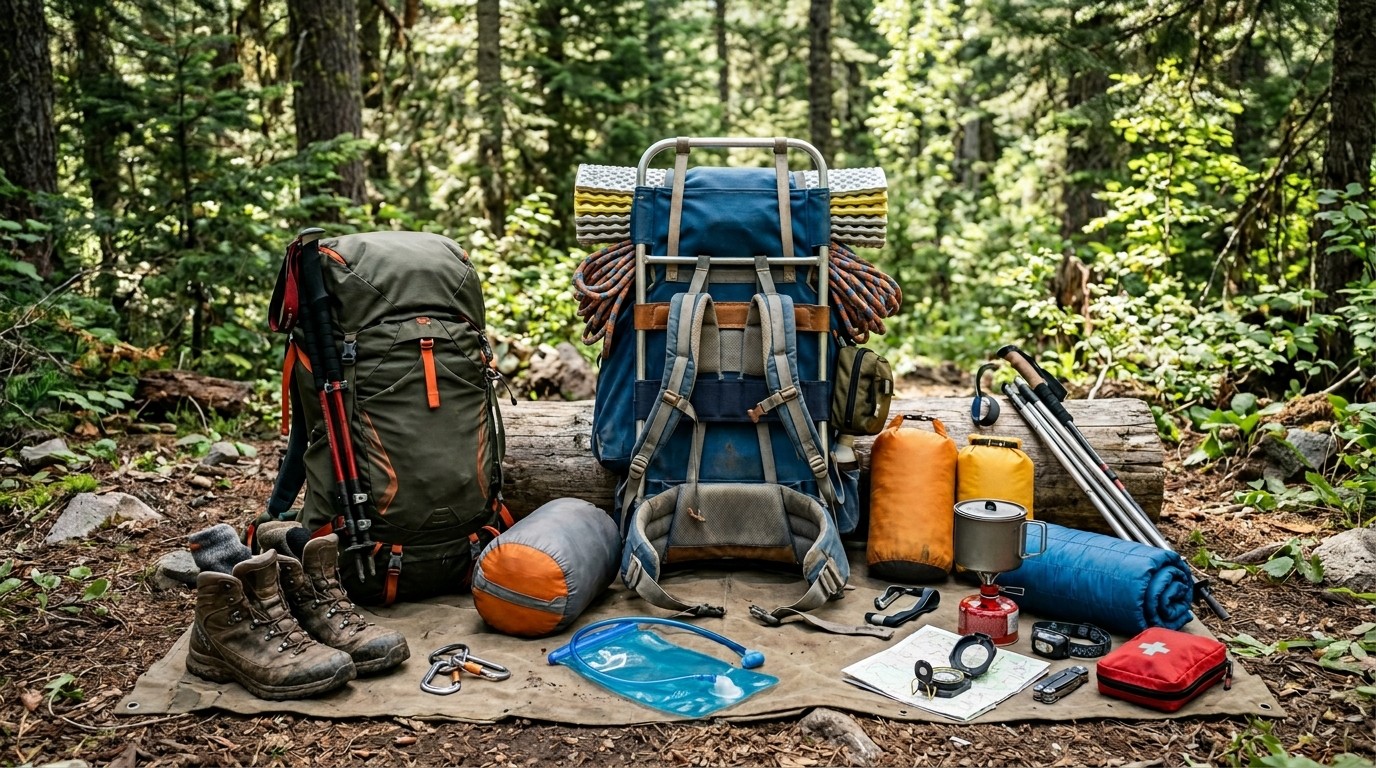
A backpack is more than storage. It is the structure that carries your whole trip. That is why the pack choice belongs near the center of any Camping Essentials List. If the pack fails, everything else becomes harder to reach, harder to balance, and harder to enjoy.
Size matters, but fit matters more. A pack that looks impressive online may be uncomfortable in real use. Hip belt support, shoulder strap shape, torso length, and load transfer all influence comfort over distance. For minimalist travelers, Ultralight Backpacks can reduce fatigue and encourage simpler packing. For heavier or longer trips, a slightly sturdier pack may be the better choice because it protects both your gear and your body.
Think about access as well. Top-loading packs can work well for organized packers, while front or panel access helps when you need to reach gear quickly. Pockets for water, snacks, and rain gear make the trip smoother. A rain cover or liner keeps important items dry during sudden weather changes.
Weight distribution matters more than many beginners realize. Heavy items should sit close to your back and near the middle of the pack. Frequently used items should stay easy to reach. This is why a clear Camping Essentials List is useful even before you start packing. It helps you decide what deserves space and what should stay home.
Comfort also affects motivation. A pack that fits well helps you keep moving with less resentment. A pack that fits poorly turns every incline into a negotiation. The right choice gives you more energy for the trail, the campsite, and the people you are with.
Tools, safety items, and the small things that matter
Some of the most important items on a Camping Essentials List are the least glamorous. A headlamp, extra batteries, knife or multi-tool, lighter, fire starter, repair tape, and small first-aid kit can solve problems that would otherwise become major disruptions.
A headlamp is better than a phone flashlight because it keeps your hands free. A first-aid kit should include basics such as bandages, blister care, antiseptic, pain relief, and any personal medication you need. You do not need a huge kit, but you do need one that matches your trip length and risk level. Minor injuries are common, and a prepared response keeps them from becoming trip-ending problems.
A multi-tool is useful for repairs, cooking, and simple campsite tasks. Duct tape or repair tape can patch a tent fly, mend a strap, or secure a loose item. A whistle can help in emergencies. Paracord or cordage can support tarp setups, hanging items, and temporary fixes. These items take up little room but offer outsized value, which is why they remain staples in every good Camping Essentials List.
Fire-starting supplies deserve redundancy. Keep a lighter and a backup method in separate places so one failure does not leave you stuck. If your route or campsite requires a stove or fire, know the rules before you go. Good preparation is not about fear. It is about reducing the number of ways a simple mistake can become an expensive one.
Hygiene, sleep quality, and the invisible side of comfort
People often focus on survival items and forget the small habits that preserve comfort. Hygiene matters because dirt, sweat, and poor sleep reduce morale. A thoughtful Camping Essentials List should include a toothbrush, toothpaste, biodegradable soap where appropriate, hand sanitizer, toilet paper or wipes, a small towel, and a trash bag for waste.
Clean hands reduce stomach issues, and a simple wash routine helps meals feel more enjoyable. A small change of clothes reserved for sleeping can improve comfort too, especially after a wet or sweaty day. Camp shoes or sandals also help feet recover after long hiking hours. These details seem minor until you skip them. Then they feel essential. A Camping Essentials List works best when it protects both comfort and hygiene.
Sleep quality also depends on routine. A consistent wind-down ritual helps the body relax after a long day. Store loud or bright items away from the sleeping area. Keep nighttime essentials in one pocket or pouch so you do not spend ten minutes searching in the dark. The best Camping Essentials List is not only about what you bring; it is about how smoothly those items work together when you are tired.
For longer trips, think about waste management and environmental respect. Pack out what you pack in, and leave the site cleaner than you found it. That habit protects the places you love and prevents the kind of mess that makes future camping less welcoming for everyone.
How to adjust your kit for different trip types
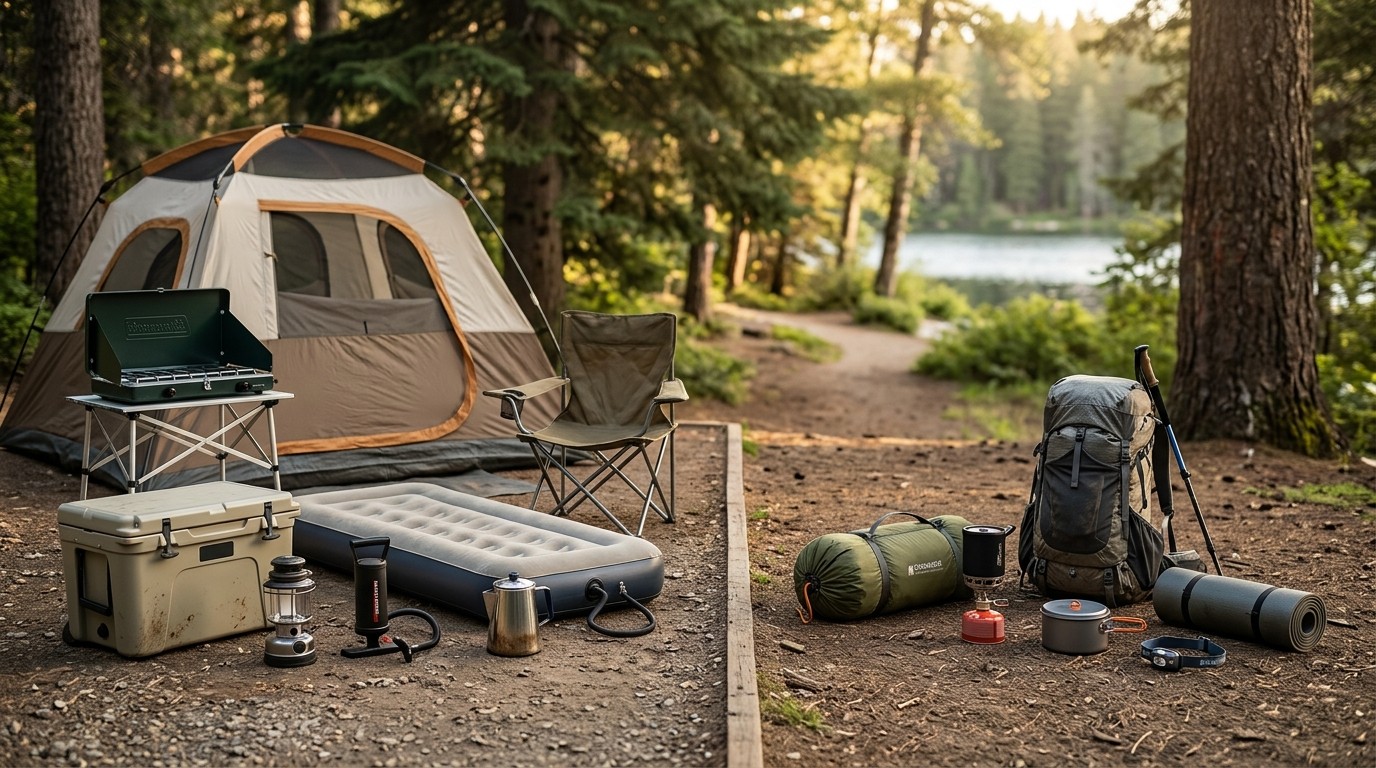
Not every trip needs the same level of packing. A weekend in a developed campground is not the same as a remote backcountry hike, and your Camping Essentials List should reflect that difference.
For car camping, comfort can take priority because transport is easy and gear weight matters less. You may bring a larger chair, bigger cooler, thicker sleeping pad, and extra comfort items. For backpacking, every ounce matters more, so the list becomes stricter and more selective. In that setting, Ultralight Backpacks and compact shelter systems can make a huge difference.
For beginner trips, aim for simplicity. Use trusted items, avoid complicated setups, and practice at home before departure. For family trips, pack for shared convenience: extra snacks, layers, and a few backup tools can save time and reduce stress. For solo travel, especially when safety and confidence are top priorities, the Camping Essentials List should emphasize navigation, communication, and lightweight redundancy.
Weather also changes priorities. Hot conditions demand sun protection, ventilation, and more water capacity. Cold conditions demand insulation, warm sleep gear, and reliable layers. Wet conditions demand dry storage, waterproofing, and faster setup. One list cannot fit every environment perfectly, but a good Camping Essentials List can adapt without becoming bloated.
The more you camp, the better you become at seeing patterns. You begin to notice which items are truly used and which items only feel comforting on paper. That learning process is valuable because it turns packing into judgment, not habit. And judgment is what makes outdoor travel feel easier over time. Over several trips, your Camping Essentials List becomes a personal system instead of a generic checklist.
Common mistakes that cause avoidable problems
Many campers pack for fear instead of function. They bring too much gear, duplicate items they never use, or ignore the items that matter most. One common mistake is choosing weight over usefulness without understanding the tradeoff. Another is assuming weather will stay stable. A better approach is to let the Camping Essentials List reflect the worst reasonable conditions, not the best possible ones.
Another mistake is failing to test gear before the trip. A stove should be checked. A tent should be practiced. A sleeping pad should be inflated and inspected. A backpack should be adjusted with weight inside it. Small testing steps reveal big problems early, and they cost far less at home than on the trail.
People also underestimate the emotional effect of poor organization. When gear is scattered, every task feels larger. When gear is grouped logically, the campsite feels easier to manage. This is why the Camping Essentials List should not only be complete but also organized in pouches, bags, or zones inside your pack.
Lastly, many campers neglect recovery. They plan hikes and meals but ignore rest. A short break, a dry layer, and a warm drink can restore morale faster than almost anything else. Outdoor trips are better when you understand that comfort is not luxury; it is part of performance.
A practical packing workflow you can repeat
The easiest way to use a Camping Essentials List is to treat it like a workflow. Start with shelter, then sleep, then clothing, then food and water, then safety, then navigation, then comfort. This order helps you prioritize items that protect health first and convenience second. A Camping Essentials List built this way is easier to review before departure and easier to trust during the trip.
Lay everything out before packing. Group items by purpose. Check each category against your route, weather, and trip length. Then remove anything that does not pull its weight. This process is simple, but it is one of the most reliable ways to avoid overpacking. It also makes the final pack easier to understand when you need to find something fast.
Before leaving, do one last review. Confirm fuel, battery charge, food, water, and weather forecast. Make sure the items you need most often are accessible. Then keep your first-aid kit, headlamp, and water treatment easy to reach. A final check turns the Camping Essentials List from a document into a field-ready system.
Over time, build your own notes. Write down what you used, what stayed untouched, and what you wish you had brought. That personal record is more useful than any generic advice because it reflects your habits, your pace, and your comfort level. The best pack is the one that improves with experience. A final Camping Essentials List check before each trip keeps those lessons active.
Conclusion
The smartest campers are not the ones who carry the most gear. They are the ones who carry the right gear, in the right amount, for the right trip. A thoughtful Camping Essentials List protects your energy, reduces waste, and makes the outdoors feel welcoming instead of chaotic. When you start with shelter, sleep, clothing, food, water, navigation, safety, and comfort, you build a trip that works in real conditions, not just ideal ones. That is why preparation matters so much. It gives you freedom. It helps you move confidently. And it lets you focus on the quiet reward of being outside, where the day feels simpler and the mind finally has space to breathe.
Frequently Asked Questions (FAQ)
1. What should always be on a Camping Essentials List?
A Camping Essentials List should always include shelter, sleep gear, clothing layers, food, water, navigation tools, safety items, and basic hygiene supplies. Those categories cover the core needs of comfort and protection.
2. How do I keep my Camping Essentials List light?
Focus on multi-use gear, remove duplicates, and choose items based on the actual trip rather than imagined emergencies. Lightweight planning works best when every item has a clear job.
3. Is a sleeping pad really necessary?
Yes, because it improves insulation and comfort. Even warm nights can feel cold once the ground pulls heat away from your body. A pad is one of the most valuable items in a Camping Essentials List.
4. How do I decide between a larger pack and an ultralight pack?
Choose based on load, distance, and comfort. Ultralight Backpacks work well for minimalist trips, while larger packs may feel better when you need more structure or extra capacity.
5. Do I need trekking poles for every hike?
No, but they are useful on steep, uneven, or long trails. They can reduce strain and improve balance, especially when carrying a heavier load or moving over rough ground.
6. What food is easiest to pack for camping?
Choose simple, durable foods such as oats, trail mix, wraps, dehydrated meals, nuts, pasta, and snacks. They are easy to store, fast to prepare, and reliable during long days outdoors.
7. How much water should I bring?
Bring enough for the route plus a margin for heat, effort, and delays. Add a filter or purification method when water sources are part of the plan.
8. What is the biggest mistake beginners make?
They often overpack low-value items while forgetting essentials like insulation, lighting, or water treatment. A strong Camping Essentials List prevents that imbalance.
9. How often should I review my camping gear?
Review it before every trip. Conditions change, gear wears out, and your own preferences evolve. A quick review keeps your Camping Essentials List useful and current.
10. Can I use the same list for car camping and backpacking?
Yes, but with adjustments. Car camping allows more comfort items, while backpacking needs stricter weight control. The base structure stays the same, but the pack size and gear choices change.




Leave a Reply