

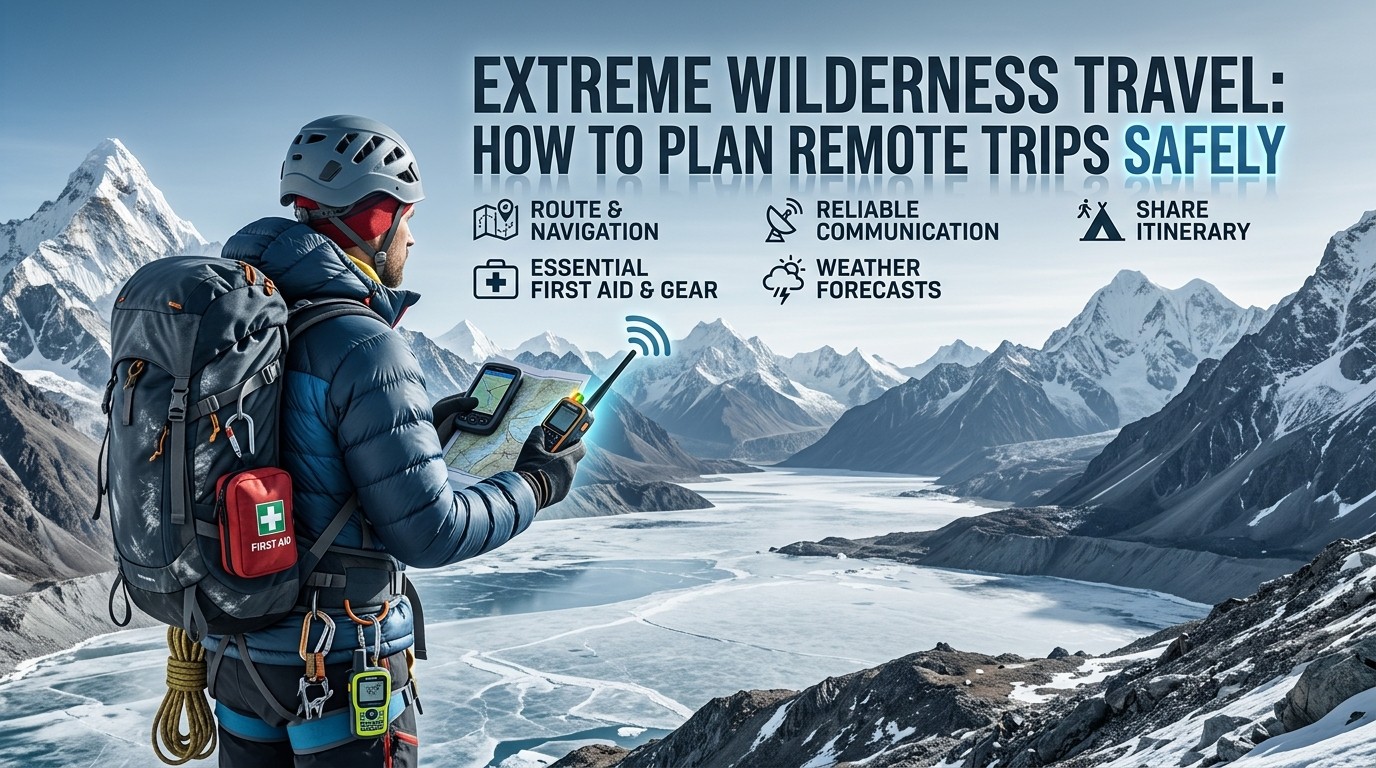
Extreme Wilderness Travel rewards careful planning, steady judgment, and a calm respect for remote environments, because the farther you go from help, the more every decision matters.
Extreme Wilderness Travel is not the same as a scenic weekend hike or a casual nature escape. Remote travel changes the rules because distance, weather, terrain, and limited communication all stack together at once. In ordinary travel, a mistake can often be corrected quickly. In remote settings, a small error can become expensive, stressful, or dangerous. That is why the first thing to develop is not courage, but discipline. You need to think in layers: route, weather, gear, backup plans, timing, and emergency response.
Extreme Wilderness Travel also asks for emotional honesty. Many people imagine that a remote trip will automatically feel freeing, but the reality is more complex. The same silence that feels peaceful on a photo can feel heavy when you are tired, uncertain, or isolated. A good plan respects both the beauty and the pressure of the environment. When you prepare with that mindset, the trip becomes more rewarding and less fragile.
A useful way to think about the trip is to ask three questions before every decision. What could go wrong? How likely is it? What would I do next? That simple habit helps keep the journey from becoming a chain of assumptions. Extreme Wilderness Travel is safest when you treat every choice as part of a system rather than as an isolated action.
The psychology of remote confidence
People often overestimate what they can manage when the weather is good and their energy is high. Confidence is useful, but false confidence is expensive. Extreme Wilderness Travel should be built on quiet confidence, the kind that comes from practice, checklists, and honest self-assessment. If you know your limits, you can push them carefully. If you do not know your limits, the environment will usually reveal them for you.
The psychological challenge is not only fear. It is also excitement. A big destination can make people feel more capable than they are. Extreme Wilderness Travel requires enough restraint to avoid turning excitement into risk. You do not need to reject ambition. You need to pair ambition with structure.
Choose a Destination That Matches Your Experience
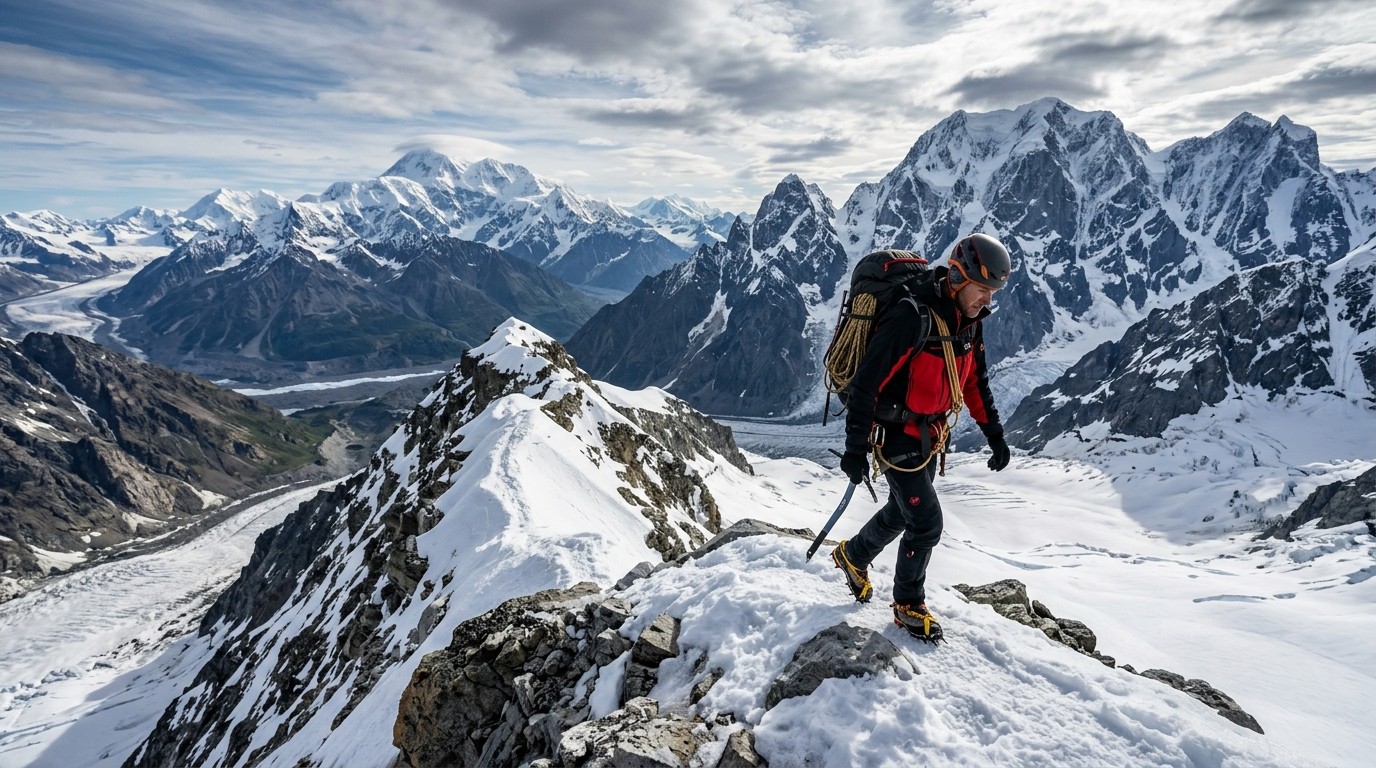
Extreme Wilderness Travel begins with destination selection. Not every remote place is appropriate for every traveler, and not every season is the right time to go. A route that looks manageable online can behave very differently in wind, rain, heat, cold, or darkness. The smartest approach is to choose a destination that matches your current skill level, your available time, and your ability to retreat if conditions deteriorate.
Extreme Wilderness Travel becomes much safer when the destination has a clear access point, a realistic route length, and a known set of seasonal conditions. Ask what the terrain looks like, what the weather usually does, how quickly help can arrive, and whether the area is truly suitable for your goals. If the route is too long, too technical, or too isolated for your current level, the trip should be adjusted, not forced.
A good remote destination also has to fit the reason you are going. Some people want reflection, some want physical challenge, and some want wildlife or photography. Extreme Wilderness Travel is more satisfying when the destination serves a clear purpose. If the goal is solitude, choose a place that is calm. If the goal is endurance, choose a place that is demanding but realistic. If the goal is a first serious trip, prioritize predictability over spectacle.
Match terrain to your skill
The best remote route is not the most dramatic one. It is the one you can complete safely while still learning something. Extreme Wilderness Travel should be a progression, not a leap into the deep end. That means building experience in stages: easier solo outings, moderate backcountry routes, and then more demanding expeditions.
You should be able to answer basic questions before you go: How long will the route take? Where is water available? Where are the exit points? What will the weather do to the terrain? If those answers are unclear, the trip is not ready yet.
Research Before You Leave Home
Extreme Wilderness Travel starts long before departure day. Research is the foundation that keeps a remote trip from becoming guesswork. Study the route, local weather patterns, access roads, trail conditions, park rules, and emergency contacts. Read recent trip reports if they exist. Check whether there are closures, seasonal hazards, or special permit requirements. Good research saves energy later because you are not trying to improvise from zero in the field.
Extreme Wilderness Travel is also shaped by local knowledge. Speak to rangers, guides, land managers, or experienced visitors who know the area. Ask what has changed recently. Ask what people underestimate most often. Ask what the biggest hazards are in the current season. That kind of practical detail often matters more than glossy travel content. It helps you replace fantasy with reality before you leave.
A strong research phase also includes checking weather windows. Remote places can shift quickly with rain, snow, heat, or storms. Extreme Wilderness Travel is safer when you are willing to delay the trip for the right conditions. Leaving one day later is usually better than arriving one day too early into a bad forecast.
Build a route profile
Make a written route profile that includes the trail or road name, distance, elevation, water sources, campsites, exit options, and communication gaps. Extreme Wilderness Travel is easier to manage when the plan is written down clearly enough that another person could understand it. This is not paperwork for its own sake. It is a clarity test.
A route profile should also include timing. What time will you start? What is your turn-back time? What is the latest reasonable arrival time for each checkpoint? If the answers are vague, the trip is more likely to drift into trouble.
Understand the Real Risks
Extreme Wilderness Travel can expose you to more than one category of risk at once. There are obvious physical risks like injury, dehydration, exposure, and getting lost. There are also less visible risks like fatigue, poor judgment, delayed response, and communication failure. The safest travelers think in categories instead of assuming one problem at a time.
Fatigue is one of the most underestimated hazards. A tired mind makes poorer choices, and a tired body moves less efficiently. Extreme Wilderness Travel becomes risky when travelers ignore the early signs of fatigue and keep pushing just because they planned a long day. A smart trip leaves room for slower movement and more rest than a city schedule would suggest.
Weather is another major risk because it can change the meaning of every decision. A dry crossing can become a flood, a cool route can become a heat trap, and a clear descent can become a darkness problem. Extreme Wilderness Travel gets much safer when the weather forecast is treated as part of the route, not just a background detail.
Hidden risks matter too
Small failures are often what create big problems. A dead battery can break navigation. A twisted ankle can end a hike. A wet layer can trigger cold stress. A minor stomach issue can reduce energy enough to affect judgment. Extreme Wilderness Travel is safer when you plan for these small failures before they happen.
That means carrying redundancy where it matters. Spare power, a backup map, first aid supplies, extra food, and a way to signal for help are not luxuries. They are practical answers to common failure points.
Gear Should Solve Problems, Not Impress Anyone
Extreme Wilderness Travel does not require the most expensive equipment. It requires equipment that solves the actual problems you may face. The most important gear is the gear you know how to use. A complicated system is often worse than a simple one if you cannot operate it easily under stress. When choosing gear, ask what problem each item solves and whether it works in the conditions you expect.
Think in functions. Navigation keeps you oriented. Lighting keeps you moving safely after dark. Shelter keeps you protected from wind and rain. Insulation helps manage temperature. Food and water keep you functional. First aid helps you handle minor injuries before they become major ones. Communication keeps you connected if trouble develops. Extreme Wilderness Travel gets safer when each of these functions is covered in a practical way.
The essentials to prioritize
A strong system often includes: a reliable pack, comfortable footwear, layered clothing, a weather-appropriate shelter, a light source, a compass or offline map, a charged phone or satellite device, a power bank, a water filter or treatment method, food you can eat quickly, and a small medical kit. Extreme Wilderness Travel should not depend on a single point of failure.
Test your gear before the trip
Never make the first use of important equipment happen in the field. Test the tent, the stove, the headlamp, the filter, the boots, and the navigation app ahead of time. Extreme Wilderness Travel becomes much safer when familiarity replaces uncertainty. If something is awkward on day one, it will be more awkward when you are tired and remote.
Communication is Part of Safety
Extreme Wilderness Travel should never be a silent mystery to everyone else. Someone should know where you are going, what route you are taking, when you expect to return, and when they should worry. That trusted contact is not just a formality. It is one of the most important parts of the trip because it creates a response if something goes wrong.
Communication planning should include your check-in times, your backup method if cell coverage fails, and your escalation point if you miss contact. Extreme Wilderness Travel is more manageable when a trusted person has enough detail to notice if something is unusual. The goal is to make your absence recognizable, not invisible.
Build a communication stack
A communication stack might include a smartphone, offline maps, a spare battery, a printed route, and a satellite messenger or emergency beacon if the environment justifies it. Extreme Wilderness Travel works best when no single device carries all the responsibility. Technology is useful, but redundancy is what makes it dependable.
Keep check-ins simple
Do not make check-in messages complicated. A short, predictable message works best. For example: arrived, on route, camped, delayed, safe, or returning. Extreme Wilderness Travel is easier to monitor when your messages are standard and easy to interpret.
Navigation in Remote Terrain
Extreme Wilderness Travel often goes wrong when people assume navigation is only about following a line on a screen. In remote terrain, navigation is a continuous process of observation, decision, and confirmation. Your map is not just a tool for finding the route. It is a tool for understanding the terrain, identifying landmarks, and recognizing when you are no longer on the path you expected.
A reliable navigation approach uses multiple tools. A phone map is helpful, but it should not be the only tool. A paper map and compass remain valuable because batteries fail, screens crack, and signal disappears. Extreme Wilderness Travel becomes safer when you know how to orient yourself without depending entirely on digital convenience.
Break the route into decisions
A long route is easier to manage when you divide it into sections. Where is the next water source? Where is the next elevation change? Where can you safely stop? Where would you retreat if conditions change? Extreme Wilderness Travel is less stressful when you think in checkpoints rather than in one endless stretch.
Watch the land, not just the app
Maps are useful, but the land is what matters. Trail shape, slope, wind exposure, water flow, and visibility all affect the actual difficulty of the day. Extreme Wilderness Travel rewards the traveler who keeps looking up and reading the terrain instead of staring down at the screen for too long.
Weather, Season, and Timing
Extreme Wilderness Travel is often shaped by season more than by distance. A route that feels moderate in one season can become serious in another. Snow, mud, rain, heat, wildfire smoke, and short daylight hours all change how much risk you are carrying. That is why timing should be considered part of planning, not a last-minute detail.
The safest trips match the season to the route. Heat-prone areas should be approached with extra water and early starts. Cold areas should be planned with insulation and shorter daily distance. Wet regions should be approached with drainage awareness and flexible schedules. Extreme Wilderness Travel becomes more predictable when you stop thinking of the environment as a backdrop and start thinking of it as a moving factor in your schedule.
Morning often beats evening
Early starts can provide cooler temperatures, better visibility, and more time to adjust if something slows you down. Extreme Wilderness Travel benefits from the additional buffer that morning creates. If the day goes smoothly, you gain margin. If the day becomes difficult, you still have daylight left.
Build weather delays into the plan
Do not plan every day as if the forecast will be perfect. Remote travel deserves extra slack. Extreme Wilderness Travel is safer when one bad weather day does not collapse the whole itinerary.
Food, Water, and Energy Management
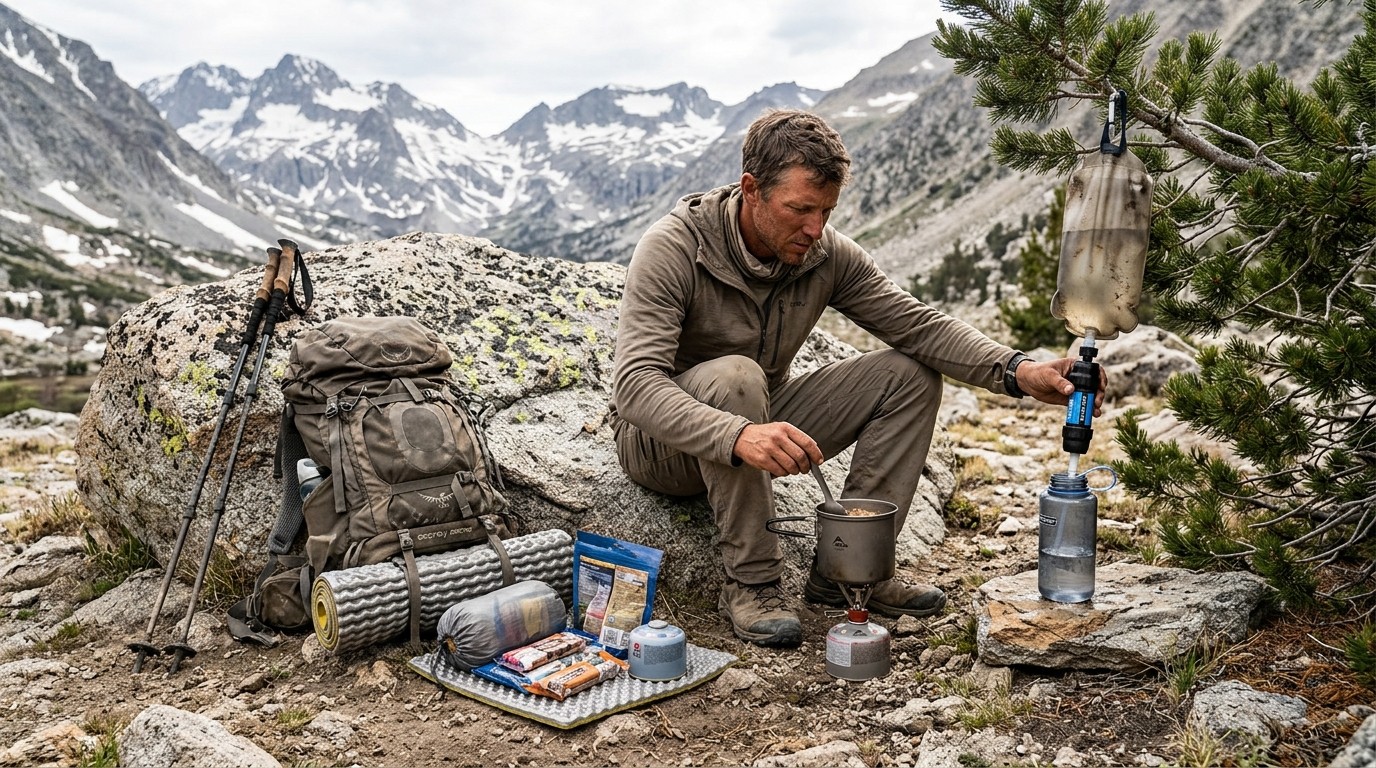
Extreme Wilderness Travel requires careful fuel planning. Food and water are not just comfort items. They directly affect judgment, endurance, mood, and recovery. Once energy drops too low, decision quality usually drops too. That means you should eat before you are starving and drink before you are thirsty.
Water planning should be based on route difficulty, temperature, and access to refill points. If water is scarce, know your treatment method and understand the quality of available sources. Food should be simple, durable, and easy to eat under stress. Extreme Wilderness Travel is easier when your meals support consistent energy rather than creating extra work.
Keep food practical
Choose food that travels well, holds up in changing temperatures, and can be eaten without difficult preparation. If the route becomes longer than expected, a practical food supply can keep you moving without mental strain.
Hydration affects judgment
A tired mind and a dehydrated body often make the same mistake: they slow down decision-making. Extreme Wilderness Travel should include hydration as a daily discipline, not as an occasional correction.
Know When to Turn Back
Extreme Wilderness Travel becomes much safer when turning back is treated as a smart decision rather than a failure. Many accidents happen because a traveler feels committed to the original plan even when conditions have changed. Pride is expensive in remote settings. The best travelers understand that changing the plan is often the reason they get to travel again later.
A turn-back decision can be based on weather, fatigue, time, terrain, water, visibility, or a medical issue. The important thing is to define those triggers before the trip. Extreme Wilderness Travel is more predictable when you make retreat normal before you ever need it. That way, the choice feels disciplined rather than emotional.
Discomfort is not the same as danger
You will probably be uncomfortable at some point. That does not automatically mean the trip is unsafe. The challenge is to distinguish ordinary discomfort from actual risk. Extreme Wilderness Travel rewards the traveler who can make that distinction calmly.
Retreat preserves future trips
Turning back early may save the rest of the journey. It protects your body, your gear, and your confidence. Extreme Wilderness Travel is a long-term practice, not a one-time test.
Solo Travel and Remote Independence
Some people are drawn to remote travel because they want independence. That is understandable. There is something deeply satisfying about handling difficult terrain with your own judgment. Best Asia Solo Travel Destinations in a remote place should not be romanticized. It requires more caution because there is no partner to notice your mistakes or share the load.
If you are traveling alone, your planning should be even tighter. Share your itinerary, keep your route conservative, and avoid overreaching. Extreme Wilderness Travel is absolutely possible in solo form, but the solo version depends even more on preparation, restraint, and communication. Independence is strongest when it is built on good systems.
Solo does not mean unsupported
Even if you are alone on the route, you are still part of a larger safety network. A trusted contact, a local point of reference, and a realistic rescue plan all matter. Extreme Wilderness Travel is safer when “solo” still includes a support structure.
Insurance, Permits, and Practical Logistics
Extreme Wilderness Travel also involves non-glamorous details like permits, fees, access rules, insurance coverage, and emergency costs. Those details can seem small during planning, but they matter a lot if a problem occurs. Check whether the area requires permits or registration. Make sure your insurance matches the activity and the country. Understand what evacuation would cost if you needed it.
Logistics also includes transport to and from the trailhead or base point. If the area is remote, consider how long it takes to reach food, fuel, lodging, or medical care. Extreme Wilderness Travel is safer when the trip has a realistic arrival and exit system. Travel Hacking Miles can sometimes make long-haul transport more affordable, while Overseas Adventure Travel is a reminder that structured remote travel usually relies on clear logistics and strong support planning.
Keep backup payment access
Remote travel can create payment issues just when you need flexibility most. Carry a backup method of payment and keep some resources separate in case of loss or delay.
Cultural Respect and Local Knowledge
Extreme Wilderness Travel should never ignore the people who live near the places you visit. Local knowledge can reveal weather changes, route issues, wildlife activity, access restrictions, and safer timing. Often the most useful advice comes from people who know the area well and have seen the land change across seasons.
Respect also matters because remote travel often takes place in or near communities that have their own rules and rhythms. Extreme Wilderness Travel should be approached with humility. Ask before entering sensitive areas. Follow local guidance. Leave the area better than you found it. That attitude tends to earn better information and a better reception.
A Practical Planning Table
| Planning Area | What to Decide | Why It Matters |
|---|---|---|
| Destination | Match route to skill | Prevents overreach |
| Season | Choose the right window | Changes safety drastically |
| Route | Know exits and water | Reduces uncertainty |
| Gear | Cover real problems | Prevents small failures |
| Communication | Share itinerary and check-ins | Enables response |
| Food and water | Pack for delay | Protects judgment |
| Turn-back rules | Set limits before leaving | Avoids ego decisions |
Common Mistakes to Avoid
Extreme Wilderness Travel often becomes risky because of ordinary mistakes, not dramatic ones. The most common errors include underestimating the weather, overpacking the schedule, relying on one device, skipping a route review, and failing to tell someone the plan. A second group of mistakes comes from emotion: wanting to prove something, feeling rushed, or ignoring fatigue because the destination is exciting.
The best way to avoid those mistakes is to slow the process down before departure. Double-check the route. Review the forecast again. Test the gear. Make the check-in plan. Confirm the transport plan. Extreme Wilderness Travel rewards the person who is thorough without becoming obsessive. Good planning is a rhythm, not a panic.
Self-Assessment Before Departure
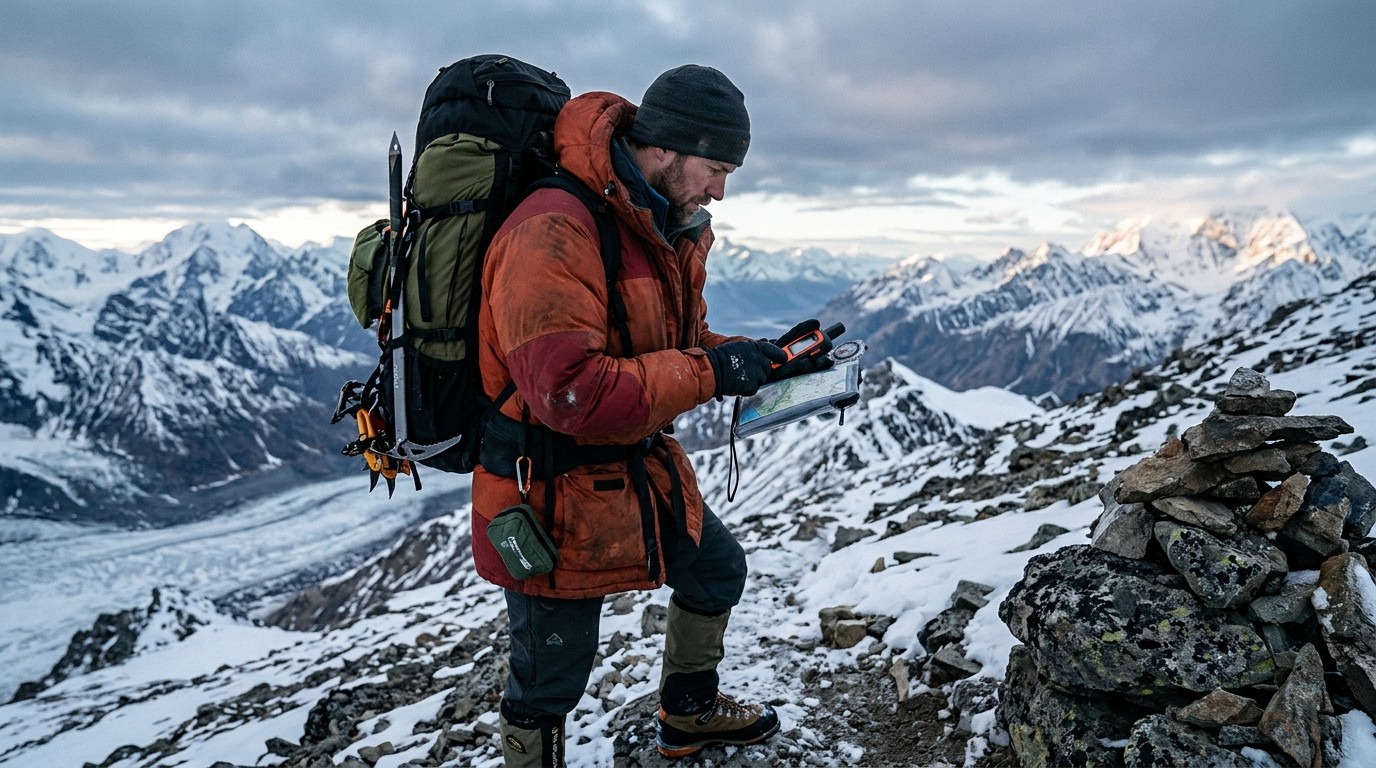
Ask yourself whether the trip matches your current experience. Ask whether you know how to navigate if the phone dies. Ask whether you can stay calm if the weather changes. Ask whether you can turn back without feeling defeated. Extreme Wilderness Travel is safest when these questions are answered honestly.
A strong self-assessment also includes fitness and recovery. You do not have to be an athlete, but you should know how your body handles long days, uneven terrain, heat, cold, or altitude. If any of these are uncertain, choose a more forgiving route or shorten the trip.
Emotional Preparation
Extreme Wilderness Travel is not only physical. It is emotional too. Remote places can create awe, but they can also create loneliness, doubt, and mental fatigue. Preparing for those feelings does not make you weak. It makes you ready. If you know that isolation can feel heavy after a long day, you can plan small stabilizers like a warm drink, a routine, a journal, or a simple evening reset.
Emotional preparation also helps with decision quality. When you feel centered, you are less likely to make a reckless choice. Extreme Wilderness Travel becomes more enjoyable when your mind has enough space to process what the environment is asking of you.
What Makes a Trip Truly Successful
The best remote trip is not the one with the most extreme story. It is the one where you return safely, having respected the place, learned from the experience, and preserved your confidence for the future. Extreme Wilderness Travel should leave you stronger, not merely impressed. Success is measured by safe return, sound judgment, and the quiet satisfaction of having managed something difficult well.
If you can plan a route carefully, move patiently, adapt to changing conditions, and come home healthy, then the trip has done its job. Extreme Wilderness Travel becomes meaningful when it teaches you to trust preparation, respect limits, and appreciate the privilege of reaching remote places responsibly.
Final Field Reminders
- Extreme Wilderness Travel rewards patience, and Extreme Wilderness Travel rewards backup planning.
- Extreme Wilderness Travel rewards simple gear, and Extreme Wilderness Travel rewards familiar systems.
- Extreme Wilderness Travel rewards early starts, and Extreme Wilderness Travel rewards conservative turn-backs.
- Extreme Wilderness Travel rewards clear routes, and Extreme Wilderness Travel rewards written checklists.
- Extreme Wilderness Travel rewards local advice, and Extreme Wilderness Travel rewards seasonal awareness.
- Extreme Wilderness Travel rewards hydration, and Extreme Wilderness Travel rewards steady fuel.
- Extreme Wilderness Travel rewards communication, and Extreme Wilderness Travel rewards trusted contacts.
- Extreme Wilderness Travel rewards redundancy, and Extreme Wilderness Travel rewards spare power.
- Extreme Wilderness Travel rewards honesty, and Extreme Wilderness Travel rewards realistic goals.
- Extreme Wilderness Travel rewards humility, and Extreme Wilderness Travel rewards restraint.
- Extreme Wilderness Travel rewards preparation, and Extreme Wilderness Travel rewards a safe return.
Conclusion
Extreme Wilderness Travel is most rewarding when it is planned with humility, patience, and attention to detail. Remote environments demand more than enthusiasm; they demand clear thinking, good timing, reliable gear, and a willingness to change plans when conditions shift. The safest travelers understand that reaching a destination is never more important than returning well. That mindset turns a risky outing into a controlled adventure, and it gives you the freedom to explore remote places without treating caution like weakness. When you respect the land, prepare thoroughly, and move conservatively, the journey becomes both safer and far more satisfying.
Frequently Asked Questions (FAQ)
1. What is Extreme Wilderness Travel?
Extreme Wilderness Travel means entering remote, challenging environments where planning, self-reliance, and risk management are essential.
2. Is it suitable for beginners?
It can be, but beginners should start with easier routes, good access, and strong safety backups before attempting harder remote trips.
3. What is the biggest safety priority?
The biggest priority is having a realistic plan: route, weather, gear, communication, and a clear turn-back rule.
4. Why is communication so important?
Because in remote areas, help may be delayed. A trusted contact and check-in plan can trigger a response if something goes wrong.
5. What gear matters most?
Navigation tools, shelter, insulation, light, food, water, first aid, and backup power are among the most important items.
6. How do I know if a destination is too difficult?
If the route, season, access, or rescue options do not match your current skill level, the trip is likely too difficult for now.
7. What should I do if the weather changes?
Follow your pre-set rules. If conditions move beyond your comfort or safety limits, reduce exposure, adjust the route, or turn back.
8. How much food and water should I bring?
Enough to handle delays, extra exertion, and unexpected changes. Remote trips should always include buffer capacity.
9. Is solo travel a bad idea?
Not necessarily, but solo remote travel requires more discipline, more conservative planning, and more communication with someone on the outside.
10. What makes a remote trip successful?
Safe return, sound decisions, respect for the environment, and the confidence to travel again are the clearest signs of success.




Leave a Reply