


In today’s digital landscape, the call to venture beyond city lights has never been stronger. Wild travel offers an escape from routine, inviting explorers to experience remote valleys, rugged mountain ridges, and silent forests untouched by mass tourism. Today, dedicated adventurers can plan meaningful excursions that blend physical challenge with spiritual renewal, forging connections with the environment and local cultures. This comprehensive guide provides a step-by-step approach to wild travel, covering everything from initial research and gear selection to safety protocols and environmental ethics. Whether you’re mapping out a solo trek or organizing a small group expedition, these insights will help you navigate each phase with confidence.
This year (2026), budgets are tight, and technology evolves rapidly, but the essentials of off-grid exploration remain constant. By focusing on preparedness, sustainability, and respect for nature, travelers can minimize risk and maximize enjoyment. You will learn how to secure necessary permits, choose versatile equipment, and adopt a flexible itinerary that responds to changing conditions. Throughout the article, authoritative resources such as the National Park Service and peer-reviewed scientific publications are recommended to support your plans. As you read on, imagine the wind on your face, the quiet of dawn in a wilderness camp, and the rich tapestry of species that thrive beyond the beaten path. Prepare to embark on an adventure that challenges and uplifts, a wild travel experience designed to last a lifetime.
Mapping Out Your Wild Travel Adventure
Research & Permits
Planning a successful wild travel expedition begins with thorough research into the region you intend to explore. Start by visiting official websites such as the National Park Service (https://www.nps.gov) or relevant park and reserve portals to verify trail conditions, seasonal closures, and permit requirements. Many protected areas enforce daily quotas to preserve sensitive ecosystems, so it is essential to apply well in advance. In addition to government sites, consult university research centers or recognized adventure travel forums where recent trip reports can shed light on emerging hazards like washouts or wildlife activity. Document everything in a centralized digital folder, noting application deadlines, permit fees, and mailing addresses.
Additionally, investigate local rules about campfires, waste disposal, and drone usage to avoid fines or environmental harm. Some areas controlled by tribal authorities or conservation NGOs have unique guidelines—respect cultural sites and follow community recommendations. Check scientific publications or university studies for wildlife migration patterns that might restrict access during breeding seasons. Staying informed will not only ensure legal compliance but also enhance your appreciation for the delicate interplay between ecosystems and human activity.
Timing & Weather Factors
Choosing the optimal season can dramatically affect the quality and safety of your wild travel adventure. Mountainous regions may be accessible only during late summer, while coastal trails might be subject to tidal variations and storms. Aim for shoulder seasons—spring and autumn—when insect populations are lower, crowds diminish, and temperatures remain moderate. Check long-range forecasts from reputable services such as the National Oceanic and Atmospheric Administration (https://www.noaa.gov) to anticipate sudden weather shifts. Packing appropriate layers, rain gear, and cold-weather accessories is critical, but scheduling flexibility is the first line of defense against unexpected storms or heatwaves.
Altitude, daylight hours, and trail difficulty all factor into your timing decisions. In high-elevation zones, weather can switch from sunlit tranquility to sudden snow flurries within hours. Likewise, river levels in alpine watersheds may swell swiftly as snowmelt accelerates in late spring. Monitor stream gauge data published by government agencies and adjust water-crossing plans accordingly. Customizing your departure date based on these variables helps reduce risk and makes for more predictable daily mileage.
Emergency & Backup Plans
A meticulous backup plan can mean the difference between a memorable adventure and a dangerous ordeal. Prepare a detailed itinerary that outlines daily routes, camping locations, water sources, and possible exit strategies. Share this document with a trusted contact and update them if your schedule changes. Carry a satellite messenger or personal locator beacon capable of transmitting GPS coordinates in areas without cell service. Familiarize yourself with basic search-and-rescue protocols and practice emergency signaling using mirrors, whistles, or flares. Always allocate buffer days in your timetable to account for injuries, equipment failures, or adverse weather, ensuring you maintain control of your Solo Travel for Personal Growth experience.
Invest in basic wilderness first aid training offered by respected organizations such as SOLO or Red Cross wilderness courses. Equip your kit with essentials like hemostatic dressings, emergency blankets, and waterproof fire starters. Before departing, learn to improvise splints using trekking poles or natural materials. Understand how to address altitude-related illnesses by recognizing symptoms such as dizziness or breathlessness. Maintaining mental composure during a crisis—practiced with simulated scenarios at home—reinforces sound decision-making when stakes are high on a remote trail.
Equipping Yourself for Untamed Terrains
Backpacks & Shelters
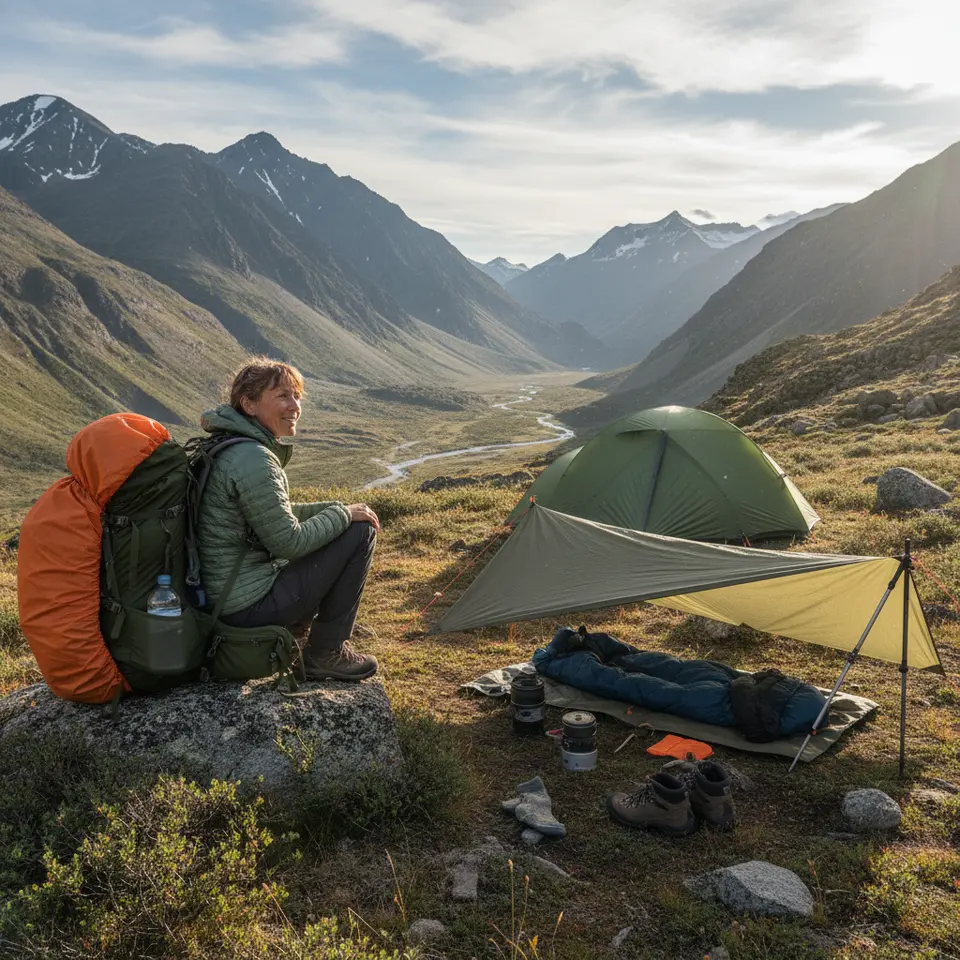
Selecting the right pack and shelter system is a cornerstone of every wild travel expedition. For multi-day treks, a 45–60 liter backpack with adjustable suspension ensures comfort and load stability over varied terrain. Look for models with a dedicated rain cover and integrated pockets for quick access to essentials like maps and snacks. When choosing a shelter, prioritize shape and weight: a freestanding, three-season tent typically provides a balance of protection against wind and rain while remaining durable. Ultralight tarp or bivy configurations suit off-trail routes where every ounce counts; however, they require proficient setup skills and careful site selection to avoid damage.
Consider weight distribution and ventilation features when packing heavy loads; poorly organized gear often leads to back pain or instability on uneven ground. Partner with gear testing resources or university material science publications that evaluate fabric durability under stress conditions before making purchases. Tents with quick-pitch poles or modular components speed up setup at dusk. For ultralight enthusiasts, a simple tarp combined with a bivy sack may save significant grams but demands advanced site selection to mitigate exposure to wind-driven rain and insects.
Layered Clothing Strategies
A modular layering system empowers you to adapt to shifting temperatures and precipitation during your wild travel. Begin with a moisture-wicking base layer crafted from merino wool or technical synthetics to regulate body temperature and reduce chafing. Add an insulating mid-layer, such as a down or synthetic puffy jacket, to retain warmth during rest periods. Top it off with a waterproof-breathable shell designed to repel rain and block wind. Accessories like gaiters, gloves, and a sun hat extend protection, while removable options allow for rapid adjustments. Always pack a lightweight camp-specific outfit to maintain comfort at your overnight site.
Selecting fabrics that compress well into your pack reduces bulk and frees up room for additional safety items. Some newer merino blends incorporate insect repellent treatments, offering double duty in certain regions. Test each garment under load during day hikes to ensure freedom of movement and comfort before committing to longer trips. Remember that layering strategies differ for coastal, desert, or alpine environments; tailor your kit to specific climatic challenges of your destination.
Navigation Tools
Even in today’s connected environment, traditional navigation skills remain invaluable for wild travel. Carry a detailed topographic map and a reliable compass as your primary navigation pair, and learn to triangulate positions accurately. A handheld GPS device or smartphone app with offline maps serves as a helpful backup, but battery life and signal loss can cause failures. Supplement these with landmarks, track logs, and waypoints recorded in your journal. Investing in a solar charger or power bank ensures electronic devices remain operational throughout extended journeys.
Familiarity with map symbology and contour patterns enables quick assessment of slope angles and potential hazards like cliff faces or marshy areas. Practice pacing techniques—counting steps to estimate distance traveled in low-visibility scenarios—and use GPS altimeter functions to track elevation gain. Before departure, download offline resources from reputable sources such as the US Geological Survey to avoid relying solely on commercial platforms.
Cooking & Hydration Systems
Food and water management is vital for morale and health when venturing far from civilization. A compact stove—such as an isobutane canister or alcohol model—allows you to prepare hot meals efficiently. Choose lightweight cookware and nesting utensils to optimize space. For hydration, use a multi-stage filter or ultraviolet purification pen to treat water from natural sources, minimizing the risk of gastrointestinal illness. Carry collapsible bottles or a hydration bladder that integrates with your pack system. Plan daily calorie and fluid targets based on exertion levels, altitude, and ambient temperature to maintain energy and prevent dehydration.
Explore meal pre-planning with dehydrated or freeze-dried ingredients for a lighter pack, supplementing with foraged edible plants if you possess proper botanical knowledge and local permission. Carry a small bear-resistant food pouch or hang system to secure edibles away from wildlife. Record meal times and water checkpoints in a travel log to identify potential shortages early and adjust consumption patterns accordingly.
Safety Practices and Environmental Stewardship
Wildlife Awareness
Encountering wildlife is one of the most thrilling aspects of wild travel, but proper precautions are essential. Before departure, research the animal species native to your route, including large mammals like bears, moose, or big cats, as well as smaller but potentially dangerous creatures such as snakes or stinging insects. Learn behavior patterns and feeding cycles to determine when and where interactions are most likely. Carry deterrents—bear spray, noise makers, or sturdy walking poles—and store all food and fragrant items in approved bear canisters or hung cache systems. Make deliberate noise when passing through dense vegetation or limited-visibility areas to alert animals to your presence, reducing the chance of startling them at close range.
Always maintain a safe distance—observe wildlife from at least 50 meters away for large predators and five to ten meters for smaller mammals or birds. Never feed or approach wild animals; human food can disrupt natural behaviors and endanger both parties. If an animal shows signs of aggression—such as charging, mock-stomping, or vocalizing—stand your ground, speak calmly, and slowly back away. Understanding local wildlife guidelines, often published by park services or conservation organizations, is critical for a responsible wild travel experience.
First Aid Essentials
In remote environments, immediate medical care may be hours or days away, making a well-equipped first aid kit and relevant training indispensable. Enroll in a recognized wilderness first aid course that covers trauma management, hypothermia treatment, and water purification protocols. Your personal kit should include adhesive bandages, sterile gauze pads, elastic bandages, antiseptic wipes, splints, and medications for pain relief, allergies, or gastrointestinal issues. Customize your supplies based on group members’ medical histories and conditions such as asthma or diabetes.
Practice wound care and fracture immobilization scenarios at home to build confidence before hitting the trail. Learning how to improvise stretchers with trekking poles or dense material can facilitate casualty evacuation in challenging terrain. Carry an emergency communication device—satellite messenger, personal locator beacon, or satellite phone—to summon professional rescue if self-aid becomes impossible. Regularly review your kit contents and replace expired items before each departure.
Leave No Trace Philosophy
The Leave No Trace principles guide travelers to minimize their footprint on natural landscapes, ensuring pristine wild areas for future generations. Always camp at durable sites such as established tent pads or bare ground, keeping at least 70 meters away from water sources to protect riparian habitats. Pack out all waste—food scraps, packaging, and human waste using approved WAG bags if necessary. Avoid creating new fire rings or chopping live vegetation for fuel; instead, use dead and downed wood sparingly and follow local fire restrictions.
Maintain group sizes that reduce impact and stick to maintained trails when possible to prevent soil erosion. Respect cultural and historical sites by observing any posted rules or guidelines. Before leaving a site, conduct a thorough sweep to ensure no items or micro-trash remain. By applying Leave No Trace techniques on every trip, you uphold ethical travel standards and preserve the delicate balance of ecosystems you venture into.
Bucket-List Regions for Wild Travel Enthusiasts
Patagonia’s Vast Wilderness
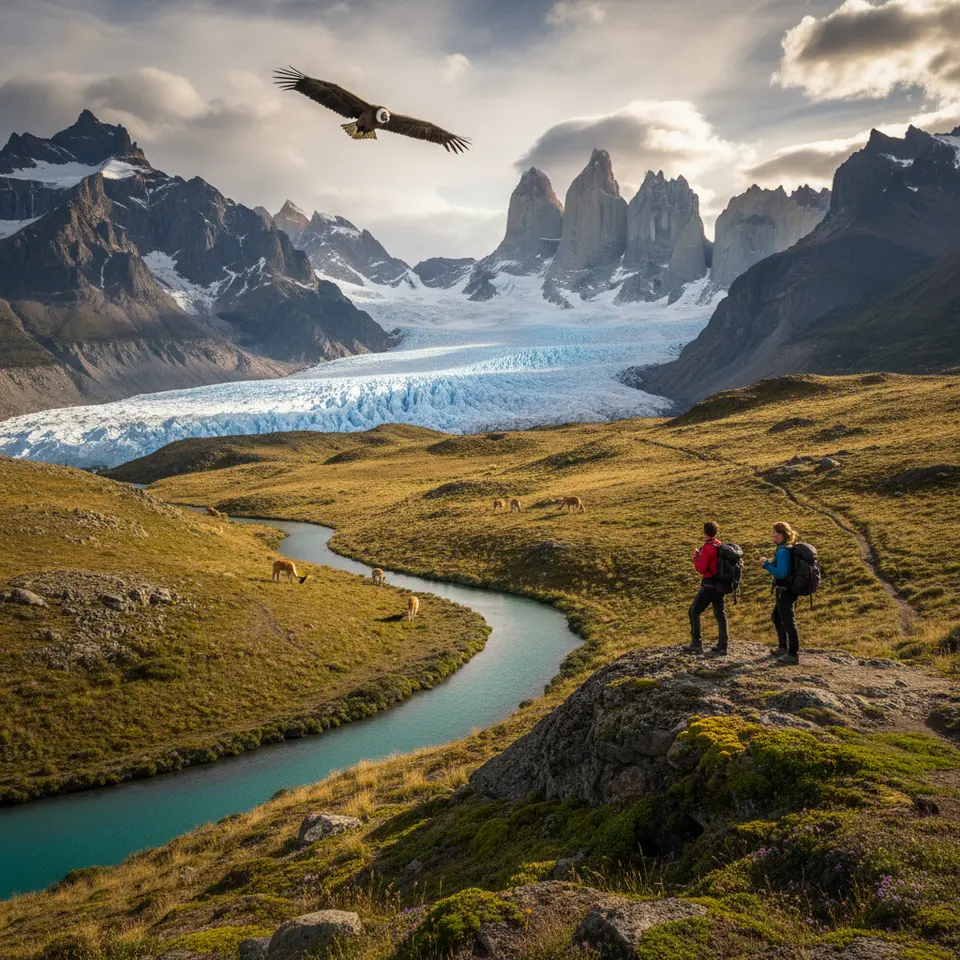
Patagonia, straddling Argentina and Chile, captivates with its towering granite spires, sprawling glaciers, and wind-swept grasslands. Iconic routes like the Torres del Paine Circuit showcase dramatic fjords and alpine meadows teeming with guanacos and condors. Venturing off established trails in this region requires advanced navigation skills and awareness of rapid weather changes, as fierce gusts and sudden snow squalls are common even in late spring. For permit details, consult Chile’s national park authority and Argentina’s protected area websites.
Volcanic Frontiers in Kamchatka
The Kamchatka Peninsula in Russia represents one of the world’s final true wilderness frontiers, where geothermal pools, active volcanoes, and barren tundra converge. Rafting crystal-clear glacial rivers and hiking along steam-belching calderas offer unparalleled solitude and raw beauty. Logistics are more complex—permit applications, charter flights, and local guide services are often necessary—yet the payoff includes encounters with brown bears and massive salmon runs. For planning guidance, refer to geological surveys or the National Geographic Society’s research on volcanic landscapes.
Nordic Fjords in Lofoten
The Lofoten Islands of Norway combine sea, mountains, and northern lights into an otherworldly tableau. Fjords with translucent waters and steep peaks are perfect for sea kayaking, while coastal ridgelines offer technical scrambles and birdwatching opportunities. Summer’s midnight sun and winter’s aurora borealis each bring unique photographic prospects and navigation challenges. Respect local fishing traditions by observing designated landing sites and staying clear of breeding bird colonies. Visit Norway’s official tourism board for seasonal guidelines and safety regulations.
High-Altitude Paths in the Himalayas
Nepal’s Annapurna Circuit remains a benchmark of remote high-elevation treks, blending mountain vistas with rich cultural immersion. While teahouses line the main trail, venturing onto side routes introduces hidden monasteries, yak pastures, and secluded passes above 5,000 meters. Altitude acclimatization is crucial: plan gradual elevation gains and incorporate rest days to prevent acute mountain sickness. For comprehensive route updates and safety advisories, utilize resources from the Department of Tourism, Government of Nepal, and research from Himalayan mountaineering institutes.
Building a Balanced Wild Travel Schedule
Gradual Progression
Creating a sensible itinerary is vital to ensure both safety and enjoyment during wild travel. Begin your journey with easier mileage and terrain to allow your body to adapt to carrying a loaded pack. For example, plan moderate hikes on the first two days, covering shorter distances and establishing a rhythm for camp setups and breakdowns. Monitoring your pace through daily logs helps you identify patterns of fatigue or soreness before they escalate into injuries. Incorporating well-timed uphill segments allows for consistent elevation gains without rapid altitude exposure, which can mitigate the risk of mountain sickness.
Rest & Acclimatization
Strategic rest days are just as important as travel days, especially when traversing high-altitude or remote environments. Schedule a mid-trip layover near water sources or scenic locations, giving your muscles time to recover and your mind a moment to absorb the surrounding beauty. Use these intervals to test equipment, repair minor gear issues, and reinforce camp hygiene routines. If you’re ascending into thinner air, leverage rest days to perform acclimatization hikes—small day trips that venture higher than camp elevation, then return to lower altitudes to sleep. This practice promotes oxygen efficiency and reduces the likelihood of altitude-related complications.
Flexibility & Cultural Exchange
Wild travel does not exist in a vacuum; incorporating flexibility into your itinerary allows you to respond to changing weather, wildlife encounters, or local events. Leaving buffer days in your schedule helps accommodate delays caused by sudden storms or river swellings. Additionally, carving out time for cultural interactions enriches your overall experience. Whether it’s visiting a remote mountain village, sharing tea with a lodge owner, or observing traditional ceremonies, these human connections offer deeper insights into the landscapes you traverse. Respect local customs and language norms by learning basic greetings and etiquette, demonstrating goodwill and fostering lasting memories.
Embracing the Spirit of Wild Travel
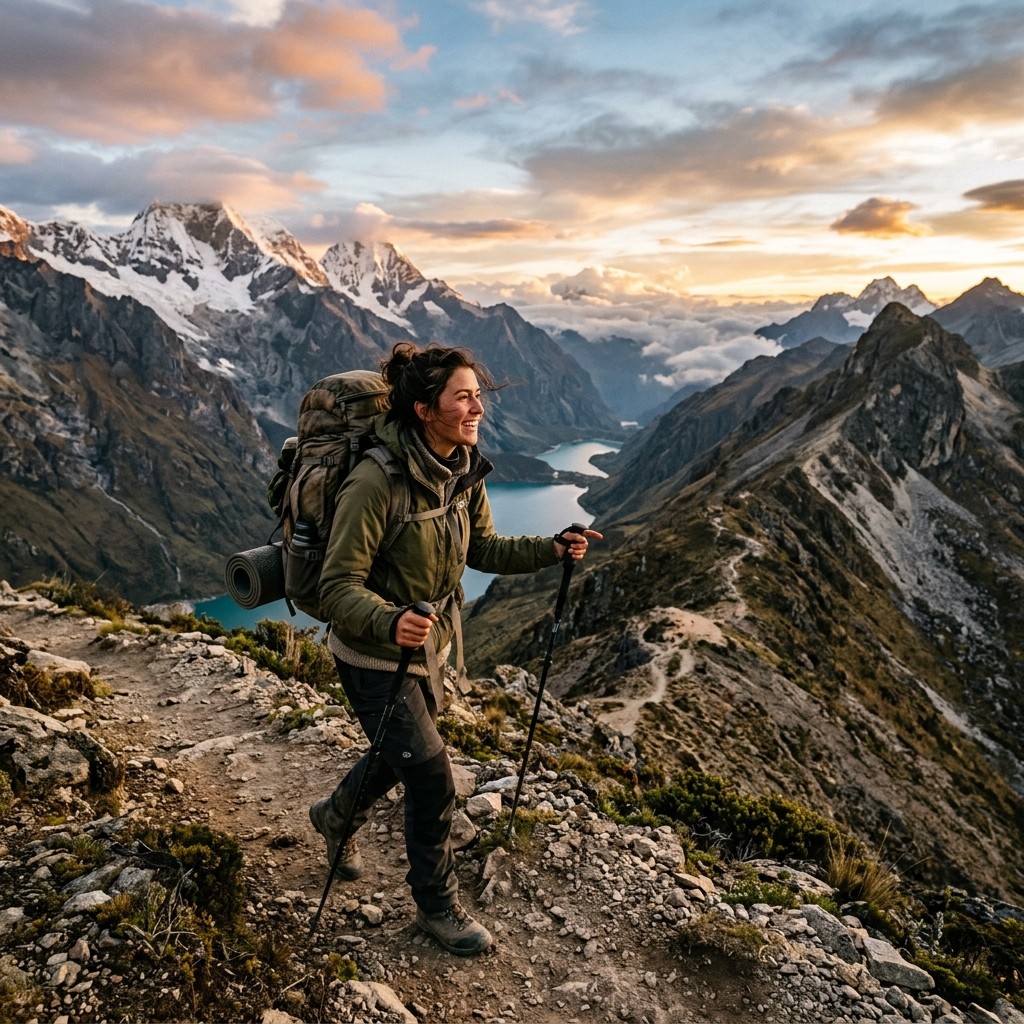
Wild travel challenges and rewards in equal measure, inviting you to step beyond comfort zones and engage directly with the planet’s most remote corners. By investing time in detailed planning, selecting versatile gear, and adhering to safety and environmental principles, you lay the foundation for a seamless adventure. In today’s landscape, where technology often dictates our pace, choosing to venture into untamed areas provides a welcome counterbalance and fosters resilience, resourcefulness, and a renewed sense of wonder.
Throughout this guide, we have emphasized the importance of sustainable practices—minimizing impact through Leave No Trace methods, calibrating your itinerary to match physical capabilities, and honoring local cultures. References from authoritative sites such as the National Park Service and research conducted by recognized institutions underscore the credibility of each recommendation. As you prepare for your next journey, trust in your training, respect the rhythms of nature, and maintain an open mind. The wilderness offers endless opportunities for self-discovery and growth. Embrace every sunrise breaking over an unfamiliar ridge, every whisper of wind through ancient trees, and every moment of stillness beneath the vast expanse of a star-studded sky. Your wild travel story is waiting to be written—step off the beaten path and into the embrace of the unknown.
Conclusion
Wild Travel is more than a journey it is a lifestyle that reconnects humans with nature’s raw beauty and challenges. From remote mountains to untouched forests, every expedition teaches resilience, awareness, and respect for the environment. Proper planning, essential gear, and survival knowledge ensure safe and meaningful adventures, while eco-friendly practices protect fragile ecosystems for future explorers. In today’s digital era, tools like maps, GPS, and travel guides make Wild Travel more accessible, but the core spirit remains unchanged: exploration beyond comfort zones. By embracing preparation and responsibility, travelers can experience unforgettable moments and truly understand the essence of Wild Travel.




Leave a Reply