

Altitude sickness can affect anyone above roughly 2,500 meters, so careful pacing, hydration, rest, and early symptom recognition make high-altitude trips safer and more enjoyable.
Altitude changes the body faster than many first-time mountain travelers expect. As elevation rises, the air pressure drops, oxygen becomes less available, and your body must work harder to do simple things like walk, think clearly, and sleep well. That is why Altitude Sickness Prevention is not just a medical phrase; it is a practical travel skill that protects your energy, judgment, and confidence. The mistake many people make is assuming fitness alone is enough. A strong runner can still feel unwell on a steep ascent if the climb is too fast.
Altitude Sickness Prevention begins with respect for the environment. You do not need to be afraid of the mountains, but you do need to understand that the mountains do not care how fit, determined, or experienced you feel at sea level. The smartest climbers slow down early, monitor changes in their body, and treat the first day as an adjustment period rather than a performance test. If you are traveling alone or with a small group, this awareness matters even more because nobody else may notice subtle changes in your behavior. In the first stage of planning, Altitude Sickness Prevention is about choosing patience over pride, because that one decision often shapes the entire trip.
What altitude sickness actually is
Altitude sickness is a broad term for the symptoms that can appear when the body struggles to adapt to thinner air. Common signs include headache, nausea, dizziness, unusual fatigue, appetite loss, poor sleep, and breathlessness that feels stronger than expected. Mild symptoms can sometimes improve with rest, but ignoring them can turn a small problem into a serious one. Altitude Sickness Prevention helps you recognize the difference between ordinary exertion and the body’s warning signals.
There are three main conditions to know: acute mountain sickness, high-altitude cerebral edema, and high-altitude pulmonary edema. The first is the most common and usually the earliest warning. The second affects the brain and can lead to confusion, loss of coordination, and unsafe behavior. The third affects the lungs and may cause chest tightness, severe shortness of breath, or coughing. Altitude Sickness Prevention works best when you treat any strange symptom as important rather than waiting for it to become dramatic. The rule on the mountain is simple: a mild symptom that improves with rest may be manageable, but any symptom that worsens with continued ascent should be taken seriously. That mindset is one of the strongest parts of Altitude Sickness Prevention.
Plan your ascent before the trip begins
Altitude Sickness Prevention starts long before you see the first ridge line. Your route, schedule, sleep plan, and backup options should all be designed around gradual adaptation. If possible, choose an itinerary that adds elevation in stages rather than all at once. It is usually better to arrive at a moderate altitude first, sleep there, and climb higher the next day than to race upward and hope your body catches up later. This is the practical side of Altitude Sickness Prevention, and it saves many travelers from avoidable discomfort.
A helpful planning habit is to study the elevation profile of your route instead of only looking at distance or duration. Two hikes with the same mileage can feel completely different if one begins high and rises quickly. Altitude Sickness Prevention also means deciding in advance what you will do if symptoms appear. Will you descend immediately? Will you rest at the current camp? Who will make the decision if you are with others? Clear answers reduce panic because they remove guesswork from the moment you actually need judgment.
Sleep lower, climb higher, and let the body adapt
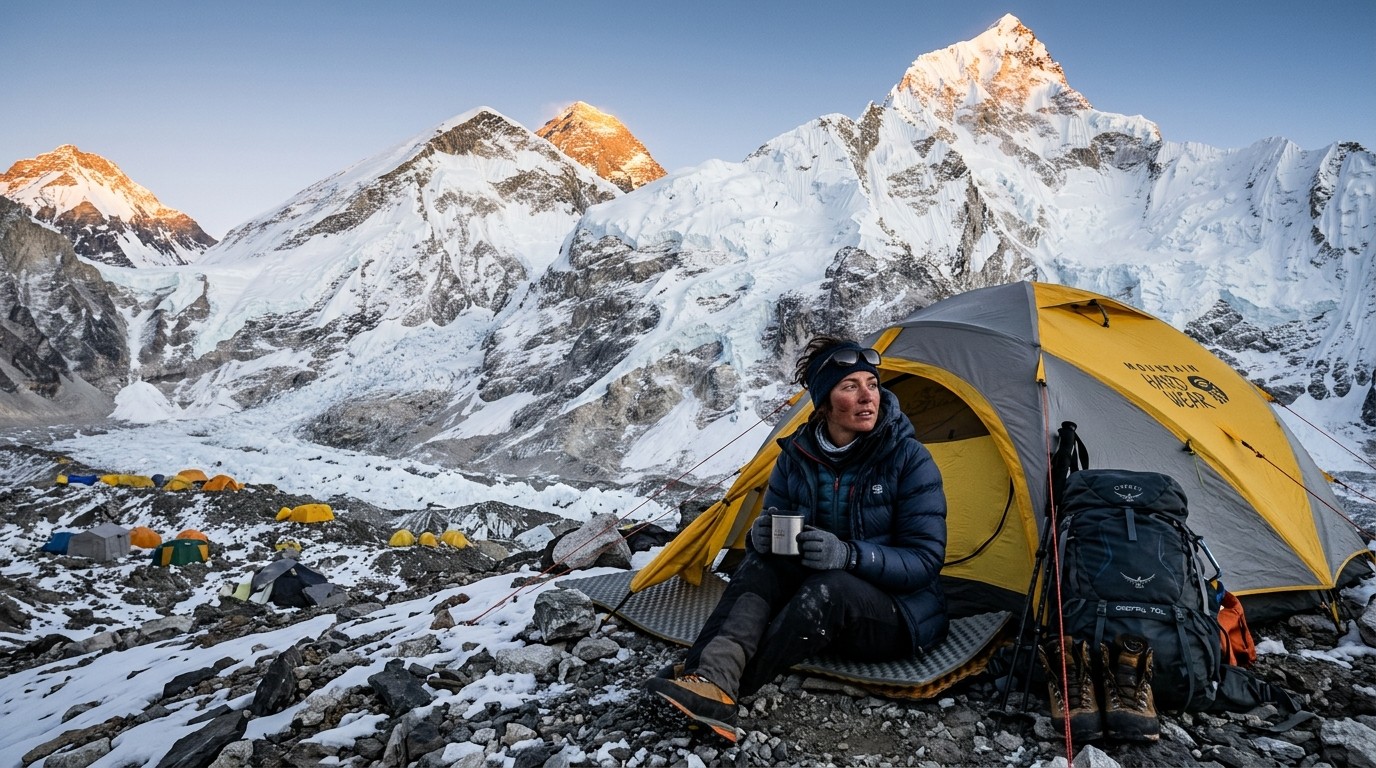
One of the most useful mountain strategies is to sleep lower than your highest point of the day whenever the route allows it. This approach gives your body a chance to recover while still exposing you to higher elevations in a controlled way. Altitude Sickness Prevention is often built on this principle because adaptation happens during rest, not while pushing upward. A day that feels manageable on the trail can still become a problem at night if the sleeping altitude rises too fast.
Acclimatization is not instant, and it cannot be forced. Some people adapt quickly while others need more time, and neither response means weakness. Altitude Sickness Prevention means respecting your own pace instead of comparing yourself to someone else’s. If your sleep is poor, your appetite disappears, or your energy drops sharply, those are not just “normal mountain feelings.” They may be the body asking for less height and more time. The best climbers are often the ones who adjust without ego, because Altitude Sickness Prevention rewards flexibility far more than bravado.
Hydration, food, and the reality of mountain energy
Many travelers hear that dehydration causes altitude sickness, and while the relationship is more complex than that, staying hydrated still matters. Dry mountain air, increased breathing, and physical effort can all reduce fluid balance. Altitude Sickness Prevention works better when you sip regularly, avoid getting overly thirsty, and pay attention to urine color as a rough sign of hydration. But water alone is not the full answer. You also need food.
At altitude, appetite often fades just when your body needs fuel most. That makes easy-to-eat, carbohydrate-rich meals especially useful. Warm soups, rice, bread, potatoes, oats, and fruit can be easier to handle than heavy or greasy meals. Altitude Sickness Prevention is easier when you eat early and often instead of waiting until hunger becomes exhaustion. In cold conditions, people sometimes under-eat because they do not feel hungry, but the body still burns energy to stay warm and move. If you skip fuel, fatigue grows faster and symptoms can feel worse. Good mountain nutrition is simple, repetitive, and reliable, which is exactly what Altitude Sickness Prevention needs.
Pace, rest, and the power of moving slowly
Altitude Sickness Prevention is often less about special products and more about tempo. The “go slow” rule sounds simple, but many people underestimate how slowly “slow” should really feel. At high elevation, even a pace that seems embarrassingly gentle on flat ground can be the correct one on a steep climb. If you are breathing hard early in the day, you are probably pushing too fast.
A steady rhythm helps the heart and lungs stabilize. Short steps, frequent pauses, and controlled breathing can reduce strain without ruining the trip. Altitude Sickness Prevention also means making rest a plan rather than a reward. Take breaks before you feel desperate, because recovery is easier when fatigue is still light. Watch the group dynamic too. In many accidents, one person sets a fast pace and everyone else quietly follows until symptoms appear. The calmer approach is to let the mountain dictate the speed. When you slow down on purpose, you often enjoy the scenery more, notice more details, and finish with more energy. That is why pacing is central to Altitude Sickness Prevention.
The role of sleep in recovery
Poor sleep is one of the most frustrating parts of high-altitude travel. Even when everything seems fine during the day, many people sleep lightly, wake often, or feel strangely restless. Altitude Sickness Prevention must include sleep planning because fatigue can magnify every other symptom. A tired body is less patient, less coordinated, and less able to cope with the climb.
Keep your sleeping setup as warm, dry, and comfortable as you reasonably can. Eat enough in the evening, avoid overexertion late in the day, and do not assume a bad night means disaster. One rough night can happen even in a normal adjustment period. Altitude Sickness Prevention becomes more important when the second rough night arrives, or when poor sleep combines with headache, nausea, or unusual weakness. If that happens, descending or pausing to recover may be the safest move. Sleep is not just comfort at altitude; it is one of the main signals that your body is adapting well. Ignoring it can make Altitude Sickness Prevention much harder than it needs to be.
Know the early warning signs and do not dismiss them
The earliest symptoms are often the easiest to excuse. Maybe you think the headache is from a long day, the nausea from a rich meal, or the dizziness from standing up too quickly. Altitude Sickness Prevention depends on noticing when a cluster of small signs appears together. One symptom may be accidental, but several symptoms after an ascent are a message.
Watch for loss of balance, a headache that gets stronger instead of fading, vomit, unusual shortness of breath at rest, confusion, or difficulty walking in a straight line. Altitude Sickness Prevention is not about becoming anxious over every sensation. It is about recognizing patterns that change from normal fatigue to something more serious. A good rule is to compare how you feel at rest with how you felt at the same point the day before. If your condition is not improving, the mountain may be asking for a pause. Trust that signal. Many problems become manageable only because someone decided to act early. In mountain travel, early action is one of the purest forms of Altitude Sickness Prevention.
When to stop going up
One of the hardest decisions in the mountains is turning around or staying put when the route still looks manageable. Altitude Sickness Prevention requires you to accept that “summit at all costs” is a bad strategy. If symptoms appear and worsen during ascent, continuing upward is usually the wrong decision. The body adapts best when given a chance to recover, not when forced to keep climbing through warning signs.
The safe response often depends on severity. Mild discomfort may improve with rest, fluids, and a pause at the current altitude. But worsening headache, repeated vomiting, confusion, stumbling, chest symptoms, or severe weakness mean you should stop ascending immediately. Altitude Sickness Prevention becomes much more effective when your personal rule is simple: symptoms that get worse with height are a reason to stop, not a reason to push harder. There is no shame in changing the plan. The mountain will still be there another day, but your health may not be if you ignore the warning. Good decision-making is one of the deepest lessons of Altitude Sickness Prevention.
Emergency readiness and practical safety gear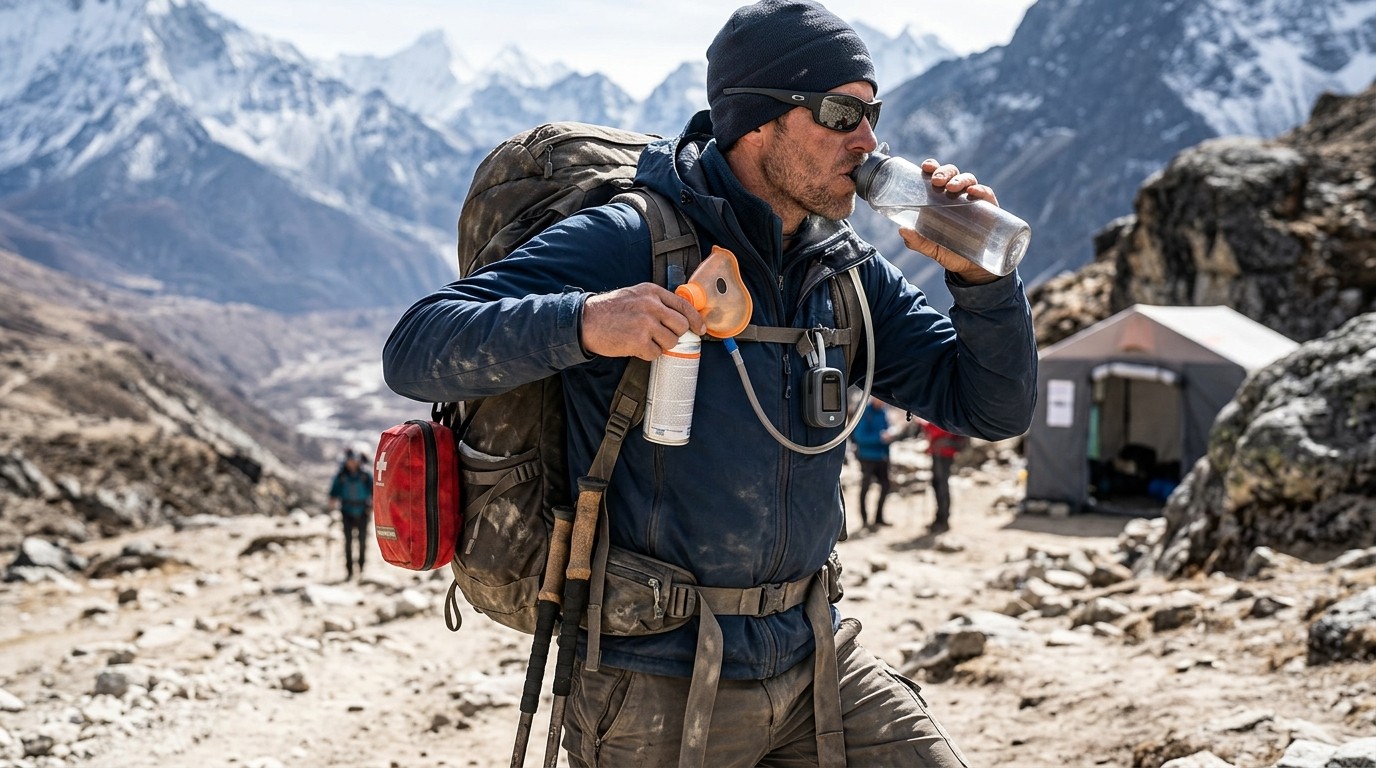
A good mountain plan includes what you will do if the normal plan stops working. Altitude Sickness Prevention should be paired with a realistic emergency mindset, especially on remote or rugged routes where help may be far away. Carry enough clothing for rapid weather changes, a navigation tool that does not depend on perfect signal, a light source, a charged phone or power source, and a simple first-aid kit. These items do not prevent altitude illness by themselves, but they reduce chaos around it.
Wilderness First Aid knowledge is extremely valuable here because it helps you respond calmly to symptoms, injuries, and environmental stress while waiting for better help. Knowing how to assess breathing, hydration, temperature, and responsiveness can make a real difference in the first few minutes of a problem. Altitude Sickness Prevention is stronger when you combine awareness with practical readiness. Keep emergency contacts accessible, tell someone your route, and identify the nearest descent points before you start. Preparation does not guarantee perfect conditions, but it gives you more options. In the mountains, options are safety.
Why solo travelers need extra caution
Traveling alone can be deeply rewarding, but it also means there is no partner to notice changes you may miss in yourself. Altitude Sickness Prevention matters even more when you are solo because symptoms can erode judgment before you realize it. A tired or dizzy traveler may decide they are “fine” simply because they want the trip to continue. That is exactly when self-checks matter most.
Set a rule for yourself before the trip: at every major rest stop, ask whether your headache, breathing, balance, appetite, and energy are improving, staying the same, or getting worse. Solo Travel Quotes can inspire courage and independence, but the real mountain wisdom is not just motivation. It is honest self-assessment. Altitude Sickness Prevention for solo travelers also means being more conservative with route choices, checking weather earlier, and avoiding unnecessary risk when the body feels off. If the plan requires a summit push on little sleep or after a rough first night, consider whether that goal is worth the strain. Solo confidence is strongest when it is supported by discipline, and that discipline is a major part of Altitude Sickness Prevention.
Culture, mindset, and staying grounded on the mountain
High-altitude travel is not only physical; it is emotional and cultural too. Mountain communities often have their own rhythms, customs, and relationships with the land, and respecting those rhythms can make your trip safer and more meaningful. Solo Travel Creative Culture Tribe Guide is a useful idea here because it reminds travelers that connection, not just performance, shapes the experience. When you slow down enough to listen, you often notice better pacing, better route advice, and better local knowledge.
Altitude Sickness Prevention benefits from humility. The mountain is not a place to prove superiority; it is a place to learn limits, read conditions, and accept that endurance includes restraint. That mindset makes it easier to ask for help, to rest when needed, and to change plans without feeling defeated. Strong climbers are usually the ones who can hold excitement and caution together at the same time. They enjoy the challenge but do not romanticize danger. In that sense, Altitude Sickness Prevention is also a kind of travel culture: one that values awareness, respect, and steady judgment over reckless speed.
Insurance, medical support, and backup planning
Altitude travel can involve flights, long transfers, and active days outdoors, so protection matters as much as excitement. Adventure Travel Insurance becomes relevant when your itinerary includes altitude exposure, remote terrain, and the possibility of evacuation or treatment. Read the policy carefully and confirm whether the activities you plan to do are covered. Some policies are generous with ordinary travel but strict about specific adventure activities or altitude limits.
Altitude Sickness Prevention should always be paired with practical backup thinking. Know where the nearest clinic or capable medical point is located, carry identification, and keep a list of medications or allergies with you. If you have any medical condition that may interact with altitude, discuss it with a clinician before going. It is better to clarify risks at home than to guess on the trail. Good insurance does not replace judgment, and good judgment does not replace insurance. They work together. One protects the finances of a bad situation; the other protects the body from getting there in the first place. That combination makes Altitude Sickness Prevention more complete and more realistic.
A simple table for safer planning
| Planning area | What to do | Why it matters |
|---|---|---|
| Ascent rate | increase altitude gradually | gives your body time to adapt |
| Hydration | drink steadily, not all at once | supports overall function and comfort |
| Food | eat regular, easy-to-digest meals | keeps energy stable |
| Sleep | allow extra time to rest | improves recovery and adaptation |
| Symptom checks | review headache, nausea, balance, appetite | catches problems early |
| Emergency plan | know descent points and contacts | creates options if symptoms worsen |
Altitude Sickness Prevention becomes easier when this table lives in your head as a checklist. You do not need a perfect mountain strategy. You need a repeatable one.
Training before you go
Fitness is helpful, but it is not a shield. Cardio conditioning, leg strength, and practice hikes can make climbing feel smoother, yet they do not remove the need for acclimatization. Altitude Sickness Prevention improves when your training focuses on endurance, balance, and the ability to recover rather than on speed alone. If you can walk uphill for a long time at a relaxed pace, you are building a better mountain base than if you only train for intensity.
Try local hills or long walks while carrying a light pack. Learn how your body reacts to exertion when you are slightly tired, slightly cold, or slightly hungry. Those lessons are useful because altitude often combines all three. Altitude Sickness Prevention also grows from realistic expectations. A fitter person may feel more capable, but capability is not the same as acclimatization. Do not let training turn into overconfidence. The smartest use of fitness is to make the climb feel efficient while still respecting the body’s need for adaptation. That balance is what makes Altitude Sickness Prevention practical rather than theoretical.
Adjusting plans when symptoms show up
If you begin feeling unwell, the next move should be calm and structured. Stop ascending, rest, hydrate, and evaluate whether symptoms are improving. If you are with other people, say exactly what you feel instead of downplaying it. Altitude Sickness Prevention is often helped by clear language, because vague complaints can sound less serious than they really are. Headache plus nausea plus fatigue is not the same as a little tiredness.
Sometimes the best choice is to spend a second night at the same altitude. Sometimes the best choice is to descend. A good decision depends on what the symptoms are doing, not on pride, schedule pressure, or the number of miles already completed. Altitude Sickness Prevention becomes stronger when you treat the body like a partner rather than a machine. The partner is saying, “slow down,” and that message should be heard early. In mountain travel, discipline is not only about pushing forward; it is also about stopping at the right moment. That is why Altitude Sickness Prevention is a skill, not a slogan.
A pre-climb checklist you can reuse
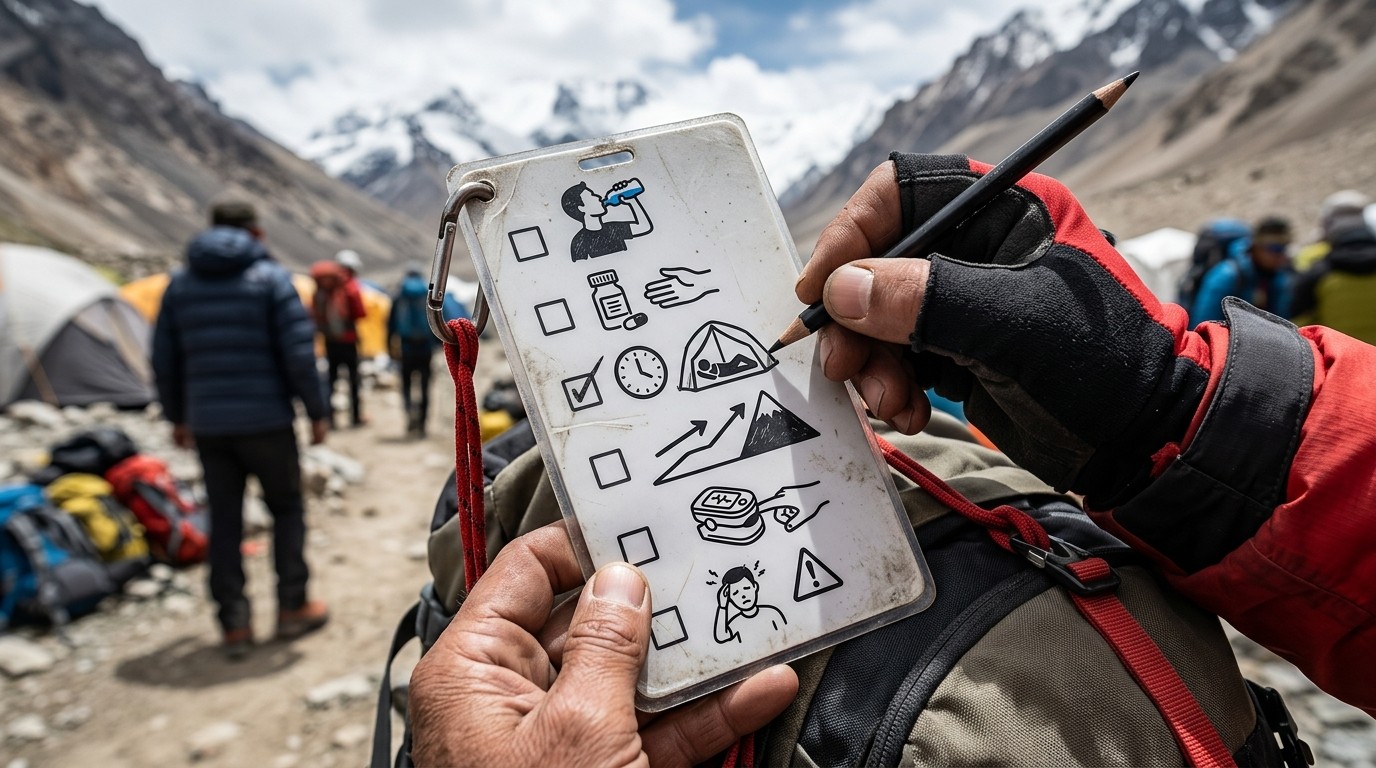
Before you leave, build a short checklist that you can repeat every morning on the route. Confirm that your water is filled, your breakfast plan is ready, your route is known, your warm layer is accessible, and your pace for the day is realistic. A checklist sounds ordinary, but high places reward ordinary systems because simple habits are easier to trust when fatigue begins to blur judgment. Write down the names of the places where you can stop, rest, or descend if the day goes poorly. Save offline maps, local emergency numbers, and a backup contact in case your phone loses signal.
It also helps to decide your personal “yellow light” rules. For example, you might say that a headache plus nausea means no further ascent that day, or that poor sleep plus weakness means a second night at the same elevation. Rules like these remove emotional bargaining from the moment. They are not signs of fear; they are signs that you are taking safety seriously. When you already know what a warning looks like, you spend less energy debating with yourself and more energy staying steady, rested, and clear-headed. Altitude Sickness Prevention is one of the most useful outcomes of preparation. If altitude symptoms appear after a meal, pause, breathe, and compare them with your baseline before deciding whether rest or descent is the safer move for that day.
A final useful habit is to arrive with curiosity instead of performance pressure. Curiosity keeps you observant, which helps you notice subtle changes in energy, mood, and breathing before they grow into bigger problems. When the climb feels like an experience to learn from, not a challenge to conquer, decisions become calmer and safer. Small routines repeated calmly often matter more than heroic effort on steep ground. Preparation turns uncertainty into a manageable part of the journey.
Final thoughts on staying safe above the tree line
The most reliable mountain strategy is not magic. It is a series of small, disciplined choices made early and repeated often. Altitude Sickness Prevention works when you combine gradual ascent, honest self-checks, enough food, enough rest, and a willingness to turn around if the body is struggling. Do not wait for dramatic symptoms before you act. The earlier you respond, the easier it is to protect the trip and your health. Mountains reward respect, patience, and humility more than ego. If you carry those habits with you, the climb becomes safer, calmer, and far more memorable.
Conclusion
Altitude travel becomes safer when you treat preparation as part of the adventure, not an extra chore. Altitude Sickness Prevention is a set of simple habits: move slowly, sleep enough, eat well, watch for early symptoms, and accept that turning back can be the smartest choice on the mountain. The goal is not to prove toughness. The goal is to arrive safely, enjoy the views, and return with good memories instead of a painful lesson. When you respect acclimatization, carry the right emergency tools, and keep your expectations realistic, high places feel less intimidating and more rewarding for every traveler.
Frequently Asked Questions (FAQ)
1. What is the best way to begin altitude sickness prevention?
Altitude Sickness Prevention starts with gradual ascent, honest self-monitoring, and enough rest between elevation gains so your body has time to adapt.
2. Can fit people still get altitude sickness?
Altitude Sickness Prevention matters for everyone because fitness helps endurance, but it does not guarantee that your body will adapt quickly to thinner air.
3. How fast should I ascend to stay safe?
Altitude Sickness Prevention usually works best when you increase sleeping altitude slowly and avoid large jumps in elevation whenever possible.
4. What symptoms should make me stop climbing?
Altitude Sickness Prevention means taking headache, nausea, dizziness, confusion, balance problems, chest symptoms, or worsening fatigue seriously and stopping ascent if they intensify.
5. Does drinking more water prevent altitude sickness?
Altitude Sickness Prevention is helped by good hydration, but water alone is not enough; you also need rest, food, and a slow pace.
6. Should I take medication before climbing?
Altitude Sickness Prevention may involve medication for some travelers, but that decision should be made with medical advice based on your health and route.
7. Is it okay to sleep higher if I feel tired but not sick?
Altitude Sickness Prevention depends on how symptoms behave. Mild tiredness may be normal, but anything that worsens at altitude should be treated carefully.
8. What should be in a mountain safety kit?
Altitude Sickness Prevention is stronger with warm clothing, a light source, navigation tools, basic first aid, backup power, and emergency contact information.
9. Can I recover from mild symptoms without descending?
Altitude Sickness Prevention sometimes allows mild symptoms to settle with rest at the same altitude, but worsening symptoms usually require descent.
10. Why is a backup plan so important?
Altitude Sickness Prevention is not just about avoiding illness; it is also about making sure you have safe options when conditions, weather, or symptoms change.




Leave a Reply