

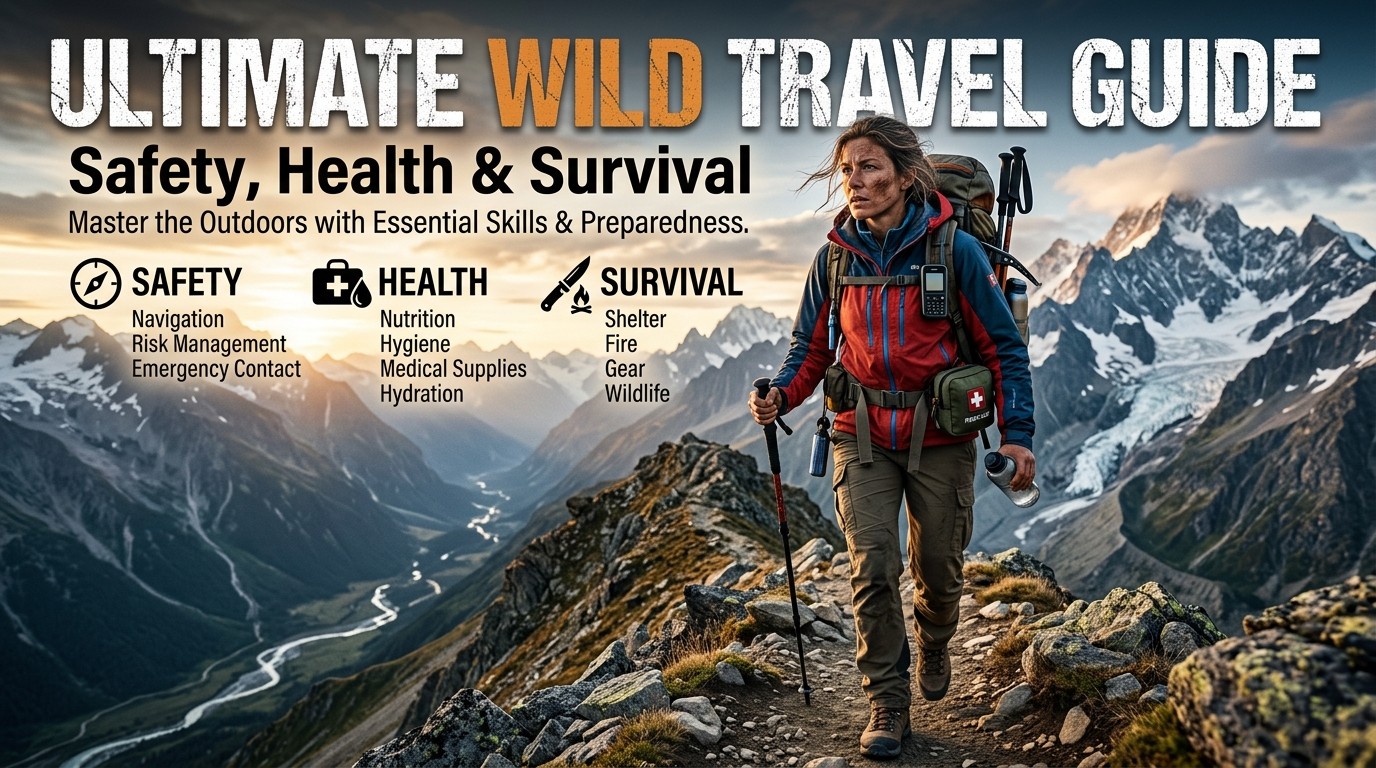
Ultimate Wild Travel Guide helps travelers prepare for remote roads, changing weather, and real emergencies with calm planning, practical skills, and safer choices.
Traveling into wild places is exciting because it strips life down to essentials. Noise fades, schedules loosen, and every decision starts to matter more. A trailhead, a forest road, a mountain ridge, or a coastal campsite can feel freeing, but the same places can also expose small mistakes very quickly. That is why Ultimate Wild Travel Guide is not just about adventure. It is about judgment, preparation, and knowing how to respond when comfort disappears. The best trips in wild country are not the ones without problems. They are the ones where you already know how to handle them. Ultimate Wild Travel Guide thinking turns uncertainty into a plan.
The first thing to understand is that wild travel is different from normal tourism. Stores are farther apart, cell signal is weaker, weather changes faster, and help may not be nearby. That does not mean you should avoid the outdoors. It means you should approach it with respect. Ultimate Wild Travel Guide teaches a simple mindset: plan for what is likely, prepare for what is possible, and stay calm when the unexpected happens. That mindset protects health, improves safety, and makes the trip more enjoyable from the start.
Why wild travel demands a different mindset
Most travel problems in cities are inconveniences. In wilderness areas, they can become serious much faster. A wrong turn may cost hours. A small blister can turn into a painful injury. A cold rain can become a health risk. Ultimate Wild Travel Guide starts with accepting that the environment is not there to accommodate you. You adapt to it. That is not meant to sound harsh. It is meant to free you from false assumptions.
A practical mindset begins before departure. Ask what kind of terrain you will face, what services exist, how far rescue would need to come, and how much daylight you will have. Then think honestly about your own skill level. A common mistake is planning a trip based on the photo, the title, or the dream, instead of the real conditions. Ultimate Wild Travel Guide helps you slow that impulse down. The goal is not to make every trip conservative. The goal is to make every trip informed. Ultimate Wild Travel Guide habits keep planning realistic.
Human psychology matters here too. Beginners often overestimate rare dangers and underestimate boring ones. They worry about dramatic wildlife encounters while forgetting water, sun, fatigue, and navigation. Ultimate Wild Travel Guide brings attention back to the everyday factors that cause most trouble. When you respect those basics, your confidence becomes much more stable.
Building your safety foundation before the trip
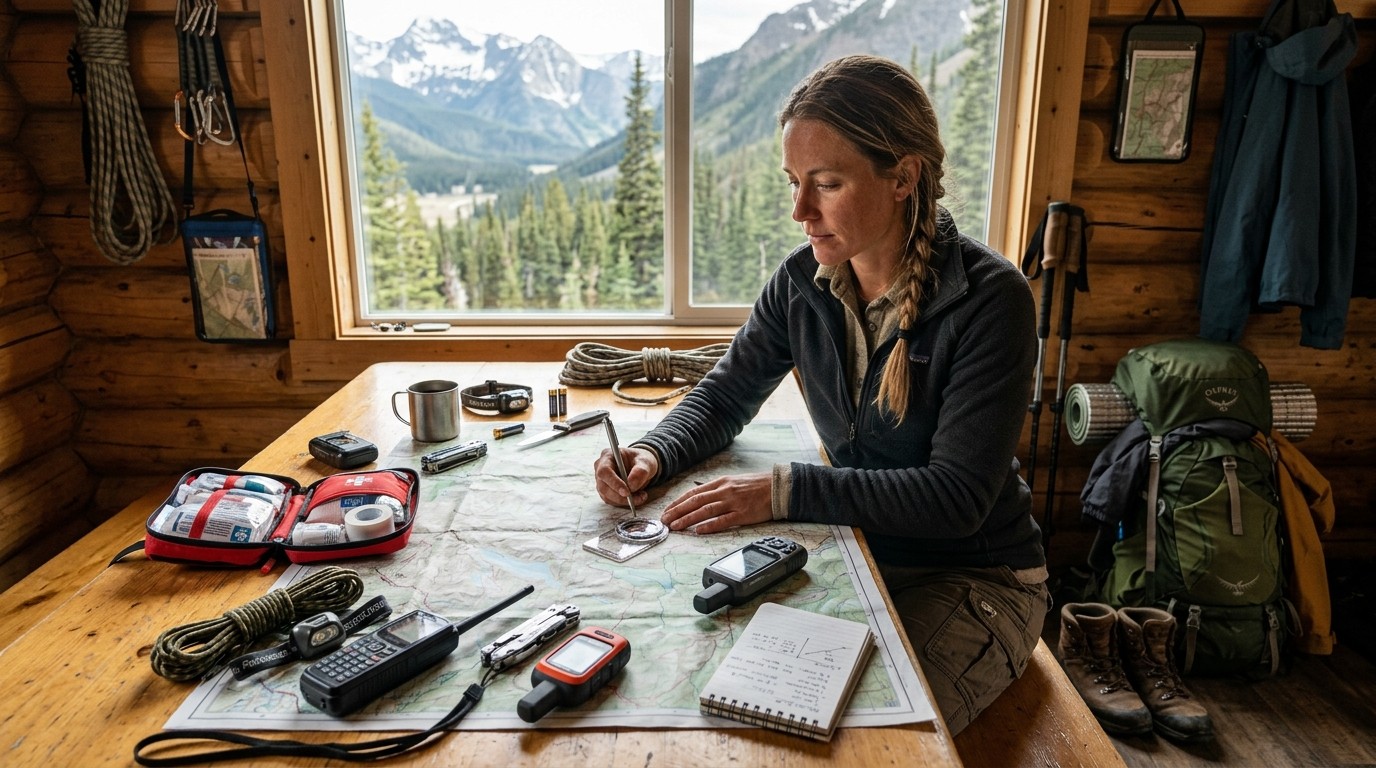
A safe wild trip starts long before the trail begins. The planning stage should include route research, weather review, terrain review, bail-out options, and communication planning. Ultimate Wild Travel Guide is strongest when you treat these steps as part of the adventure rather than a burden. The more clearly you understand the environment, the less likely you are to panic later. That is one of the core lessons of Ultimate Wild Travel Guide preparation.
Start with route choice. Pick a route that matches the slowest, not the fastest, member of the group. If you are traveling solo, match it to your own realistic pace. Study elevation gain, water sources, road access, and expected time on the move. If a route includes multiple unknowns at once, reduce one of them. Less ambiguity means fewer surprises.
Then check local regulations. Some parks require permits, fire restrictions, bear-safe storage, or seasonal closures. These details matter because they affect both safety and logistics. Ultimate Wild Travel Guide is not only about surviving danger. It is also about avoiding preventable rule violations that can create risk or legal trouble.
A small emergency plan should include a check-in time, an emergency contact, and a clear “if not back by” instruction. If you are traveling with others, decide in advance who carries what and who leads if plans change. Ultimate Wild Travel Guide works best when the group does not have to negotiate under stress.
Health preparation is part of survival
Health is the hidden backbone of outdoor travel. People often think survival begins when something dramatic happens, but in reality, it begins with sleep, hydration, nutrition, medication, and pacing. Ultimate Wild Travel Guide includes the simple truth that a tired body makes worse decisions.
Before leaving, review any conditions you already have. Asthma, allergies, diabetes, migraines, joint issues, or anxiety can all change the way a wild trip should be planned. Pack enough medication, and store it where it is protected from heat, water, and crushing. Bring copies of important prescriptions if needed. Ultimate Wild Travel Guide is always safer when medical basics are not left to chance.
Hydration deserves special attention. In cold weather, people forget to drink enough because they do not feel sweaty. In hot weather, they may underestimate how quickly they lose fluids. In both cases, dehydration can reduce judgment, stamina, and mood. A good rule is to drink steadily rather than wait until you feel thirsty. Pair that with food that gives reliable energy, especially on long movement days.
Sleep also matters more than most travelers expect. A poor night can ruin navigation, appetite, concentration, and morale. If your schedule allows it, avoid beginning hard terrain after a sleepless night. Ultimate Wild Travel Guide works better when the body is not already running on empty.
Understanding the role of first aid
Even short trips benefit from basic medical knowledge. Cuts, sprains, burns, insect bites, rashes, blisters, and minor allergic reactions are common outdoor issues. Knowing how to respond calmly reduces escalation. A strong trip plan includes a compact kit with bandages, antiseptic, blister care, pain relief, tape, gloves, and any personal medications. Ultimate Wild Travel Guide becomes much more practical when you can treat small problems early.
Wilderness First Aid training is valuable because it teaches you to think in the field, not just in a clinic. It helps you assess what is urgent, what is stable, and what can wait. That kind of judgment can prevent a small issue from becoming a trip-ending one. It also lowers panic, because you know what your tools can and cannot do. Ultimate Wild Travel Guide methods make that confidence practical.
Adventure Travel Insurance and why it matters
Many travelers skip insurance because they assume nothing serious will happen. That is a costly gamble. Remote travel can involve evacuation, delayed transport, medical care, or gear loss. Adventure Travel Insurance can help cover some of those risks, especially when your itinerary includes hiking, paddling, climbing, backcountry camping, or other higher-exposure activities. Ultimate Wild Travel Guide should always include a careful look at what your policy does and does not cover.
Read the exclusions before you buy. Some plans limit altitude, specific sports, or remote evacuation. Some require you to follow local safety rules. Some do not cover pre-existing conditions unless you meet certain requirements. The purpose is not to scare you into overpaying. The purpose is to match protection to the actual trip.
Insurance does not replace caution. It supports it. If you are hiking far from services, crossing variable weather, or relying on fragile transportation, the value of good coverage rises quickly. Ultimate Wild Travel Guide is not only about avoiding accidents. It is also about making sure a bad day does not become a financial disaster.
Choosing the right destination and terrain
Not all wild travel is equally demanding. Some trips are gentle, scenic, and accessible. Others are remote, steep, wet, or cold. The right choice depends on your experience, not on what looks impressive online. Ultimate Wild Travel Guide works best when the destination matches your current skill level.
If you are new to remote travel, start with places that have clear trails, marked campsites, and enough traffic to make help more reachable. If you are more experienced, you might choose deeper wilderness, but only after building the skills to support it. The smartest travelers do not chase difficulty for its own sake. They choose challenge that can still be managed.
For example, the Best Places in Vermont can offer a strong introduction to outdoor travel because the scenery, seasons, and trail networks reward careful planning without always requiring extreme exposure. The Best Places in Michigan may appeal to travelers who want water, forests, and long scenic routes with a wide range of experience levels. Ultimate Wild Travel Guide is not about choosing the “best” place in a general sense. It is about choosing the best place for your current readiness.
What to look for in a route
A good route has more than beauty. It has clear access, realistic timing, known hazards, and escape options. Look for information on water availability, river crossings, exposure, and seasonal changes. Ask whether the trail becomes hazardous after rain, snow, or heat. The more you understand, the fewer guesses you need to make.
It helps to compare one aspirational route with one backup route. That way, if conditions change, you are not forced into an all-or-nothing decision. Ultimate Wild Travel Guide becomes more reliable when flexibility is built into the plan rather than added at the last minute.
Gear that supports safety instead of cluttering your pack
Good gear is not about owning the most things. It is about carrying the right things and knowing how to use them. Ultimate Wild Travel Guide rewards simplicity. Every item should reduce risk, improve efficiency, or increase comfort enough to matter. Ultimate Wild Travel Guide gear should reduce effort, not add clutter.
Your pack should reflect the environment. Rain requires waterproofing and layers. Heat requires sun protection and water management. Cold requires insulation and dryness. Navigation requires maps, battery discipline, and redundancy. If a tool cannot serve more than one purpose, think carefully before bringing it.
A few items deserve special attention. A reliable headlamp prevents night-time mistakes. A map and compass remain useful when electronics fail. A power bank can preserve communication. A compact shelter layer or emergency blanket can buy time if conditions worsen. In Ultimate Wild Travel Guide planning, time is often the real emergency resource. Ultimate Wild Travel Guide decisions should protect time as carefully as gear.
Clothing, shelter, and water
Clothing should protect against the environment without trapping sweat. Moisture management is important because wet skin loses heat faster and can irritate the body. Layering allows you to adapt as conditions shift. Shelter choices should match the trip: tents, tarps, cabins, or emergency bivy options all have different advantages.
Water is one of the most important categories. Even if a source looks clean, do not assume it is safe. Treatment systems, filters, or purification methods can make a major difference in preventing illness. Ultimate Wild Travel Guide is not simply about being thirsty enough to notice. It is about staying ahead of dehydration before it affects your decisions.
Navigation and decision-making in the field
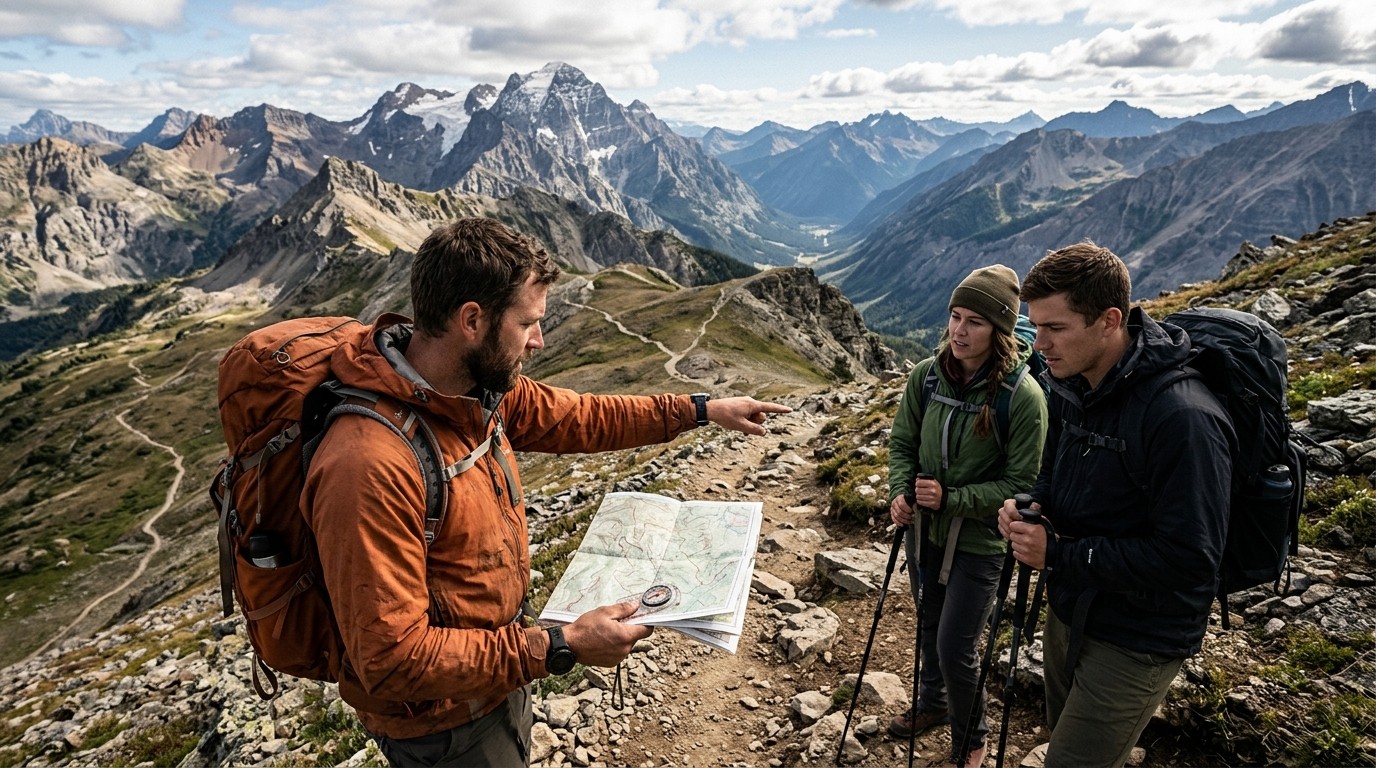
Getting lost is one of the fastest ways to turn excitement into stress. That is why navigation deserves more attention than it often gets. Ultimate Wild Travel Guide treats navigation as a skill, not an afterthought. Learn how to read a map, recognize major landmarks, and track your position as you move. The more passive your navigation is, the more likely you are to drift without noticing.
Many people rely too much on a phone. Phones are useful, but batteries die, signals fail, and screens can be hard to see in harsh light. A backup map is not old-fashioned. It is practical. The same is true for marking your planned route, estimating turnaround times, and knowing where water or shelter might be found. Ultimate Wild Travel Guide readers should always carry a backup plan.
Decision-making should be conservative when conditions worsen. If weather shifts, visibility drops, or energy declines, reassess early. Do not wait for a perfect moment to turn back. Ultimate Wild Travel Guide is often about making smaller decisions sooner rather than larger decisions too late.
Weather awareness and environmental reading
Weather is not background scenery in wild travel. It is one of the main forces shaping safety. Storms, wind, temperature swings, lightning, fog, and sudden rain can all alter the risk level of a trip. Ultimate Wild Travel Guide becomes much more effective when you learn to read weather as a living factor rather than a checked box.
Before leaving, review the forecast for more than one time window. Morning conditions can be very different from afternoon conditions. In mountains, weather can change faster with elevation. In coastal or forested areas, wind and rain can behave in ways that surprise beginners. Plan for the worse edge of the forecast, not the most optimistic one.
While traveling, keep checking the sky, the wind, and the feel of the air. Early signs of weather change matter. Darkening clouds, sudden temperature drops, or increasing wind can all signal that you should modify the route or seek shelter. Ultimate Wild Travel Guide is most useful when you act before the weather becomes a direct threat.
Cold, heat, and moisture
Cold exposure can creep up gradually. A person may not realize they are losing body heat until judgment is already dulling. Heat can be equally dangerous because it reduces hydration, energy, and concentration. Moisture makes both problems worse by affecting insulation and comfort. Ultimate Wild Travel Guide should always account for the full environment, not just the temperature number.
Protective habits include layering, shaded rest when needed, dry clothing changes, and regular fluid intake. It also helps to know your personal warning signs. Are you getting sluggish? Irritable? Clumsy? Unusually quiet? Those changes may be early signals that the body needs attention.
Wildlife, food, and camp discipline
Wild spaces include wild animals, and that requires discipline around food, waste, and behavior. Animals are usually not looking for conflict, but they may approach food, trash, or careless camps. Ultimate Wild Travel Guide teaches respect through distance, storage, and consistency.
Never assume that a simple campsite is automatically safe. Store food as instructed, clean up all scraps, and keep scented items managed. If you are in bear country, follow the local rules exactly. If insects are a problem, wear protection and inspect your skin frequently. If you encounter large animals, do not rush closer for a photo. Give the animal room and move calmly.
A disciplined camp makes the night easier. A messy camp creates stress, attracts wildlife, and increases the chance of losing gear. Ultimate Wild Travel Guide camp discipline keeps nights calmer. The order matters because it reduces decision fatigue.
Emergency response when things go wrong
No guide can remove every risk. What matters is how you respond when something goes wrong. Panic wastes energy. A clear sequence helps. Stop the situation from getting worse, assess the person or problem, protect warmth and safety, and decide what help is needed. Ultimate Wild Travel Guide is not about assuming disaster. It is about being ready for it without collapsing mentally.
If someone is injured, stabilize first. If someone is cold, dry and warm them. If someone is lost, slow down and use your communication tools. If you are alone, your priorities are similar: protect yourself, conserve energy, and choose the safest next move. Most emergencies become more manageable when people avoid rushing.
Communication devices can be critical in remote settings, but they should be treated as support, not magic. Batteries, signal strength, and terrain all matter. Ultimate Wild Travel Guide safety depends on redundancy. Ultimate Wild Travel Guide planning usually points to navigation and communication first.
Food planning for strength and morale
Food is not only fuel. It is also comfort, morale, and decision support. Hunger makes people impatient, impulsive, and forgetful. That is why Ultimate Wild Travel Guide benefits from meal planning that is simple, durable, and enjoyable. Ultimate Wild Travel Guide meal planning should protect energy and mood.
Choose foods that travel well and give reliable energy. Mix quick snacks with fuller meals. Keep emergency food separate so you are not tempted to eat it too early. If the trip is multi-day, think about preparation time, water requirements, weight, and packaging waste. A meal should be easy enough to use when you are tired, not just when you are fresh and organized.
It also helps to carry something you genuinely like. A favorite snack can lift morale in bad weather or after a long climb. That small emotional lift matters more than people expect.
Mental resilience in the wild
Wild travel challenges the mind as much as the body. Loneliness, uncertainty, and discomfort can create a mental spiral if you are not prepared. Ultimate Wild Travel Guide supports resilience by turning vague stress into specific tasks. Instead of feeling overwhelmed by everything, you ask what needs to happen next.
One useful technique is to break the day into sections. Focus only on reaching the next checkpoint, the next meal, or the next rest stop. Another is to keep talking to yourself in a calm and practical way. That sounds simple, but the language you use shapes the panic you feel.
A resilient traveler also knows when to slow down. Pride can push people deeper into poor conditions than they should go. There is no shame in turning back, changing the plan, or spending a night in a safer place. Ultimate Wild Travel Guide confidence includes the wisdom to turn back early. Ultimate Wild Travel Guide should always support judgment, not ego.
When solo travel meets group travel
Some trips are best done with others. Group travel can add safety, shared equipment, and faster response in emergencies. Even so, group pressure can also create risky decisions. Ultimate Wild Travel Guide still applies because the same fundamentals matter: plan, communicate, and remain honest about conditions.
In a group, make sure everyone understands the route, the pace, and the escape plan. One strong leader does not remove the need for shared awareness. Groups are safest when no one feels embarrassed to raise a concern early.
Special considerations for different seasons
Each season changes the equation. Spring may bring mud, meltwater, and unstable conditions. Summer can bring heat, insects, and dehydration. Autumn may offer beautiful views but quickly shifting weather. Winter can transform a moderate route into a serious commitment. Ultimate Wild Travel Guide should adapt to the season rather than pretending every month is the same. Ultimate Wild Travel Guide preparation changes with the season.
Seasonal planning means checking daylight hours, road access, temperature swings, and gear needs. It also means understanding how your own body handles the season. Some people tolerate heat better than cold; others are the opposite. Build around your strengths when possible.
Traveling with responsibility and respect
Wild travel is not only about your safety. It is also about respect for the land and the people who care for it. Leave no trace, stay on route when possible, and avoid creating unnecessary impact. Ultimate Wild Travel Guide should include an ethical dimension because responsible behavior protects the places you came to enjoy.
Respect local communities too. Rural and wilderness areas often have different rhythms, customs, and service limits than urban centers. A respectful traveler learns before arriving and behaves like a guest, not a conqueror of the landscape.
Creating your own checklist
Checklists reduce stress because they remove guesswork. Before departure, review route info, weather, health supplies, navigation tools, food, water, clothing, communication, and emergency contacts. During the trip, review sleep, hydration, pace, and conditions. After the trip, review what worked and what did not. Ultimate Wild Travel Guide becomes much easier to use when these checks become routine.
A checklist also makes your future trips smarter. You stop repeating the same mistakes. You notice which items were unnecessary and which ones saved the day. That feedback loop is one of the most powerful parts of outdoor travel.
Final thoughts on destination inspiration
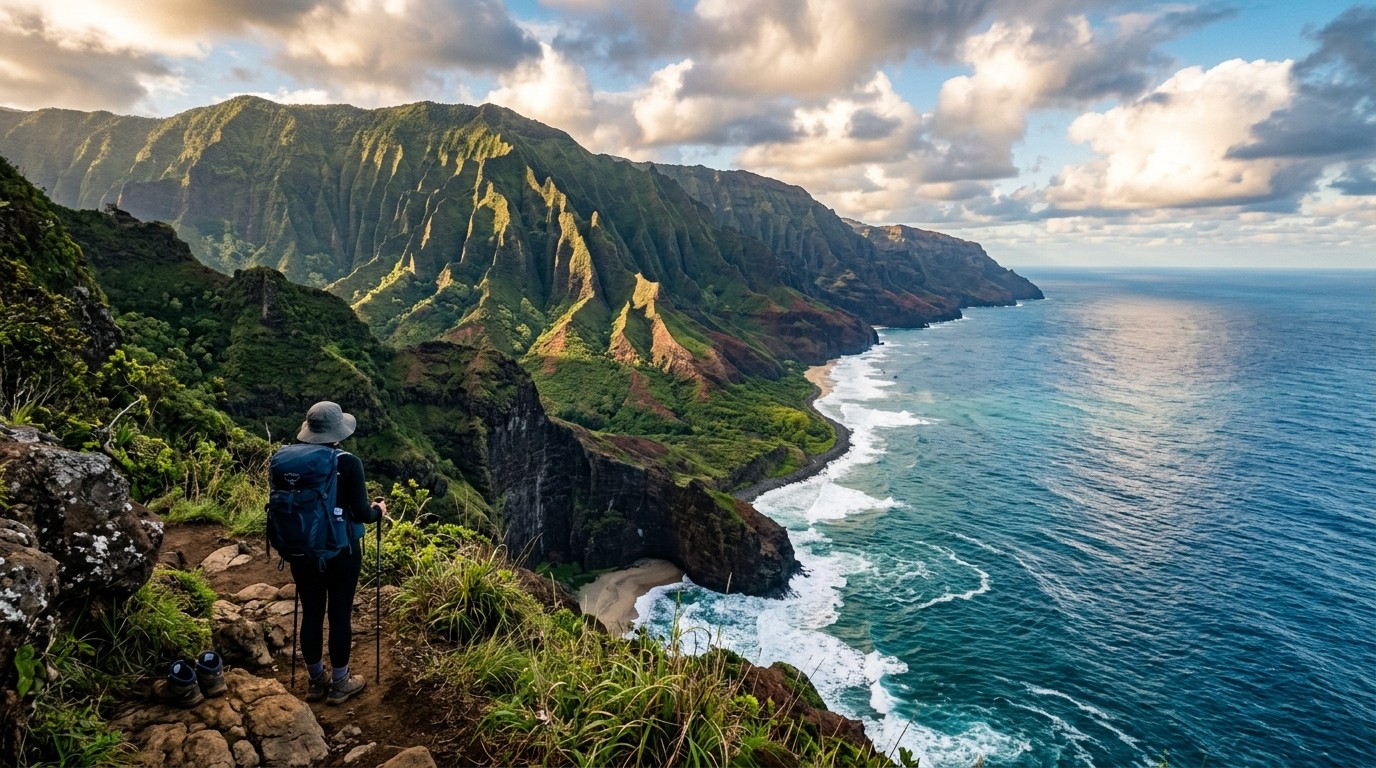
The right destination can shape your confidence. Ultimate Wild Travel Guide should always match terrain with current experience. A calm forest route, a lake region, a mountain loop, or a coastal path can all teach different lessons. The Best Places in Vermont may suit travelers who love seasonal scenery and structured outdoor access. The Best Places in Michigan may suit travelers who want water, forests, and a mix of accessible and remote experiences. Ultimate Wild Travel Guide helps you decide not by hype, but by readiness.
No single trip has to define your identity as an outdoor traveler. What matters is that each journey improves the next one. That is how wild travel becomes not just exciting, but sustainable. Ultimate Wild Travel Guide habits are built one trip at a time.
Conclusion
Wild travel is rewarding because it asks you to pay attention. Safety is not a restriction on adventure; it is the structure that allows adventure to happen with more confidence and less chaos. Health preparation, route research, weather awareness, food planning, and emergency readiness all work together to reduce risk and improve judgment. The real value of the outdoors is not only in the views. It is in the clarity that comes from handling hard conditions well. When you prepare seriously, travel responsibly, and respect your limits, the wilderness becomes less intimidating and far more meaningful. That is the heart of the journey. Ultimate Wild Travel Guide stays useful because it turns lessons into habits.
Frequently Asked Questions (FAQ)
1. What makes wild travel different from normal travel?
Wild travel usually happens farther from services, with less signal, changing weather, and fewer quick fixes. That means every decision matters more, from route choice to food and water planning.
2. Do I really need insurance for outdoor trips?
Yes, especially if the trip involves remote areas, hiking, climbing, paddling, or evacuation risk. A good policy can help with medical costs, trip interruption, and transport issues.
3. What is the most important safety item to carry?
There is no single item, but navigation tools, water treatment, and a reliable way to communicate are among the most important. A headlamp also becomes essential more often than people expect.
4. How do I know if a route is too difficult?
Look at distance, elevation, weather exposure, access to help, and your own experience level. If several unknowns stack together, the route may be too ambitious for your current skill.
5. What should I learn before a remote trip?
Basic navigation, first aid, weather reading, layering, hydration, and emergency response are strong starting points. Practical skills matter more than fancy gear.
6. Is solo wild travel safe?
It can be, but the margin for error is smaller. Solo travelers should be extra careful with route planning, communication, timing, and turnaround decisions.
7. How much food and water should I bring?
Bring more than you think you need, within reason. Use the trip length, weather, exertion level, and refill options to estimate the right amount, and always keep a reserve.
8. What should I do if weather changes suddenly?
Slow down, reassess, and choose the safest next step. Sometimes that means sheltering, turning back, or changing the route rather than pushing ahead.
9. Why is wilderness first aid so valuable?
It teaches you how to assess problems calmly in the field and how to manage injuries before help arrives. That skill can make a huge difference in remote settings.
10. What is the best way to improve over time?
Review each trip honestly. Keep what worked, fix what failed, and make your next plan a little smarter. Experience becomes useful when it is reflected on, not just collected.




Leave a Reply