

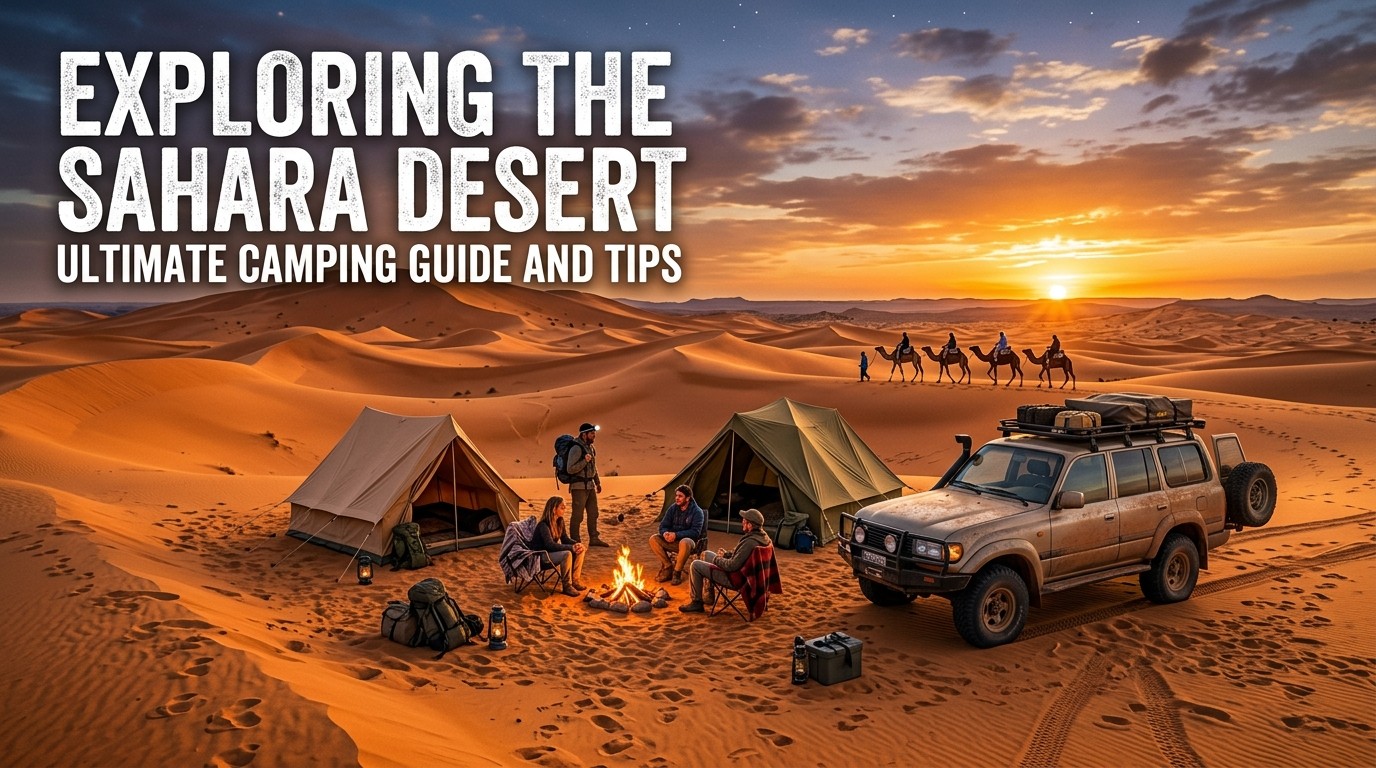
Embarking on camping in the Sahara Desert represents the pinnacle of wilderness adventure. Spanning over nine million square kilometers across North Africa, the Sahara offers an ever-changing tapestry of golden dunes, rocky plateaus, salt pans, and hidden oases. In today’s digital landscape, travelers seeking an authentic off-grid experience are drawn to this immense expanse where daytime temperatures soar and nights reveal a celestial dome of stars. This year (2026), adventurers are more equipped than ever, with lightweight gear, GPS navigation, and sustainable camping techniques making it possible to explore remote tracts safely and responsibly.
However, venturing into the Sahara demands thorough preparation. From choosing the right route among distinct subregions to mastering survival skills for extreme heat and biting nighttime cold, every aspect of planning can mean the difference between an unforgettable journey and a life-threatening ordeal. Understanding local customs, packing specialized equipment, and developing navigation strategies are crucial when engaging in desert camping. Whether traveling by 4×4, joining a camel caravan, or embarking on a guided trek, familiarity with the desert’s unique challenges will enhance safety and enjoyment.
This comprehensive guide covers everything you need to know about camping in the Sahara Desert. You will learn how to select an appropriate itinerary, assemble essential gear, implement survival techniques, navigate shifting sands, and respect the rich cultural traditions of indigenous communities. By the end of this article, you will be armed with expert insights and reliable resources—such as information from the United Nations Convention to Combat Desertification UNCCD and NASA’s Earth Observatory NASA Earth Observatory to plan your ultimate desert camping expedition.
Selecting Your Sahara Desert Route
Choosing the perfect route is the first step in planning your Sahara Desert camping adventure. The Sahara is not a monolithic landscape; it comprises several regions, each with distinct terrain, climates, and cultural landmarks. Today, popular corridors include Moroccan Erg Chebbi, Tunisian Chott el Jerid, Algerian Hoggar, and Niger’s Air and Ténéré plateau. Consider your preferred mode of transport—whether a 4×4 vehicle, camel caravan, or guided foot trek—plus your desired level of remoteness and trip duration.
Moroccan Erg Chebbi
Situated near the town of Merzouga, Erg Chebbi features towering dunes that can exceed 150 meters in height. Accessible by 4×4 tracks or camel train, this area combines ease of entry with dramatic scenery. Camping here allows you to experience sunrise over rolling sands and evening gatherings around campfires. Merzouga also serves as a logistical hub for provisioning water, fuel, and local guides.
Tunisian Chott el Jerid and Ksar Ghilane
Venturing from Douz, known as the gateway to the Tunisian Sahara, you cross salt flats on the way to Ksar Ghilane oasis. This route blends salt-crusted panoramas with verdant date palms and a geothermal spring. Campers can alternate between sleeping under palm canopies and surveying the expansive Chott el Jerid salt pan, one of the largest in the world.
Algerian Hoggar Mountains
For experienced travelers, the Hoggar region around Tamanrasset delivers rugged volcanic outcrops, ancient rock art sites, and high-altitude desert trails. Camping at elevations above 1,500 meters introduces cooler nights and unpredictable weather, so be prepared for rapid temperature fluctuations. Local Tuareg guides offer invaluable knowledge of hidden valleys and cultural traditions.
Niger’s Air and Ténéré Plateau
The Air and Ténéré massif presents a vast, high-desert environment of rocky plains and isolated massifs. This remote stretch demands self-sufficiency, advanced navigation skills, and reliable communication tools. Travelers often rely on satellite messaging devices to maintain contact with emergency services, aligning with best practices recommended by research institutions like the Institute of Desert Research at the University of Arizona (UDR).
When selecting your route, factor in factors such as permit requirements, season, complexity of desert tracks, availability of water sources, and proximity to emergency services. Matching your chosen path to your skill level and equipment capability ensures a rewarding, manageable adventure.
Essential Equipment for Sahara Desert Camping
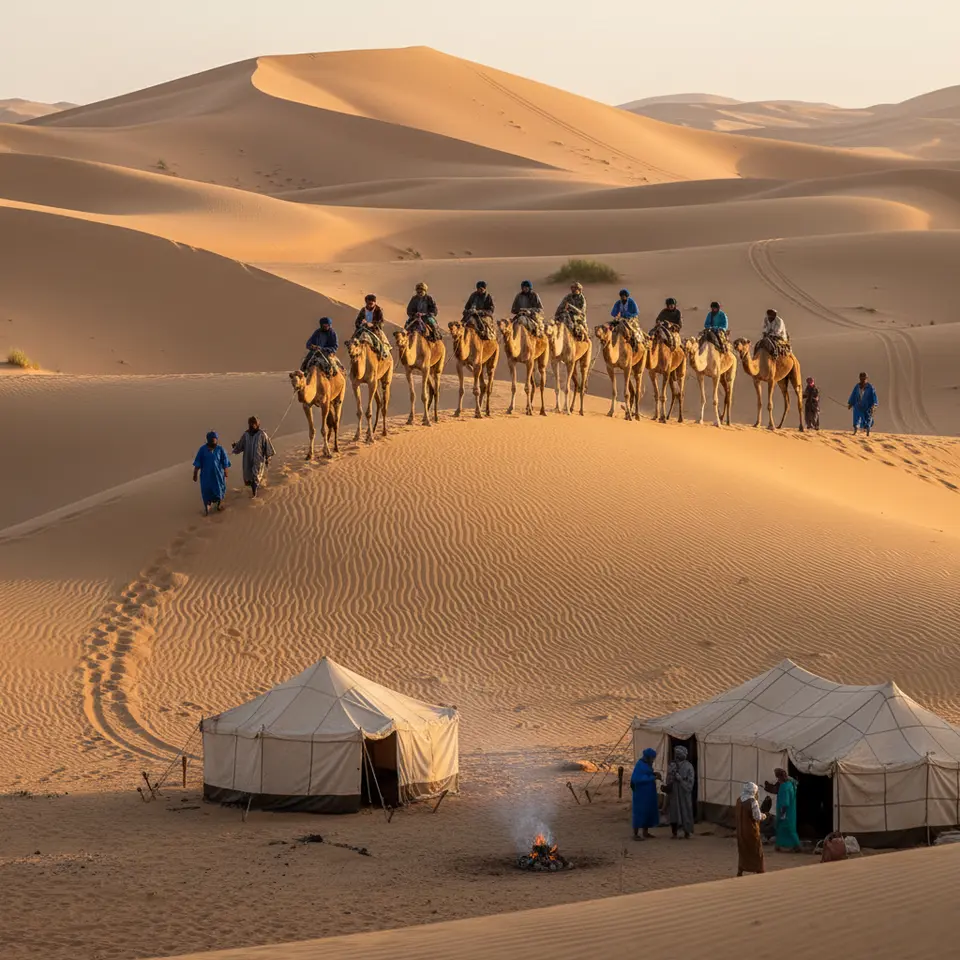
Proper gear is vital when camping in the Sahara Desert. You must prepare for daytime heat that can exceed 45°C and nighttime lows that dip toward freezing. Below is a detailed list of must-have equipment for an extended Sahara excursion.
Shelter and Sleeping System
- A three-season tent with sand skirts: Look for a breathable canopy and vestibule to shield against sand intrusion while allowing air circulation.
- Sturdy tent pegs or sand anchors: Lightweight deadman anchors or screw pegs designed for loose substrates.
- Insulated sleeping pad: Closed-cell foam or inflatable pads rated for ground insulation.
- 0°C-rated sleeping bag: Down or synthetic fill with a removable liner for hygiene and extra warmth.
Hydration and Nutrition
- Water capacity of at least 4 liters per person per day: Use collapsible reservoirs and hard bottles.
- Water purification tools: UV filter or chemical tablets to treat unforeseen water sources.
- Compact stove with windscreen: Butane or liquid-fuel burners with fuel stability in extreme temperatures.
- High-calorie, dehydrated meals: Prioritize energy-dense foods like nuts, energy bars, freeze-dried entrees, and electrolyte powders.
Clothing and Sun Protection
- Loose, breathable clothing: Long-sleeve shirts and pants in lightweight, moisture-wicking fabrics.
- Wide-brimmed hat and UV-blocking sunglasses.
- Shemagh or buff: Offers protection during sandstorms and provides sun shielding.
- SPF 50+ sunscreen and lip balm: Reapply frequently during the day.
Navigation and Communication
- GPS device with preloaded waypoints: Garmin or similar units with desert mapping.
- Paper maps and compass: Redundant backup in case electronics fail.
- Personal locator beacon (PLB) or satellite messenger: PLBs registered with local rescue authorities.
- Satellite phone: Recommended for remote sections without mobile coverage.
First Aid and Emergency Supplies
- Comprehensive first aid kit: Include blister care, antiseptic, bandages, and electrolyte replacement.
- Snakebite kit: If traveling in regions with vipers or scorpions.
- Multi-tool or survival knife and duct tape for equipment repairs.
- High-output headlamp with spare batteries.
Investing in quality gear enhances comfort, safety, and resilience during your desert camping trip. Pack efficiently and test all equipment before departure to ensure reliability under demanding conditions.
Techniques for Desert Survival
Survival in the Sahara requires adaptable strategies to cope with extreme temperature swings, sandstorms, and scarce water sources. Below are proven techniques for maximizing safety and endurance.
Temperature Management
Heat stress is a leading risk during Sahara excursions. Plan strenuous activity for pre-dawn and dusk hours, reserving the hottest midday period for rest. Utilize natural or improvised shade—rock overhangs or tent canopies—to avoid direct sun exposure. Evaporative cooling can be achieved by dampening a bandana or buff and placing it around the neck. Always monitor heart rate and watch for early signs of heat exhaustion, such as excessive sweating, headache, or nausea.
Sandstorm Protocol
Sandstorms can arise with little warning, lasting minutes to hours. Secure tents by tightening all guylines and burying sand skirts. Cover your face with a shemagh or buff, and protect eyewear with neoprene straps to keep lenses closed. Shield electronic equipment in weatherproof cases, and suspend all camp activities until visibility and wind speeds subside.
Water Conservation and Sourcing
Ration existing water supplies by sipping consistently rather than gulping. In emergencies, consider dew harvesting: stretch clear plastic sheeting between rocks to collect condensing moisture overnight. If you locate a natural spring or well, filter and purify with UV pens or purification tablets before consumption. Familiarize yourself with desert plants like tamarisk and certain grasses, which can indicate underground moisture presence.
Fire Safety and Cooking
Open flames can ignite dry vegetation or fossilized wood. Opt for a compact stove with a windscreen on hard-packed sand to contain heat. Clear the cooking area of loose debris, and always douse embers completely with water or sand. Store fuel canisters upright and away from direct sunlight to minimize pressurization risks.
Implementing these survival techniques will bolster your confidence when camping in the Sahara Desert. Training and preparation are vital—consider attending a wilderness safety course from accredited institutions such as the National Outdoor Leadership School (NOLS).
Navigating the Ever-Shifting Sands
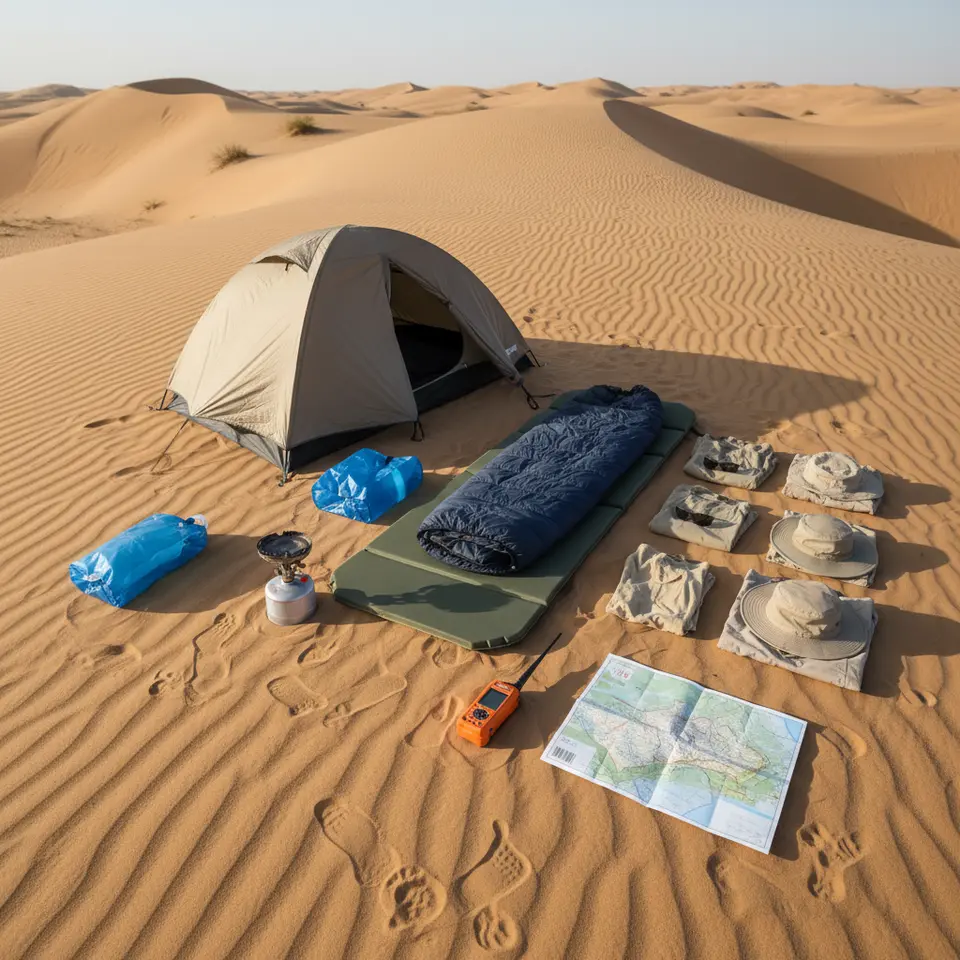
The desert’s dynamic nature can render tracks unreliable and landmarks ephemeral. A robust navigation plan combines modern electronics with traditional methods to keep you on course.
Redundant Navigation Tools
Use a GPS device as your primary guide but always carry a map and compass. If battery power depletes or devices malfunction, paper charts and a reliable compass orient you to key waypoints. Mark your campsite and significant dunes with reflective flagging tape tied to trekking poles, providing visual cues during dune ascents and descents.
Landmark-Based Travel
Even subtle features—isolated rock outcrops, ridgeline silhouettes, or clusters of date palms—serve as critical navigation references. Observe the sun’s arc or use celestial navigation at night by locating Polaris if traveling in the Northern Hemisphere. Involving local guides familiar with desert patterns adds an invaluable layer of safety and regional insight.
Route Planning and Daily Leg Management
Divide your overall route into manageable daily segments based on fuel, water availability, and daylight hours. Establish contingency waypoints—backup campsites within reachable distance in case of delays. Record your progress in a journal or satellite messenger log to support rescue operations if needed.
Emergency Communication
Before departing cell coverage areas, send a detailed itinerary to a trusted contact. Activate your personal locator beacon (PLB) only in genuine emergencies to avoid false alerts. Follow guidelines provided by government rescue services and International Association for Suicide Prevention protocols to guarantee timely response.
By integrating multiple navigation strategies, you maintain direction and confidence while camping in the Sahara Desert, significantly reducing the risk of disorientation.
Respecting Local Culture and Traditions
The Sahara is home to nomadic and semi-nomadic peoples whose customs have endured for centuries. Engaging respectfully with communities such as the Tuareg, Berber, and Arab tribes enriches your desert experience and supports sustainable Wild Travel Guide practices.
Basic Greetings and Etiquette
Learning simple phrases in Tamasheq or Arabic fosters goodwill. For instance, greeting someone with as?mulallek or marhaban demonstrates respect. When invited for tea—a symbol of hospitality—accept the first, sugar-free cup and enjoy the second sweetened serving. Observing these customs deepens cultural connections.
Modest Attire and Behavior
Wear long sleeves and trousers for both men and women to honor local norms regarding modesty. Avoid overly bright or revealing clothing. Maintain polite body language: do not point soles of feet toward others, and seek permission before photographing people. These small gestures go a long way in building trust.
Supporting Community Livelihoods
Choose campsites operated by families or cooperatives, ensuring tourism revenue remains in the local economy. Purchase handcrafted goods—woven carpets, silver jewelry, or leatherwork—directly from artisans. This practice aligns with guidelines from the United Nations World Tourism Organization (UNWTO), promoting ethical tourism policies.
Cultural Exchange and Learning
Participate in evening gatherings around the fire to hear traditional stories, music, and learn about desert survival techniques passed down through generations. This cultural immersion transforms a simple camping trip into an educational journey, highlighting the human adaptability that thrives in one of Earth’s toughest environments.
Respecting and understanding local traditions not only enriches your Adventure Travel Insurance but also fosters positive relationships that benefit both travelers and host communities.
Advanced Planning for Desert Expeditions
Successful desert travel begins long before you set foot on the sand. Exploring the Sahara Desert requires careful logistical planning, including route mapping, permit checks, and seasonal timing. Many regions of the Sahara become inaccessible during extreme heat or sandstorm seasons, so selecting the right window is critical.
Modern travelers Exploring the Sahara Desert now rely on digital tools like satellite maps and climate forecasting apps to predict safe travel conditions. However, traditional knowledge from local guides remains invaluable. When Exploring the Sahara Desert, always cross-check modern navigation systems with indigenous route expertise.
Budget allocation is another key factor. Those Exploring the Sahara Desert should prepare for higher costs in remote areas due to transport, fuel, and guide services. Planning ensures safety, comfort, and a more immersive desert experience.
Deep Dive into Desert Ecosystems
The Sahara is not empty—it is a complex ecosystem with unique biodiversity. While Exploring the Sahara Desert, travelers may encounter desert foxes, reptiles, and hardy plant species adapted to extreme conditions.
Understanding ecology is essential when Exploring the Sahara Desert, as it helps travelers respect fragile environments. Even small disturbances can impact water sources or animal habitats. Scientific research shows that Exploring the Sahara Desert responsibly contributes to conservation awareness.
Every region offers a different ecological pattern. People Exploring the Sahara Desert in dune zones will see different biodiversity compared to rocky plateaus or oasis regions. This diversity makes each journey unique and educational.
Survival Psychology and Mental Preparation
Mental strength is just as important as physical preparation when Exploring the Sahara Desert. Isolation, silence, and extreme conditions can challenge even experienced travelers.
Those Exploring the Sahara Desert must train their mindset for patience and adaptability. The vast emptiness often creates a psychological effect known as “desert reflection,” where travelers become more introspective.
Experienced guides emphasize that Exploring the Sahara Desert requires emotional balance. Panic management, stress control, and calm decision-making are essential survival skills. With the right mindset, Exploring the Sahara Desert becomes not just a journey, but a transformative personal experience.
Advanced Navigation Techniques
Navigation in the desert is extremely challenging due to shifting dunes. While Exploring the Sahara Desert, travelers must combine GPS tools with traditional compass skills.
Even experienced adventurers Exploring the Sahara Desert rely on celestial navigation at night, using stars as reference points. Landmarks like rock formations and dry riverbeds are also essential guides.
One major rule when Exploring the Sahara Desert is never to rely on a single navigation system. Redundancy ensures safety. Travelers Exploring the Sahara Desert should always mark their path visually and digitally to avoid disorientation in vast sandscapes.
Health Risks and Medical Preparedness
Health safety is critical when Exploring the Sahara Desert. Common risks include dehydration, heatstroke, and sand-related eye injuries.
Medical experts recommend that anyone Exploring the Sahara Desert carry a well-stocked first aid kit, including electrolyte solutions and rehydration salts. Emergency evacuation plans should always be prepared in advance.
Travelers Exploring the Sahara Desert must also be aware of temperature fluctuations that can cause hypothermia at night. Proper clothing and hydration strategies significantly reduce health risks while Exploring the Sahara Desert.
Sustainable Tourism and Environmental Responsibility
Sustainability is essential for protecting the fragile desert environment. Those Exploring the Sahara Desert must follow strict “leave no trace” principles.
Plastic waste, fuel spills, and campsite damage can have long-term effects. Responsible travelers Exploring the Sahara Desert should minimize environmental impact by using reusable equipment and eco-friendly supplies.
Local communities also depend on tourism. Supporting ethical camps and guides while Exploring the Sahara Desert ensures economic benefits reach indigenous populations. Sustainability makes Exploring the Sahara Desert a positive experience for both travelers and locals.
Cultural Immersion and Human Connection
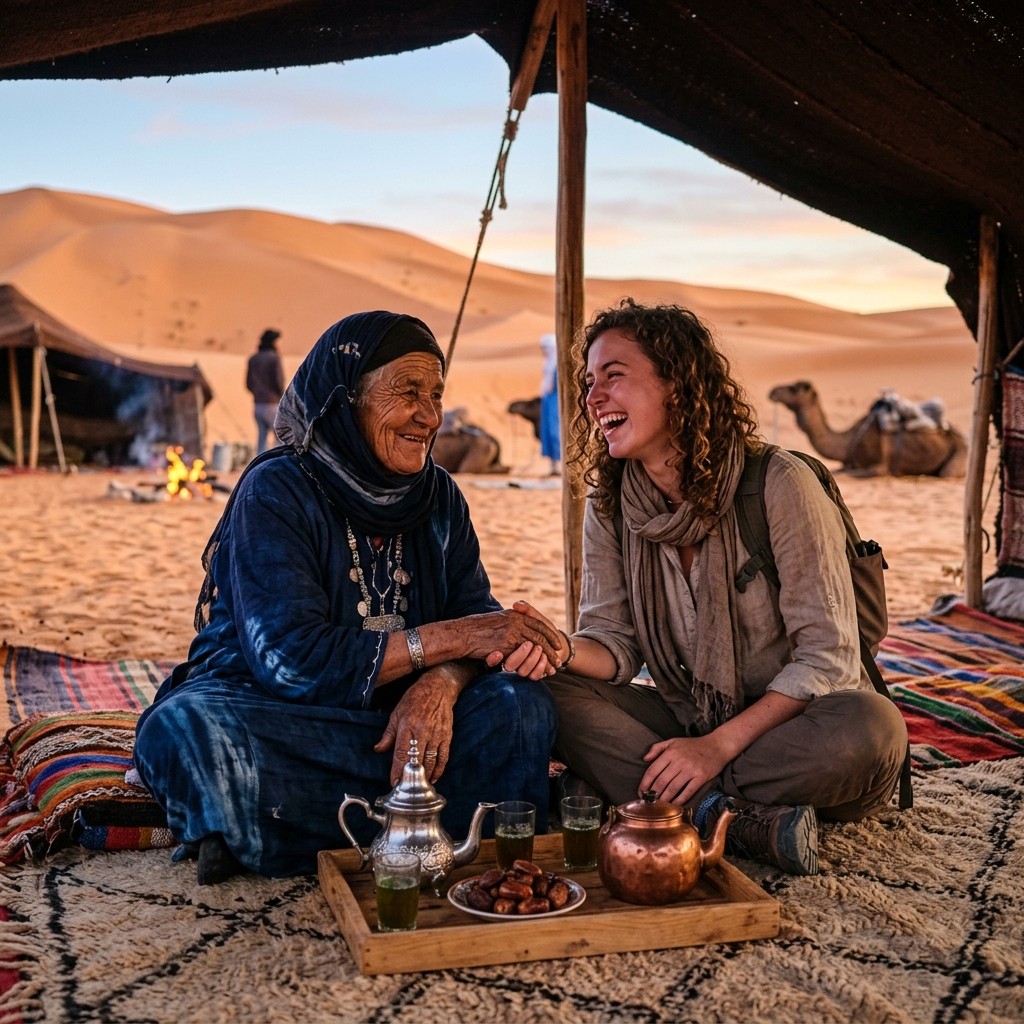
The Sahara is not only a natural wonder but also a cultural landscape. While Exploring the Sahara Desert, travelers encounter nomadic tribes like the Tuareg, known for their rich traditions and hospitality.
Engaging respectfully with locals is essential when Exploring the Sahara Desert. Sharing tea, listening to stories, and learning survival traditions create meaningful cultural exchanges.
Those Exploring the Sahara Desert often find that human connection is the most memorable part of the journey. Cultural respect transforms Exploring the Sahara Desert from a simple adventure into a deeply enriching life experience.
Conclusion
Camping in the Sahara Desert is a transformative journey through staggering landscapes, ancient cultures, and elemental extremes. This year (2026), equipped with advanced gear, robust survival strategies, and a deep respect for local traditions, more adventurers are discovering how to traverse the desert safely and sustainably. From selecting the optimal route among Erg Chebbi, Chott el Jerid, Hoggar, or the Ténéré plateau, to mastering hydration, navigation, and cultural etiquette, each aspect plays a crucial role in ensuring a successful expedition.
By integrating GPS devices, traditional compass navigation, and expert guidance from indigenous communities, you can confidently navigate the ever-shifting sands. Embracing sustainable practices—such as supporting local cooperative campsites and following leave-no-trace principles—helps preserve this fragile ecosystem for future generations. Whether you choose to camp under a canopy of dunes, swap stories around a crackling fire, or marvel at an endless starfield, the Sahara’s unparalleled beauty and solitude promise an adventure unlike any other.
Prepare meticulously, respect the desert’s power, and open yourself to the cultural richness of nomadic life. In doing so, you’ll emerge not just with memories of endless horizons, but with a deeper appreciation for resilience, tradition, and the timeless allure of the world’s largest hot desert.




Leave a Reply