

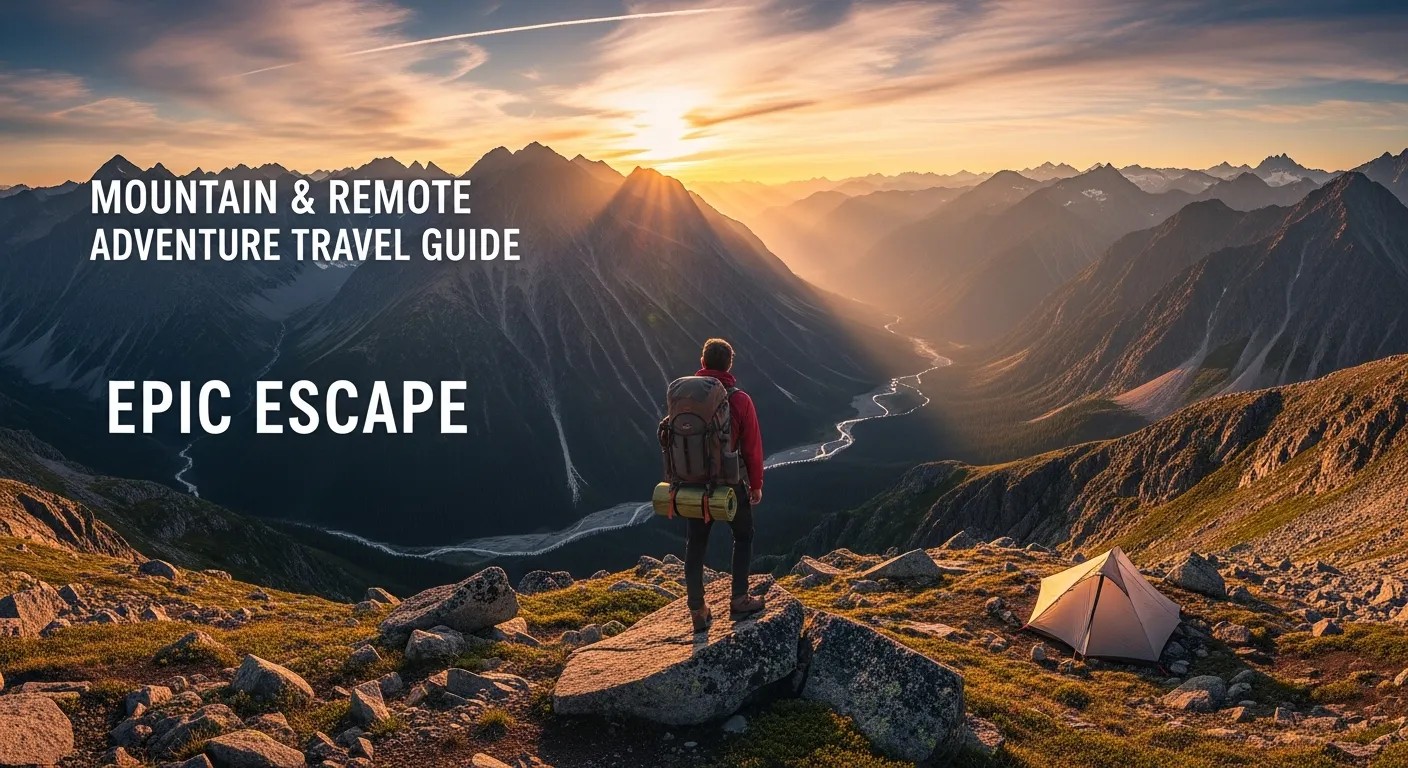
This Mountain and Remote Adventure Travel Guide helps you plan safer, smarter, and more rewarding trips into wild places by balancing fitness, timing, gear, budget, and mindset.
A true mountain trip is never only about reaching a summit or standing in a remote valley. It is about how prepared you feel before you leave, how clearly you understand the terrain, and how calmly you respond when conditions change. A good Mountain and Remote Adventure Travel Guide should therefore do more than inspire you. It should help you make better decisions, reduce risk, and enjoy the adventure with confidence. The best remote journeys are built on planning, not guesswork, and that planning begins long before you pack your bag.
People are often drawn to mountain travel for different reasons. Some want silence, some want challenge, and some want the emotional reset that comes from being far away from ordinary life. A Mountain and Remote Adventure Travel Guide becomes valuable because it connects those emotions to practical action. When the adventure is remote, you cannot rely on convenience, quick replacements, or easy exits. The more isolated the destination, the more important your preparation becomes. That is why smart mountain travel is a mix of imagination and discipline.
Remote adventure also changes how travelers think about value. You are no longer buying only transportation, food, and a place to sleep. You are buying access, safety, freedom, and a memory that may stay with you for years. This Mountain & Remote Adventure Travel Guide is built around that idea. It helps you see the journey as a complete system, where route choice, physical readiness, weather awareness, and budget all work together. Once you start thinking this way, the trip becomes less chaotic and much more meaningful.
Choosing the right destination
The first step in any Mountain & Remote Adventure Travel Guide is choosing a destination that matches your current ability, time, and tolerance for discomfort. Many travelers make the mistake of choosing the most dramatic place instead of the most appropriate one. Remote landscapes can be beautiful, but beauty alone does not make them suitable. A good match between destination and skill level creates a better trip, better confidence, and fewer regrets later.
When evaluating a destination, think about the type of challenge it creates. Some places require altitude tolerance, some demand technical footwork, and others require long days of walking with limited services. A Mountain & Remote Adventure Travel Guide should help you ask better questions before you book. How long is the route? How reliable is the weather? How isolated is the trail? How much support is available if something goes wrong? These questions matter more than marketing language.
For many travelers, inspiration starts with a famous route. A Patagonia Hiking Guide may spark the dream of wide glaciers, dramatic weather, and long, raw trails that feel far from everyday life. That kind of destination can be deeply rewarding, but it also requires realistic expectations. Patagonia is not a casual getaway. It asks for patience, resilience, and adaptability. When you view it through the lens of a Mountain & Remote Adventure Travel Guide, it becomes easier to see why preparation matters so much.
Building fitness and altitude readiness
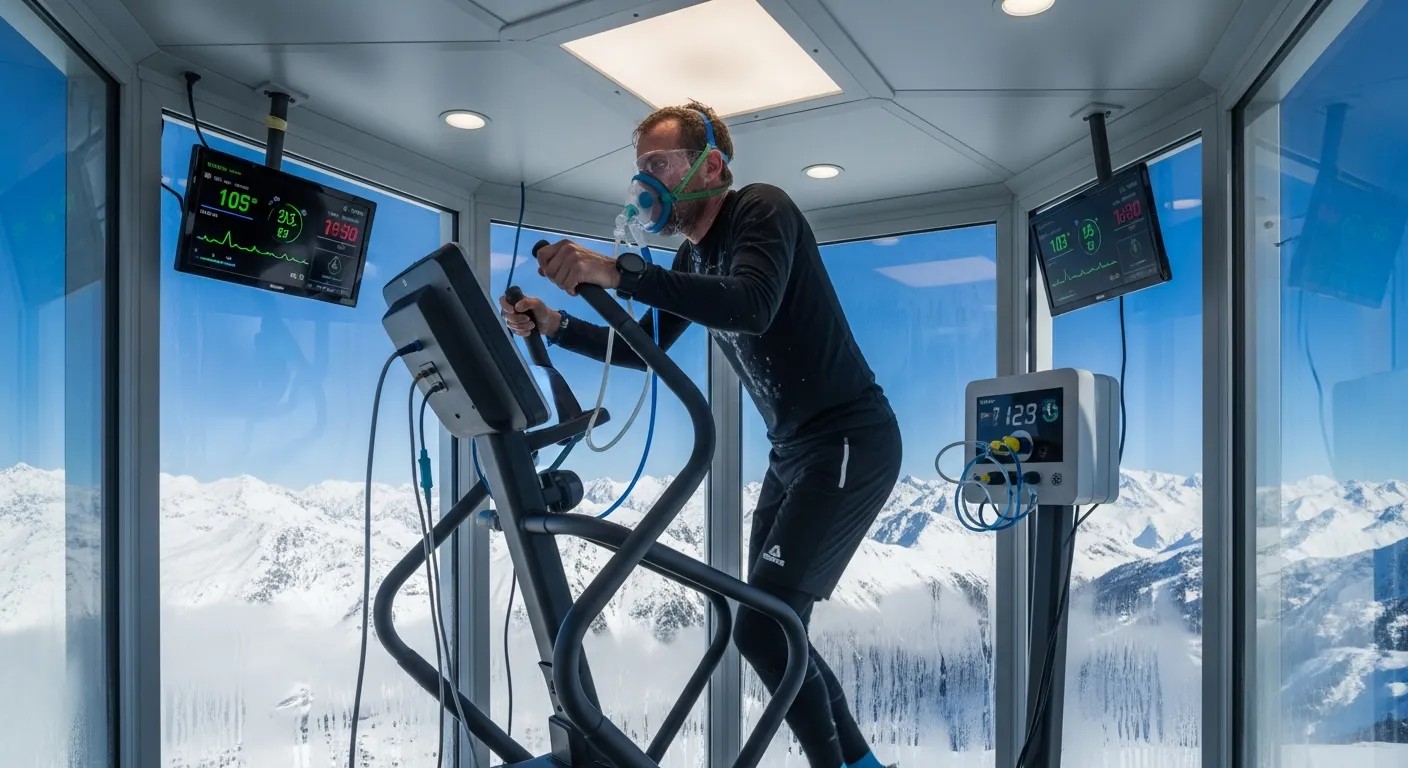
A mountain trip feels far easier when your body is ready for it. This Mountain & Remote Adventure Travel Guide is not suggesting extreme athletic training for every traveler, but it does suggest honest preparation. If you are planning long hikes, steep climbs, or high-altitude days, you need enough stamina to move steadily without burning out. That means walking, climbing stairs, strengthening your legs, and learning how your body responds to sustained effort.
Altitude deserves special attention. Remote mountains often combine physical effort with thinner air, which can make even simple movement feel harder. A Mountain & Remote Adventure Travel Guide should remind you that fitness and altitude are related but not identical. A strong runner can still struggle at elevation, and a casual walker can sometimes adapt better than expected if they arrive well rested and move carefully. The important part is respecting the environment rather than assuming the body will simply “push through.”
Before the trip, it helps to build a realistic training routine. Start with endurance, add incline work, and include carrying a loaded daypack if your route requires one. A Mountain & Remote Adventure Travel Guide is most effective when it turns vague goals into specific habits. You do not need to become a mountaineer overnight. You need to become the kind of traveler who can keep moving comfortably, conserve energy, and make better decisions when the terrain becomes demanding.
Reading the route before you go
Good mountain planning is about understanding the route, not just the destination. Every remote journey contains small decisions that shape the outcome: when to start, where to rest, which direction to walk, and when to turn back. A strong Mountain & Remote Adventure Travel Guide encourages you to study maps, elevation profiles, distance, and common weather patterns before you commit. The more you know in advance, the fewer surprises you face on the ground.
One useful habit is to divide the route into phases. Think about the approach, the hardest section, the overnight segment, and the return path. This makes the adventure feel less overwhelming and helps you identify where you will need the most energy. A Mountain & Remote Adventure Travel Guide becomes practical when it helps you see the trip as a sequence rather than one large unknown. That shift reduces anxiety and supports better pacing.
If your dream includes higher mountains, you may eventually look at Kilimanjaro Climb Routes as a model for how route choice affects comfort, acclimatization, and confidence. Even when you are not climbing that specific mountain, the lesson still matters: not all routes are equal, and the “best” route is the one that matches your goals, your fitness, and your need for safety. A thoughtful traveler learns to value route design as much as scenery.
Weather, season, and timing
Weather is one of the most important variables in any remote journey, yet many travelers give it too little attention. A Mountain & Remote Adventure Travel Guide should push you to treat weather as a core planning factor, not a last-minute detail. Wind, rain, snow, temperature shifts, and visibility changes can all influence safety and enjoyment. In remote places, weather is not just background. It is part of the challenge.
Timing matters because different seasons change the personality of the same route. A path that feels manageable in one month may become exhausting or dangerous in another. A Mountain & Remote Adventure Travel Guide helps you choose the season that matches your goals. If you want clearer trails and easier logistics, you may prefer a more stable window. If you want solitude and dramatic conditions, you may accept added difficulty in exchange for a wilder experience.
The best approach is to align timing with intention. Some travelers want comfort, while others want raw adventure. Both are valid. A Mountain and Remote Adventure Travel Guide works best when it helps you define what “success” means for you. Success might be a safe summit, a peaceful multi-day hike, or simply returning home with stronger confidence. Once your goal is clear, timing becomes easier to evaluate.
Gear that supports the experience
Gear should never become the main story, but it can make or break the story you live. A Mountain and Remote Adventure Travel Guide should always separate essential gear from optional gear. The essentials are the items that keep you warm, dry, safe, and able to move. The optional items are the comforts that may improve the journey but are not necessary for survival or basic performance. Knowing the difference keeps your pack smarter and lighter.
Footwear is one of the biggest decisions. On remote routes, a bad shoe choice can cause blisters, fatigue, and loss of confidence. Clothing matters just as much because mountain weather can change quickly. A Mountain and Remote Adventure Travel Guide should encourage layers, moisture control, and protection from wind and rain. You are not dressing for a city stroll. You are dressing for exposure, exertion, and uncertainty.
A useful mindset is to pack for function, not fantasy. That means choosing gear you have tested before the trip. Never use a remote adventure as the first trial for a new boot, jacket, or backpack. A Mountain and Remote Adventure Travel Guide becomes more powerful when it turns gear selection into a comfort strategy. If your equipment works well, you think less about discomfort and more about the experience itself.
Safety, support, and the role of guides
Remote travel rewards independence, but independence should never mean carelessness. A Mountain and Remote Adventure Travel Guide must include honest thinking about safety, emergency options, and local support. In remote places, the distance between a small problem and a serious one can be surprisingly short. That is why planning for communication, backup routes, and support systems is not overcautious. It is smart.
Guided and self-guided travel each have value. Some travelers want the structure and local insight of a guide, while others prefer greater freedom and solitude. A Mountain and Remote Adventure Travel Guide helps you choose based on experience and risk tolerance. If you are new to mountain environments, a guide can reduce uncertainty and improve decision-making. If you are experienced, self-guided travel may feel more rewarding. The right choice depends on what you need, not what looks impressive.
Safety also means knowing when to slow down. Many bad decisions in the mountains come from ego, excitement, or fear of missing out. A Mountain and Remote Adventure Travel Guide should remind you that turning back is not failure. It is information. Good travelers respect conditions, listen to their bodies, and accept that some days are for progress while others are for caution. That discipline often leads to better long-term adventure experiences.
Budgeting for remote travel
Remote trips can feel expensive because the costs are spread across many categories. Flights, ground transport, lodging, permits, food, guides, and gear all add up. A Mountain and Remote Adventure Travel Guide is valuable when it helps you see the total cost instead of focusing only on the headline price. A low airfare may be attractive, but it may not matter if the route creates expensive transfers or long delays.
Smart budgeting begins with priorities. Decide where spending matters most. For one traveler, that may be a reliable guide. For another, it may be better sleeping gear or a more forgiving flight schedule. A Mountain and Remote Adventure Travel Guide should help you spend intentionally rather than emotionally. The question is not “What is cheapest?” The question is “What supports the trip I actually want?”
Travel benefits can also support the budget. Airline Travel Programs And Perks may reduce costs through better baggage treatment, flexibility, or rewards that offset future travel. For frequent travelers, Airline Loyalty Programs can also create value over time by turning repeated flights into useful points or status benefits. Those advantages matter most when they align with the kind of remote adventure you plan to repeat, not when they are collected without a clear purpose.
How flights shape the whole trip

Flights are often treated like the least interesting part of the journey, but they are actually one of the most important. A Mountain and Remote Adventure Travel Guide should treat air travel as part of the adventure system, not a separate administrative task. If your flights are poorly timed, you may arrive tired, rushed, or unable to adapt to local conditions. If they are chosen well, they give you a calmer start and a stronger finish.
This is where planning becomes strategic. Look at arrival times, connection length, baggage rules, and recovery time before your hike or climb begins. A Mountain and Remote Adventure Travel Guide is not only about trails. It is also about how you arrive at the trail. A badly chosen flight can undo excellent preparation. A thoughtfully chosen flight can give you the physical and mental margin that remote travel demands.
Some travelers also compare loyalty value when choosing airlines. That is sensible if it supports the broader trip pattern. The best use of Airline Travel Programs And Perks is not chasing random benefits. It is selecting flights that help you move more efficiently and recover better. If a route offers a useful balance of convenience and rewards, it may be more valuable than a slightly cheaper fare with worse timing.
Mental resilience and remote adventure
The mind matters as much as the legs in mountain travel. A Mountain and Remote Adventure Travel Guide should include mental preparation because remote places often test patience, confidence, and adaptability. Rain may slow you down. Wind may disrupt your plans. Long climbs may feel more repetitive than dramatic. If you expect the trip to be effortless, frustration will appear quickly. If you expect challenge, the same conditions feel more manageable.
Mental resilience grows when expectations are realistic. That is one reason experienced travelers often enjoy remote routes so much. They understand that discomfort is part of the reward. A Mountain and Remote Adventure Travel Guide helps you shift from control to responsiveness. You cannot control the mountain, but you can control your pace, your decisions, and your attitude. That shift turns a hard trip into a meaningful one.
Confidence also comes from repetition. The more you practice planning, the easier remote travel feels. A Mountain and Remote Adventure Travel Guide is useful because it turns adventure into a repeatable process. You learn what to pack, how to recover, how to start early, and how to stop before exhaustion takes over. Those small habits create a more stable emotional experience, which matters just as much as physical readiness.
Learning from different mountain styles
Not all mountain experiences are the same. Some travelers want cold, exposed ridges. Others want long scenic walks. Some prefer iconic peaks, while others crave empty landscapes and solitude. A Mountain and Remote Adventure Travel Guide becomes more useful when it helps you compare these styles honestly. You are not choosing a destination only for its reputation. You are choosing the type of memory you want to create.
A route like Patagonia Hiking Guide represents one style of remote adventure: wild weather, dramatic scenery, and a strong sense of distance from ordinary life. Another style might be a high-altitude ascent where the challenge is less about long hiking distance and more about managing elevation, pacing, and adaptation. A Mountain and Remote Adventure Travel Guide should help you understand which style fits your personality and your current ability. The best trip is often the one that feels demanding in the right way.
This is why experience mapping matters. If you know that you enjoy open landscapes, you may choose one kind of mountain journey. If you love summit goals, you may choose another. A Mountain and Remote Adventure Travel Guide becomes a personal tool when it helps you match scenery, challenge, and comfort to your own preferences. That alignment creates deeper satisfaction and fewer regrets after the trip is over.
Planning the trip step by step
A great trip often starts with a simple sequence. First, define your purpose. Second, choose the destination. Third, check route difficulty and season. Fourth, estimate budget and logistics. Fifth, train and gather gear. Sixth, confirm transport and support. A Mountain and Remote Adventure Travel Guide becomes useful because it helps you break a large dream into manageable actions. That makes the adventure feel possible instead of abstract.
The planning stage is also where people often make emotional mistakes. They book too quickly, overestimate their readiness, or assume they will “figure it out later.” A Mountain and Remote Adventure Travel Guide encourages patience. Good planning is not procrastination. It is protection against avoidable problems. The more remote the destination, the more valuable that protection becomes.
You can improve the process by checking each decision against your real goals. If your goal is comfort, then choose easier logistics. If your goal is challenge, then accept the extra preparation. A Mountain and Remote Adventure Travel Guide works best when every decision supports the same direction. Mixed priorities create confusion. Clear priorities create momentum.
How to avoid common mistakes
One common mistake is underestimating the environment. Remote mountains are not city hikes with prettier views. They can be cold, wet, windy, and physically draining. A Mountain and Remote Adventure Travel Guide should warn against assuming that good weather will save poor planning. Conditions change, and so must your attitude. Respect the environment from the beginning instead of reacting to it at the last minute.
Another mistake is overpacking. Travelers often think more gear equals more safety, but excessive weight can become its own problem. A Mountain and Remote Adventure Travel Guide encourages the opposite: bring what is necessary, tested, and useful. Every item should earn its place in your pack. If it does not improve safety, warmth, hydration, or mobility, it may not belong.
A third mistake is choosing the trip for social media instead of personal readiness. A remote mountain journey is too important to be treated like a performance. A Mountain and Remote Adventure Travel Guide works best when it centers your experience, not your audience. The most meaningful trips are often the ones that feel private, difficult, and deeply earned.
From inspiration to actual departure
Many people love the idea of remote adventure but struggle to move from dreaming to doing. That transition becomes easier when your plan is specific. A Mountain and Remote Adventure Travel Guide should convert inspiration into action. Decide on dates, compare routes, check your fitness level, and identify the next practical step. Momentum grows from small decisions, not grand promises.
Even the process of booking can benefit from a wider travel strategy. Some travelers organize flights and rewards around long-term habits rather than isolated trips. Airline Travel Programs And Perks can reduce friction if they are used with intention, while Airline Loyalty Programs can add value when your journeys follow a repeated pattern. The point is not to become obsessed with points. The point is to remove unnecessary friction from the adventure.
When departure day finally comes, the value of preparation becomes obvious. You are calmer because the route makes sense. You are stronger because you trained. You are lighter because you packed better. A Mountain and Remote Adventure Travel Guide is successful when it makes the first day of travel feel less chaotic and more intentional. That is the beginning of a trip that can truly feel epic.
Practical mindset for the journey
The best adventure mindset is balanced. It is adventurous without being reckless and disciplined without being rigid. A Mountain and Remote Adventure Travel Guide should help you develop that balance. You want enough excitement to enjoy the unknown, but enough structure to stay safe and stable. That combination creates a trip that feels free rather than chaotic.
It also helps to accept that not every moment will be magical. Some parts will be tiring. Some will be repetitive. Some will be uncomfortable. A Mountain and Remote Adventure Travel Guide does not promise constant amazement. It offers a better way to handle the full experience. The memory you bring home will include effort, patience, and maybe a little discomfort, and that is exactly what makes it memorable.
By the end, you will likely notice that the trip changed more than your location. It may change how you plan, how you pack, how you move, and how you think about challenge. A Mountain and Remote Adventure Travel Guide is really a guide to making better decisions in difficult places. That is why it matters so much to travelers who want both freedom and confidence.
Conclusion
A remote mountain journey becomes more rewarding when every part of the plan supports the next one. The right destination, the right season, the right gear, the right pace, and the right mindset all work together to create a smoother experience. A Mountain and Remote Adventure Travel Guide is valuable because it turns big dreams into practical steps and helps you avoid the mistakes that make hard trips harder. Whether you are inspired by wide alpine landscapes, long-distance hikes, or iconic climbs, the best result comes from preparation and patience. Travel becomes richer when you understand the challenge before you meet it, respect the mountain’s pace, and move forward with purpose, clarity, and confidence.
Frequently Asked Questions (FAQ)
1. What is the main purpose of a Mountain and Remote Adventure Travel Guide?
It helps travelers prepare for difficult, isolated, and weather-sensitive trips by combining route planning, fitness, gear, budgeting, and safety into one practical approach.
2. How early should I start preparing for a remote mountain trip?
Start as early as you can, ideally weeks or months ahead. A Mountain and Remote Adventure Travel Guide works best when you have enough time to train, compare routes, and build confidence.
3. Is a guide necessary for every remote mountain trip?
Not always. Some experienced travelers prefer self-guided routes, while beginners often benefit from local guidance. A Mountain and Remote Adventure Travel Guide helps you decide based on risk and experience.
4. What should I prioritize first: gear or fitness?
Fitness comes first because even the best gear cannot replace physical readiness. A Mountain and Remote Adventure Travel Guide recommends building stamina and then choosing equipment that supports your route.
5. How do flights affect remote adventure planning?
Flights affect energy, timing, baggage, and recovery. A Mountain and Remote Adventure Travel Guide treats transportation as part of the whole journey, not a separate issue.
6. Are loyalty programs useful for adventure travelers?
Yes, especially for repeat travel. Airline Travel Programs And Perks and Airline Loyalty Programs can help reduce costs, improve flexibility, and make repeated trips more efficient.
7. What is the biggest mistake first-time mountain travelers make?
They usually underestimate the environment. A Mountain and Remote Adventure Travel Guide warns against assuming that a beautiful destination will automatically be easy or manageable.
8. Should I choose the most famous route?
Not necessarily. The best route is the one that matches your fitness, goals, and comfort with risk. A Mountain and Remote Adventure Travel Guide values fit over fame.
9. How can I make a remote trip less stressful?
Plan early, pack lightly, train consistently, and choose realistic goals. A Mountain and Remote Adventure Travel Guide reduces stress by turning uncertainty into a structured plan.
10. What makes a remote adventure truly memorable?
A mix of challenge, preparation, and emotional presence. A Mountain and Remote Adventure Travel Guide helps you create that balance so the trip feels meaningful, not chaotic.




Leave a Reply