

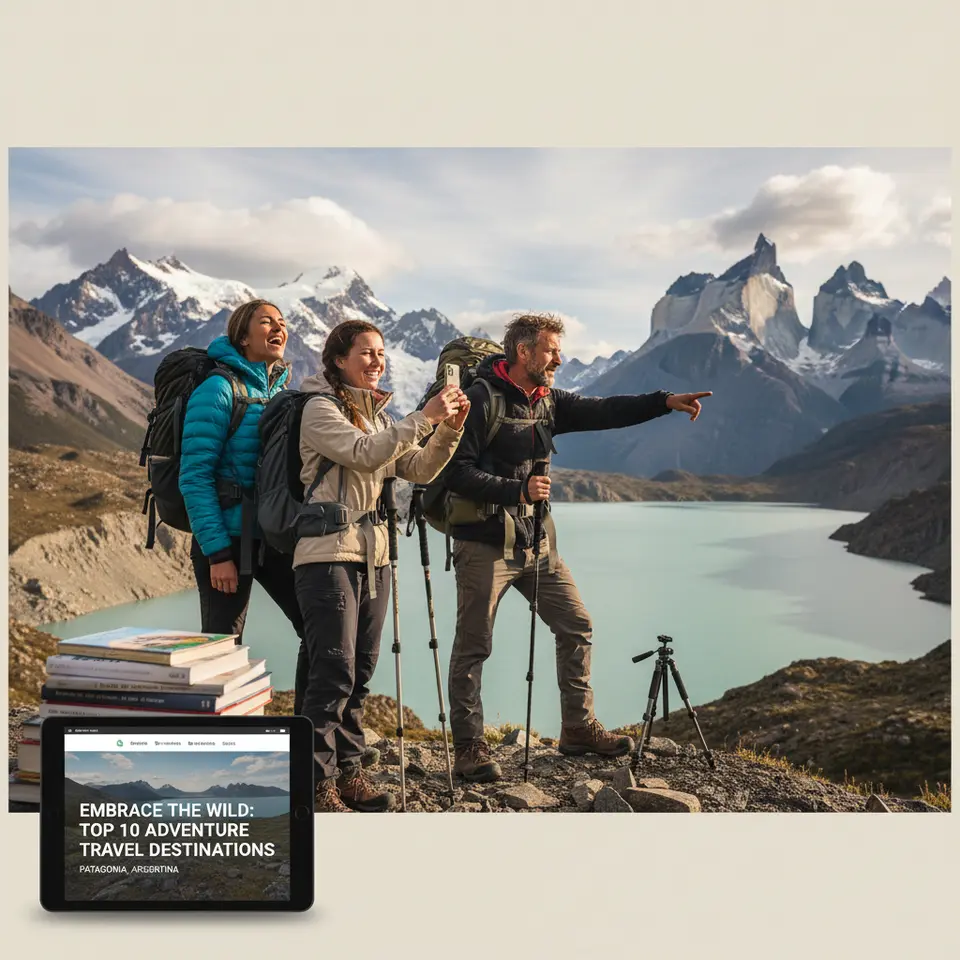
In today’s digital landscape, the call of uncharted territories resonates more powerfully than ever. As travelers seek deeper meaning beyond crowded hotspots, adventure travel destinations become gateways to authentic experiences. Whether you’re drawn to windswept tundras, dense rainforests, or jagged mountain ridges, immersing yourself in wild corners of the globe challenges your limits and refreshes your perspective. This year (2026), wanderers are prioritizing sustainability, cultural respect, and personal growth, transforming each journey into a profound exploration of self and planet. In this extensive guide, we’ll unravel what makes off-grid adventures so captivating, guide you through meticulous planning, identify indispensable gear, spotlight ten bucket-list locations, and share safety and conservation best practices. Ready your backpack and set your spirit free—your next great adventure starts here.
The Allure of Untamed Landscapes
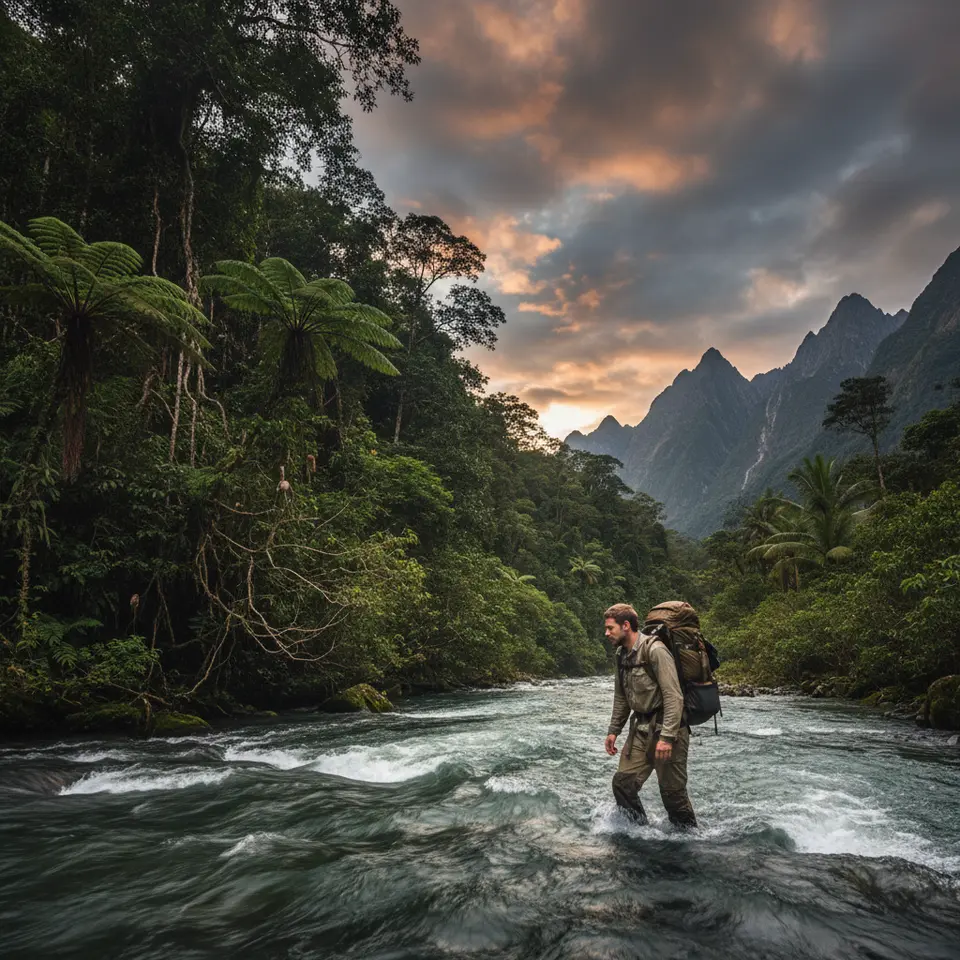
Straying from well-trodden paths is more than a physical act; it’s an invitation to reconnect with nature’s raw rhythms. When you venture deep into remote terrains, the hum of cities fades, replaced by rustling leaves, rushing rivers, and the call of wild inhabitants. Such experiences foster resilience, as hikers navigate unpredictable weather, variable terrain, and logistical challenges. Each summit reached or river forded builds confidence, reinforcing the realization that boundaries exist primarily in the mind.
Moreover, choosing lesser-known adventure travel destinations supports sustainable tourism initiatives that uplift local economies. By distributing visitor impact across understudied regions, you ease pressure on overcrowded attractions and help preserve fragile ecosystems. Engaging with indigenous communities offers cultural insights unavailable in guidebooks, whether you share stories around a campfire in Mongolia’s Altai Mountains or learn traditional navigation techniques from Arctic guides in Svalbard. Ultimately, the allure of untamed landscapes lies in their power to transform, teaching humility, adaptability, and reverence for Earth’s wonders.
Planning Your Expedition: Permits, Seasons, and Safety
Meticulous preparation is the cornerstone of a successful off-grid journey. First, investigate permit requirements and local regulations. Many remote parks and wildlife reserves require advance authorization. For example, U.S. destinations managed by the National Park Service enforce quotas on backcountry access to protect flora and fauna. Similarly, UNESCO World Heritage sites often mandate specialized guides—check unesco.org for details on registration and fees.
Next, align your itinerary with seasonal weather patterns. Wilderness areas can swing from blistering heat to subzero nights in a matter of hours. Shoulder seasons typically offer mild conditions and thinner crowds, but always review historical climate data. Share a detailed travel plan with a designated contact, outlining daily mileage, water sources, and emergency rendezvous points. Carry a personal locator beacon (PLB) or satellite messenger to summon assistance if you stray beyond cell coverage.
Training is equally vital: condition your body through hiking, swimming, or cycling to build endurance and strength. Enroll in a wilderness first-aid course to manage injuries when professional help may be days away. Lastly, secure comprehensive travel insurance that includes medical evacuation—untimely mishaps in remote adventure travel destinations can escalate swiftly without proper coverage.
Essential Gear for Memorable Off-Grid Adventures
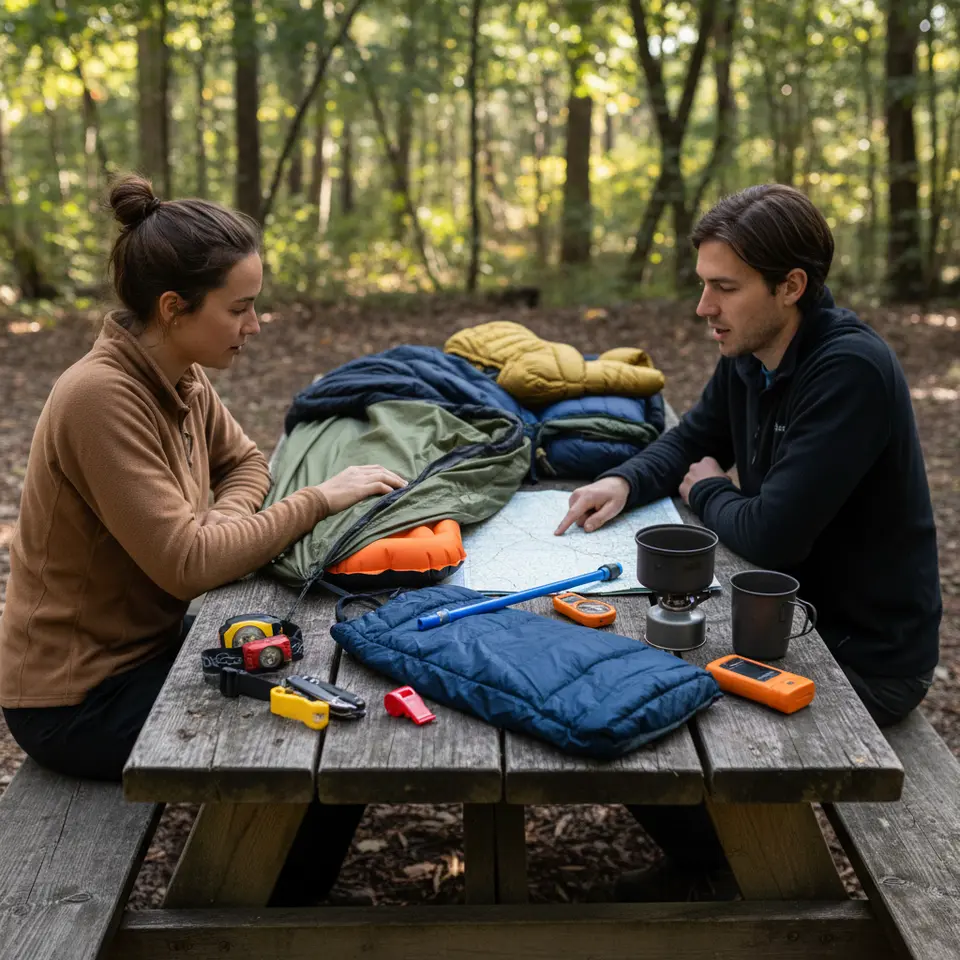
Packing light while ensuring safety demands careful selection of versatile equipment. Your shelter should balance weight and protection: an ultralight tent or hammock with an integrated rainfly can shield you from rain and insects. For insulation, a three-season sleeping bag rated to 20°F partnered with an inflatable pad maintains warmth without bulk.
When it comes to cooking, opt for a canister stove with minimal cookware and a reliable firestarter. Water treatment cannot be overlooked—carry a filter straw or purifier tablets to neutralize pathogens. For navigation, layer digital and analog methods: a GPS device or smartphone loaded with offline maps alongside a paper map and compass provides redundancy.
Clothing layers are your armor against shifting weather. A moisture-wicking base layer, insulated mid-layer, and waterproof outer shell tackle temperature swings. Don’t forget a wide-brimmed sun hat, gloves, and quick-drying socks. Safety accessories include a headlamp with extra batteries, a multi-tool, and a whistle. In regions with wildlife risks, bear spray or deterrents are essential, while insect-repellent garments or nets ward off biting pests. With this kit checklist, adventurers stay prepared without carrying unnecessary weight.
Top 10 Adventure Travel Destinations
From polar archipelagos to tropical rainforests, these ten sites represent the pinnacle of adventure travel destinations:
Torres del Paine, Chile
Patagonia’s jewel boasts granite peaks, glacial lakes, and winds that test your resolve. Tackle the multi-day “W” or “O” circuits to witness emerald valleys punctuated by guanacos and cascading waterfalls.
The Yukon Territory, Canada
Spanning boreal forests and Arctic tundra, the Yukon offers canoe routes on the legendary Yukon River, hiking in Kluane National Park, and winter nights illuminated by the aurora borealis.
Altai Mountains, Mongolia
Navigate grassy deltas between nomadic homesteads, summit 13,000-foot peaks, and participate in traditional eagle-hunting demonstrations beneath vast, unpolluted skies.
Svalbard Archipelago, Norway
Journey to the high Arctic, kayak past towering ice walls, and respect strict environmental laws designed to safeguard polar bears and fragile glacial habitats.
Daintree Rainforest, Australia
Explore one of the world’s oldest jungles via canopy walks, river safaris, and night hikes to encounter cassowaries, tree frogs, and prehistoric flora.
Rupin Pass Trek, India
Traverse Himalayan ladders, ford icy streams, and camp in alpine meadows before cresting at over 15,000 feet, rewarded by panoramic views of snow-clad peaks.
Lofoten Islands, Norway
Discover Arctic beaches framed by granite ridges, paddle amid sea eagles, and chase the Midnight Sun or Northern Lights along sheltered fjords.
Skeleton Coast, Namibia
Witness shipwrecks half-buried in shifting dunes, spot desert-adapted elephants, and camp under cobalt skies where sand meets the Atlantic in haunting harmony.
West Coast Trail, Canada
Hike 75 kilometers of coastal wilderness on Vancouver Island, crossing suspension bridges, climbing ladders on sea cliffs, and camping beside pounding surf.
Fiordland National Park, New Zealand
Trek legendary routes like Milford, Kepler, or Routeburn Tracks, passing through temperate rainforest, alpine saddles, and reflect upon mirror-like lakes.
Conservation and Safety: Protecting You and the Planet
Embracing adventure travel destinations carries responsibility. Adhere to Leave No Trace principles: pack out waste, use biodegradable soap at least 200 feet from watercourses, and avoid creating new trails. Maintain respectful distances from wildlife, secure food in bear-resistant containers where mandated, and never feed animals. Engage local guides and artisans to ensure economic benefits accrue to communities stewarding these landscapes. Monitor weather and trail advisories daily, and have contingency plans in place for closures or extreme conditions. Finally, carry a personal locator beacon (PLB) or satellite messenger to request help in emergencies. By blending cautious planning with eco-conscious habits, you safeguard both your journey and the pristine environments you explore.
FAQ
What permits and authorizations do I need for off-grid adventures?
Permit requirements vary by country and protected area. Always check official park or reserve websites for backcountry quotas, guide mandates, and associated fees. Applying well in advance ensures your spot is secured.
How can I stay safe in remote terrain without cell coverage?
Carry a personal locator beacon (PLB) or satellite messenger to call for help in emergencies. Share a detailed itinerary with a trusted contact and undergo basic wilderness first-aid training prior to departure.
When is the best time to embark on these adventures?
Seasonal windows differ by destination: shoulder seasons often offer milder weather and fewer crowds, but always consult historical climate data and local updates before finalizing your plans.
Conclusion
Embarking on wild expeditions transforms travel into an act of personal growth and environmental stewardship. Today, adventure travel destinations offer more than adrenaline—they invite introspection, resilience, and cross-cultural connection. By prioritizing meticulous planning, packing essential gear, and championing sustainable practices, you’ll not only conquer rugged terrain but also nurture the ecosystems that inspire you. This year (2026), heed the call of remote fjords, mountain passes, and ancient forests; the world’s most exhilarating journeys await. Lace up your boots, chart your route, and embrace the untamed beauty that lies beyond the horizon.




Leave a Reply